Morocco builds dams and desalination plants, Spain "does nothing
To combat water scarcity, Morocco has implemented the National Water Plan 2020-2025, which provides for massive investments of around 383 billion dirhams (approximately 36 billion euros) dedicated to the construction of dams and desalination plants. Meanwhile, Spain stands out for its inaction.
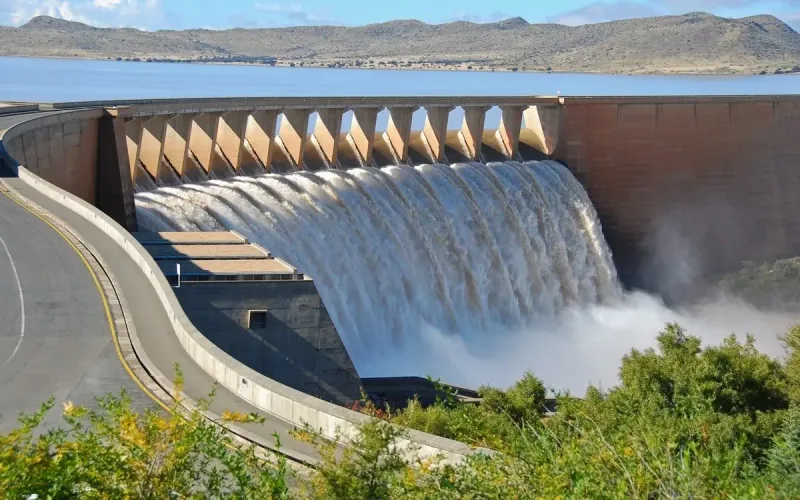
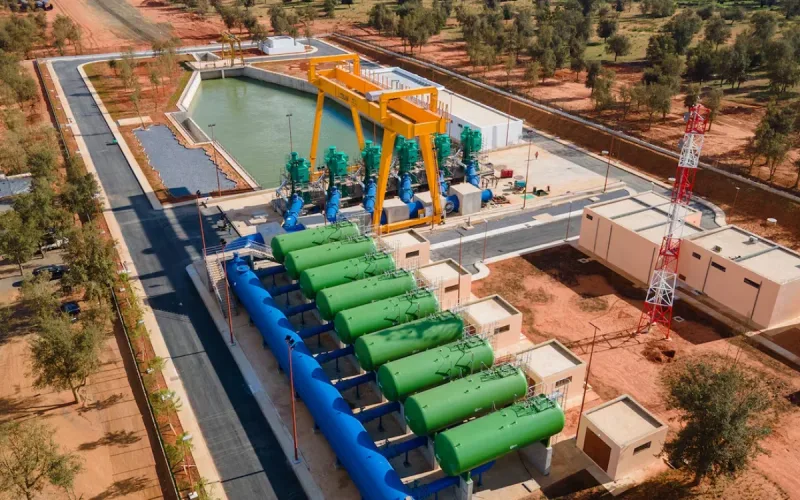
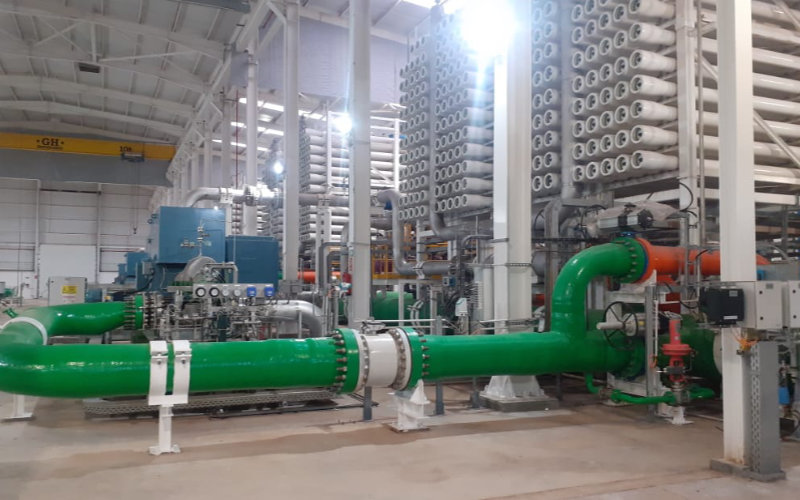
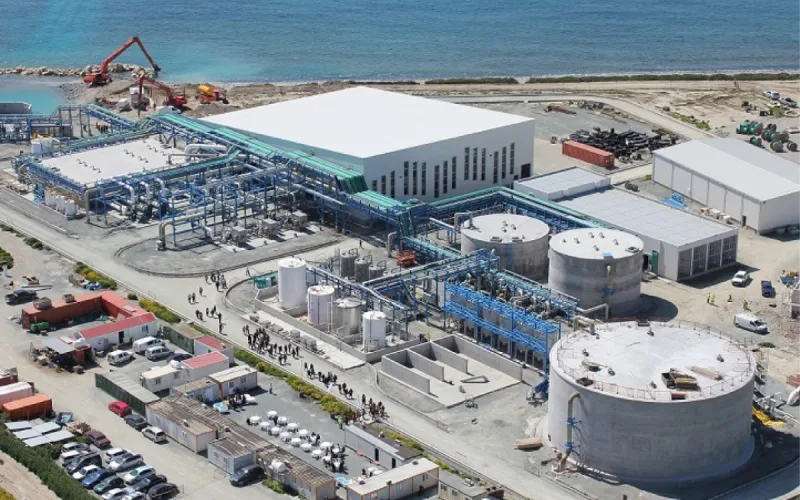
This plan, revised every ten years, provides for the construction of 16 large dams by 2027, as well as four other medium-sized dams and 92 small dams. The kingdom, which already has 17 seawater desalination plants, aims to build four more by 2027 and nine additional ones by 2030 to reach a total annual production of 1.7 million cubic meters. In addition to supplying the major cities, this plan aims to guarantee the water resources necessary for agriculture and livestock, by also building canals and diversions and developing information and monitoring systems, as well as integrated basin management.
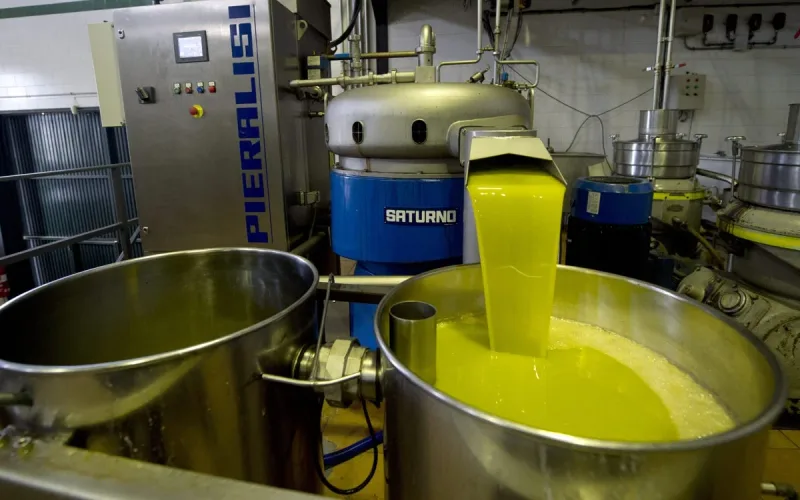
While "Morocco continues to build dams and desalination plants," Spain "does nothing," explains Antonio Luque, president of Dcoop, the largest agri-food cooperative in Spain and a global leader in oil production, also present in the wine, cereal and dried fruit sectors, to El Economista. "We need to be heard and a water plan put in place in Spain, otherwise we will lose our leadership position," warns the official.
Currently, Spain does not have a national water plan, and does not plan to implement a dam construction project. Since the suspension of the Ebro transfer in 2004 by the Zapatero government, desalination plants have been prioritized. A plan to build 32 plants has been promoted, of which 11 are already in service. In total, Spain already has 100 plants with a capacity of more than 10,000 cubic meters per day, which is not enough to meet the needs of farmers and ranchers. The Spanish government has planned an investment of 22.844 billion between 2022 and 2027, of which 40% will be dedicated to sanitation and purification, and 30% to irrigation.