
Madrid Refuses to Abandon Morocco, 11,000 Spanish Farmers Say They Are Paying the Price
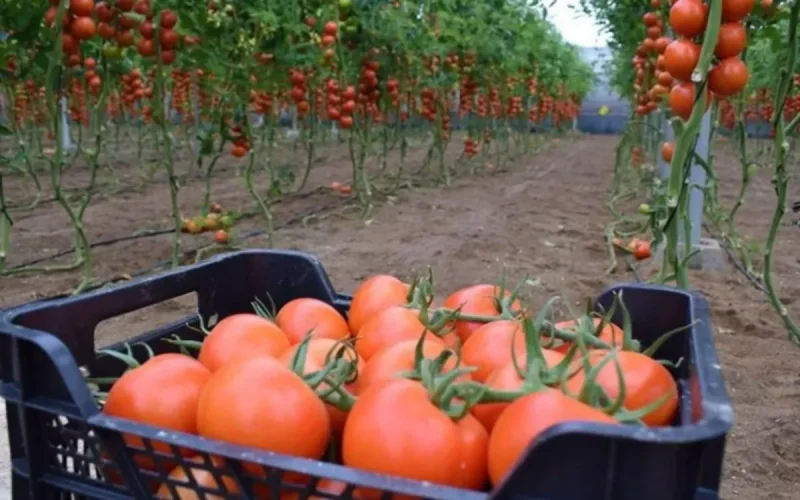
The Spanish government refuses to suspend the trade agreement with Morocco despite the crisis in Ceuta. An organization representing 11,000 farmers, in turn, accuses Madrid and Brussels of sacrificing European producers, particularly in the face of Moroccan tomatoes.
For Spanish Agriculture Minister Luis Planas, suspending the association agreement between the European Union and Morocco would be “a huge mistake” and “a genuine absurdity.” He views this relationship as strategic for Spain’s economic and security interests.
“Morocco is not going to change its geographical position,” he said on Wednesday, September 16, calling for the continuation of a “constructive and positive” relationship with Rabat. According to him, this cooperation is essential for managing migration issues, keeping the border open and arranging the return of people who do not meet the conditions for asylum, reports EFEAgro.
On Bladi.net : Brussels calculates what new rules could cost Moroccan tomatoes: 195,000 tonnes
This position has provoked the anger of Coexphal, the association that brings together more than 140 agricultural companies and 11,000 producers in southeastern Spain. Its director, Luis Miguel Fernández, accuses political leaders of using agriculture as “bargaining currency” in their relations with Morocco.
The organization does not reject the principle of an agreement with Rabat, but calls for identical conditions of competition. It claims that the quotas set for Moroccan tomatoes are not being respected and that the corresponding customs duties are not always collected.
Moroccan tomatoes at the heart of the conflict
Coexphal also denounces very different labor costs and asserts that Moroccan producers are not subject to the same phytosanitary and environmental constraints as their European competitors. These claims, reported by Europa Press, are disputed by the Spanish minister.
Luis Planas states that Moroccan products must comply with European standards to enter the Community market. He also emphasizes that Spain has a favorable trade balance with Morocco and that several Spanish sectors directly benefit from this relationship.
The minister specifically cites exporters of frozen sheep and beef, as well as fishermen from Cadiz and Huelva. He also wants the fishing protocol between Morocco and the European Union, currently suspended, to be renewed “as soon as possible.”
On Bladi.net : A Pesticide Reform Could Drive Moroccan Tomatoes Out of Europe
Producers in Almería nevertheless believe that European agriculture is paying the price of this strategy. They point to the gradual disappearance of green bean production during the winter and the sharp decline in the areas devoted to tomatoes. Having already denounced what they consider uncontrolled imports of Moroccan tomatoes, they now fear that cucumbers and zucchini will follow the same path.
Coexphal is therefore calling for the suspension of the current agreement and opposes any new trade concession to Morocco without more effective control mechanisms. Madrid, on the contrary, is choosing to preserve a partnership it considers essential, even if that means facing the anger of some of its own farmers.
Related Articles
-

20,000 people in Ceuta and Melilla to make it impossible for Spain to respond militarily
17 September 2026
-

Tarifa–Tangier surges: 18.8% more cars and a rise from 4th to 2nd place
17 September 2026
-

Spain delivers its new military vessel to Morocco… but cancels the ceremony
17 September 2026
-

Spain Had Lost This Species: 18 Birds Arrive from Morocco to Bring It Back
16 September 2026
-

Moroccan diesel record in Spain: deliveries collapse when Russia turns off the tap
16 September 2026