
Atlas Lions: How Walid Regragui Put an End to the War of Clans
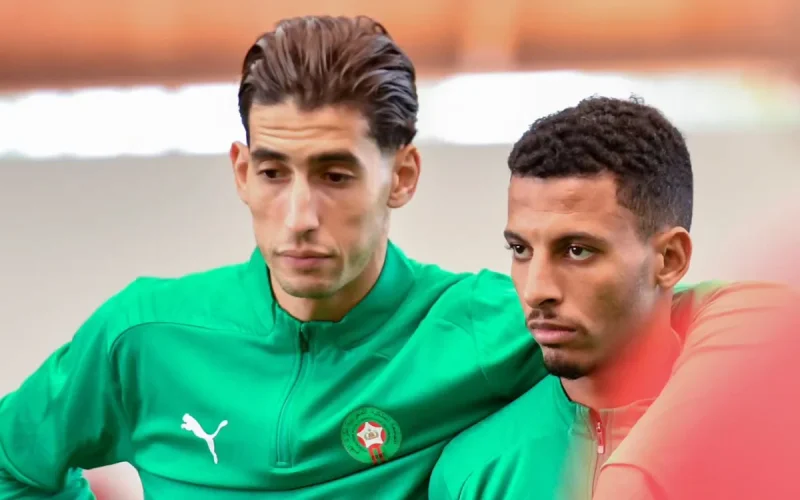
The image of a national team fractured by language belongs to the past. Long plagued by the formation of rival clans between "Dutch," "French," and "Locals," the locker room of the Atlas Lions has undergone a transformation. Under the leadership of Walid Regragui, the diversity of origins is no longer a hindrance but a strength, cemented by a hybrid communication that gives translators cold sweats.
It was the historical Achilles heel of the national team: hermetic groups forming according to the country of birth, explains RMC. Today, this era is over. Whether the players were born in Madrid (Hakimi, Diaz), the Netherlands (Mazraoui, Amrabat), Belgium (El Khannouss), France (Saïss, Ben Seghir) or Morocco (Aguerd, Ounahi), the dialogue is fluid.
"There is no more communication problem," says Saïd El Abadi, author of a recent work on African football. According to him, this regained unity is a "major element of Morocco’s success." Dual nationals no longer question their integration: they now speak with one voice, erasing the invisible borders that once crossed the gatherings.
Regragui, the polyglot conductor
The key to this harmony lies in the profile of Walid Regragui. A native of Essonne and a pure product of dual culture, the 50-year-old coach navigates effortlessly between languages. Darija, French, Spanish, English: he adapts his speech to his interlocutor to ensure that his tactical instructions and encouragement are perfectly received.
This linguistic gymnastics has become his trademark. In front of his group, he favors Darija, occasionally slipping in foreign terms for players less comfortable with the dialect. "It’s typically Moroccan to make a sentence with French, Arabic and English," notes expert Saïd El Abadi.
The journalists’ ordeal
If this method cements the locker room, it represents a real challenge for the press. Walid Regragui’s press conferences have become a high-wire act for the media. The coach juggles from one language to another, sometimes within the same sentence, to get his messages across or respond to criticism about the team’s play.
For translators and journalists, it’s a "nightmare," says Anas Bakhkhar of Medi1TV. "We never know what language he’s going to speak in. He can start in Darija and switch to French two words later." As a result, the media have given up on systematically translating him, broadcasting his raw comments, a faithful reflection of a complex and uninhibited Moroccan identity.
Related Articles
-
From 4 to 7 out of 10: Achraf Hakimi divides the French press after Rennes-PSG
24 August 2026
-
Rejected at medical, this Moroccan finds a club nine days later
23 August 2026
-
At 18, Ayyoub Bouaddi is set to become the most expensive Moroccan player in history
23 August 2026
-
Just Back After 430 Days Out, Chadi Riad Is Carried Off on a Stretcher
23 August 2026
-
Achraf Hakimi gave him confidence: Ali Maamar, the Moroccan rising at Anderlecht
23 August 2026