Liège Assize Court: A Moroccan claims to have a "black hole" after the murder of his wife
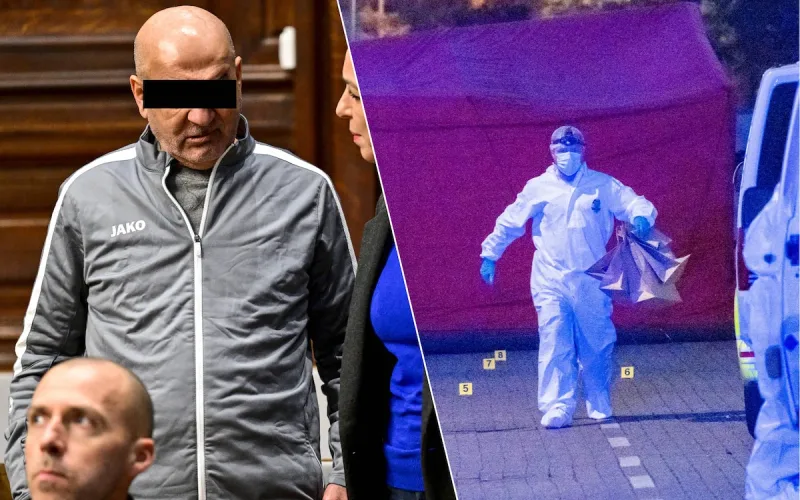
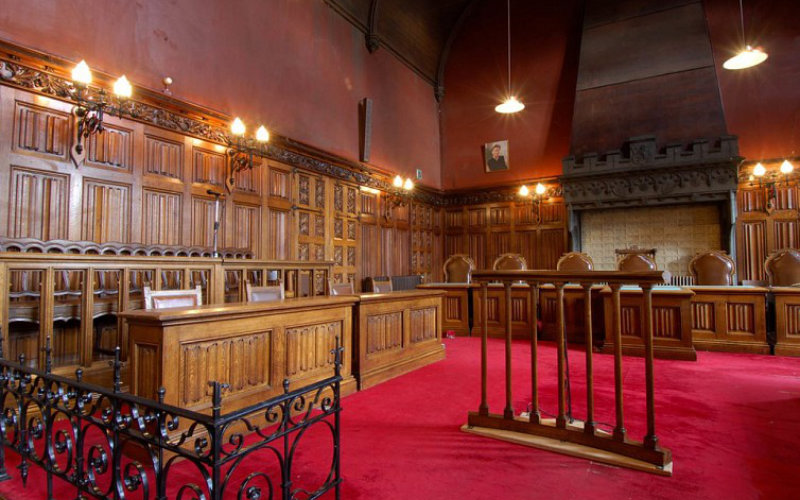
The trial of a 48-year-old Moroccan, accused of having killed his 25-year-old wife with 25 knife blows in December 2021, opened at the Liège Assize Court. The accused, Abrahim Oufrirh El Khoulati, made partial confessions, claiming to only remember a fraction of the violence that led to the near-decapitation of the victim.
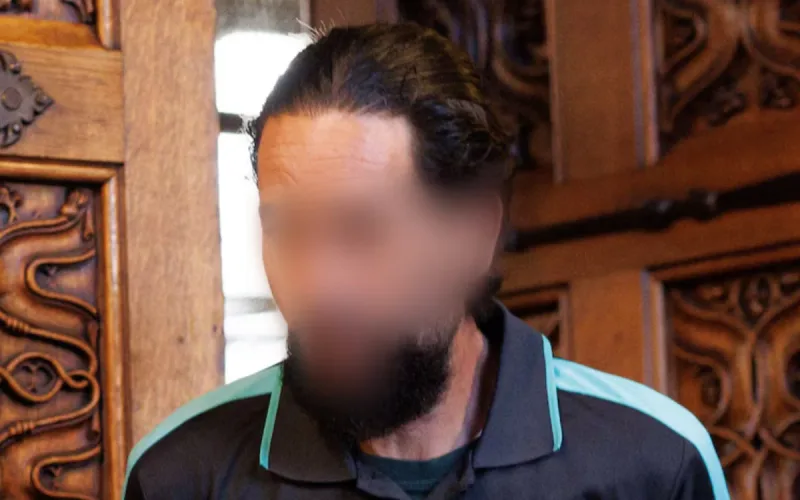
Born in Morocco and holding Spanish nationality, the accused retraced his journey, from his emigration to Palma de Mallorca in 1996 to his arrival in Belgium in 2011. He married Rkia Zak in 1997. The man, who alternated between unemployment and seasonal work, is described in the file as "selfish, miserly and jealous", traits that he contests, considering himself "normal".
He also denied having belittled his wife and daughters or having forced them to stay at home, facts that are nevertheless noted in the investigation. The accused had already been sentenced to 12 months in prison for assault and death threats in 2019 and 2020. He had in particular threatened his wife to kill her in the cellar, an act that he minimized in court by declaring: "It was to calm her down".
A "black hole" on the day of the murder
To explain the events that occurred on December 26, 2021, Abrahim Oufrirh El Khoulati invoked the consumption of alcohol and cannabis. An argument would have broken out when his wife reproached him for having taken a second wife during a stay in Morocco.
"I got angry. There were insults, she pushed me," he claimed. "I took a knife used to slaughter the sheep during the Feast of Sacrifice. I didn’t know what I was doing. I had a black hole. I realized it when I saw my wife on the ground."
The accused claims to only remember three knife blows, a version that does not correspond to the findings of the forensic doctors nor to the explanations provided during the reconstruction. He stated that he did not remember the specific injuries related to the decapitation, maintaining that he was "not in a normal state".