Latvia intercepts Moroccan mackerel with histamine levels nearly eight times the limit
A batch of frozen mackerel exported from Morocco has been intercepted by Latvian health authorities. Tests found histamine levels of up to 1,518 mg per kilo, nearly eight times the maximum limit applied during the inspection. A European alert was issued on 2 November.
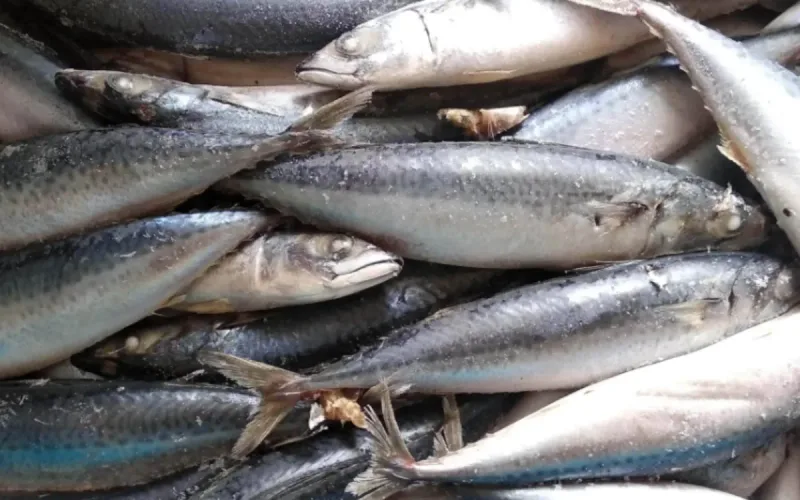
Latvia’s Food and Veterinary Service (PVD) detected abnormally high histamine levels in frozen white mackerel of the species Scomber colias, originating from Morocco. According to the official test results, three samples showed levels of 1,518, 869 and 219 mg/kg, against a regulatory limit of 200 mg/kg applied by the Latvian authorities.
On Bladi.net : Spain Destroys Moroccan Surimi in Third Food Safety Alert in Nine Days
The difference is particularly pronounced in the first sample, with a concentration 7.59 times the permitted limit. The second exceeds the limit by more than four times. Veterinary services immediately blocked the goods and submitted a report to the European Rapid Alert System for Food and Feed (RASFF), under reference 2026.9734.
The affected batch bears the number 230/2026, with a use-by date of 17 February 2028. Latvian authorities confirmed that the fish had been intercepted before being put on sale.
Histamine withstands cooking and freezing
Histamine forms in certain fish species, including mackerel, sardines and tuna, when storage conditions encourage bacterial activity. Once present in excessive amounts, this substance withstands both cooking and freezing.
Consuming it can cause food poisoning accompanied by redness, headaches, nausea and digestive problems. In October 2022, a similar alert concerned Moroccan sardines sold in Spain, after histamine was detected in canned smoked fish.
The new Latvian report comes after three other European alerts involving Moroccan fishery products in October. On 13 October, Spain destroyed a batch of cutlassfish containing anisakis parasites. Two days later, salmonella was detected in fishmeal intended for animal feed. On 21 October, a batch of Moroccan surimi was also rejected and then destroyed at the Spanish border because of a break in the cold chain.