
A Virus Detected in Sardines in South Africa Raises Concern as Far as Morocco
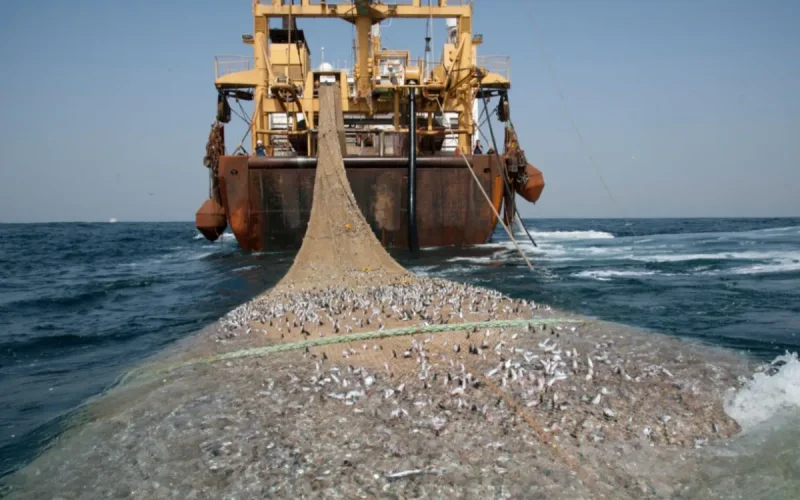
A virus previously known mainly in Australia has been detected in dead sardines in South Africa. As the die-offs spread, the episode is attracting attention in Morocco, where sardine stocks are already weakened. However, no cases have been detected there.
The alert began in early August along the South African coast. Thousands of dead or dying sardines were observed between Saldanha Bay and Gansbaai, with some floating several kilometres offshore. Authorities initially considered several possible causes, including toxic algae, a lack of oxygen and unusual ocean conditions.
Analyses subsequently revealed the presence of Pilchard herpesvirus (PHV). On 14 August, the South African Department of Forestry, Fisheries and the Environment confirmed that the virus’s genetic material had been found both in dead sardines and, at lower concentrations, in certain fish caught alive. However, the South African department stressed that the presence of the virus alone was not yet enough to explain all the deaths.
On Bladi.net : Sardines Move Away as Fuel Prices Soar: Moroccan Fishers Face a Double Trap
Investigations have since strengthened this hypothesis. All 15 of the first fish analysed by the South African Institute for Aquatic Biodiversity and Rhodes University tested positive for PHV. Ten sardines taken directly from the die-off event had high viral loads. According to a new official update published on 23 August, the identified sequence matches 99.7% of a gene from the virus already known in Australia.
The matter did not end there. On 27 August, new dead sardines were found around Gqeberha, in the south of the country. Strandings were also reported in Namibia, whose authorities are expected to send samples for analysis. Pretoria now considers PHV the main explanation for the episode observed in the Western Cape, although its role in the new die-offs still needs to be confirmed.
At this stage, no cases of PHV detected in Morocco
The South African episode is nevertheless beginning to raise questions in Morocco. Le Matin has notably examined the consequences that the emergence of such a pathogen could have for a Moroccan sector already facing a sharp decline in its catches.
But no available data currently makes it possible to assert that PHV has reached Moroccan waters. There is also an important difference between the populations concerned: the die-offs studied in South Africa affect the South African pilchard, Sardinops sagax, whereas the sardine caught off Morocco is mainly Sardina pilchardus, as recalled by the Food and Agriculture Organization of the United Nations (FAO).
It has therefore not been established that the virus detected in southern Africa could cause the same phenomenon in Moroccan sardines. Nevertheless, the spread of the virus is being monitored more closely since new die-offs and strandings appeared farther north of the area initially affected.
This vigilance comes against an already difficult backdrop. Sardine landings in Morocco fell from approximately 965,000 tonnes in 2022 to 525,000 tonnes in 2024, a decrease of close to 46%. Morocco has also suspended exports of frozen sardines since February in order to prioritize the domestic market.
On Bladi.net : Morocco Keeps Its Sardines, German Store Shelves Empty
The scarcity of the resource is already beginning to have effects abroad, particularly in Europe, where some retailers are experiencing supply difficulties. Any additional health pressure on sardine populations would therefore be subject to particularly close monitoring.
Related Articles
-

Trump attacks Spain amid crisis with Morocco: “Zero control of its border”
6 September 2026
-

€23,107 in his account, the Netherlands deny him residence: court overturns decision
6 September 2026
-

Moroccan interns will be able to spend a year in the United Kingdom from 2027
6 September 2026
-

A paternity test costs him his residence permit, then 3,736 euros for the state
6 September 2026
-

He takes his Moroccan wife to a famous religious figure to save their marriage… she never returns
5 September 2026