King Felipe VI will visit Ceuta, “whether Morocco agrees or not”
Felipe VI and Letizia are due to visit Ceuta this year, according to the Spanish government. Madrid is considering informing Rabat as a matter of diplomatic courtesy, but rules out asking for its approval. Nineteen years after Juan Carlos I’s visit, the royal trip is reviving a sensitive issue between the two countries.

“Relatively soon”: that is the timeline put forward on Wednesday, September 23, by Spanish Foreign Minister José Manuel Albares. He says that the royal couple’s visit will take place in 2026, without giving a date. Pedro Sánchez had previously mentioned “a few weeks.”
Asked about Morocco’s position, Albares was categorical: Spain’s monarchs do not have to ask “anyone for authorization or permission” to visit Ceuta. Spain “neither discusses nor negotiates” matters relating to its sovereignty, he said on Cadena SER, in remarks reported by Europa Press.
On Bladi.net : Felipe VI wants to visit Ceuta, nineteen years after Mohammed VI’s anger
The minister is not ruling out a prior exchange with Rabat, however. He says he maintains a “permanent dialogue” with Morocco and acknowledges that certain information could be conveyed to it as a matter of diplomatic courtesy. But Madrid will not subject either the visit itself or its arrangements to Moroccan approval.
In 2007, a royal visit sparked a crisis
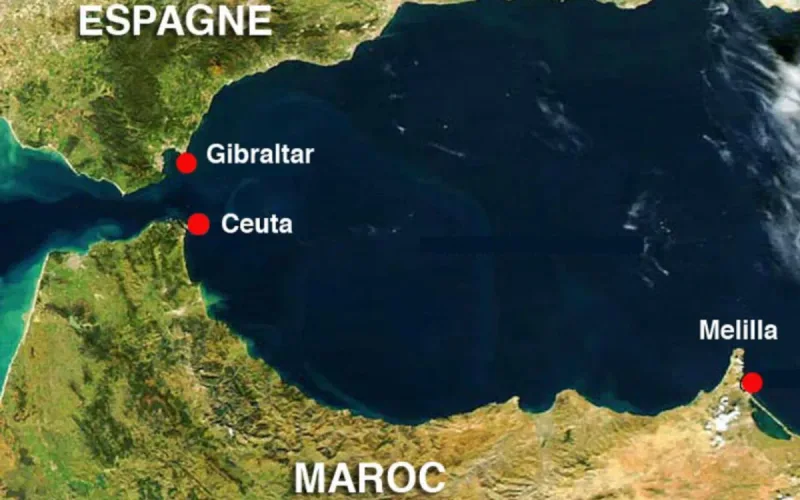
The precedent remains present in the memories of both capitals. In November 2007, Juan Carlos I and Queen Sofía visited Ceuta and then Melilla. Mohammed VI condemned the trip, and Morocco recalled its ambassador to Spain for consultations, as Europa Press reported at the time.
Felipe VI, who ascended to the throne in 2014, has never yet made an official visit to Ceuta. In August, the city’s president, Juan Jesús Vivas, had made known the king’s wish to visit. The Spanish government is now setting a deadline: before the end of the year.
On Bladi.net : Ceuta: Madrid wanted Felipe VI to call Mohammed VI, then backed down
The announcement comes after the massive influxes of migrants into Ceuta in late July and new exchanges between Rabat and Madrid over the status of the two cities. The visit will therefore have an obvious diplomatic significance. On one point, Albares has already set the Spanish position: Morocco may be informed, but it will not be consulted for authorization.