How Morocco Blocks the Regularization of Its Own Citizens in Spain
The process of extraordinary regularization of migrants in Spain faces a major obstacle: the difficulty of obtaining required documents from countries of origin. Moroccan nationals are among the most affected by these administrative delays, which directly compromise their access to the job market.

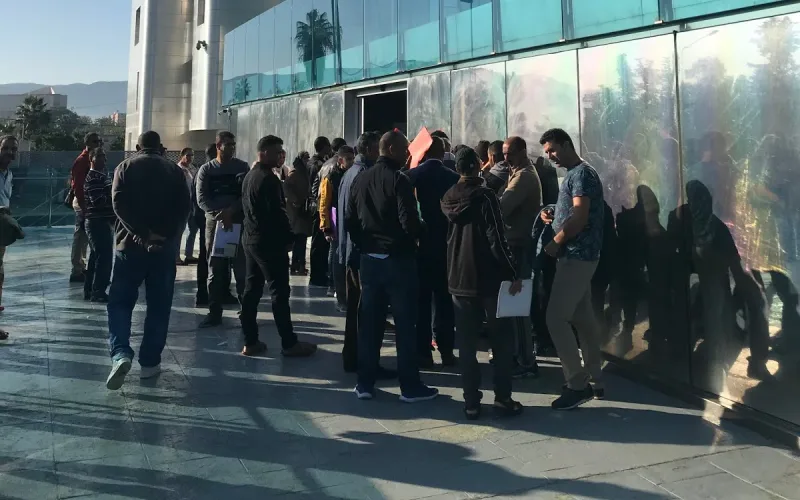
According to the specialized platform Extranjería Clara, whose statements are relayed by the Europa Press news agency, obtaining key documents such as criminal records or official certificates strongly conditions the progress of applications. For applicants from Morocco, as well as from Senegal or Nigeria, the organization notes "greater friction." The procedures still depend largely on in-person processes, family intermediation, or management through consulates. This lack of digitalization introduces numerous variables and considerably lengthens waiting times compared to countries with more agile online systems.
On Bladi.net : Moroccan Consulates in Spain Overwhelmed as Regularization Deadline Nears
Guillermo J. Valderrábano, founder of the platform, denounces a "real inequality in access to regularization" depending on country of origin. These delays are not mere bureaucratic inconveniences: they have direct and dramatic consequences on migrants’ daily lives. Companies, which have immediate workforce needs, cannot afford to wait weeks or months and end up canceling hiring processes. Workers then find themselves trapped in a vicious circle: without a residence permit, they cannot sign a contract, but documentary delays prevent them from obtaining this permit in time to work.
On Bladi.net : Not Spanish, nor Moroccan: these young people condemned to a life of "ghosts
At the national level, the economic stakes of these blockages are colossal. Extranjería Clara estimates that if one takes 500,000 potential regularizations linked to jobs paid at minimum wage (approximately 17,000 euros annually) as a baseline, the volume of economic activity paralyzed by these administrative bottlenecks exceeds 8.5 billion euros.