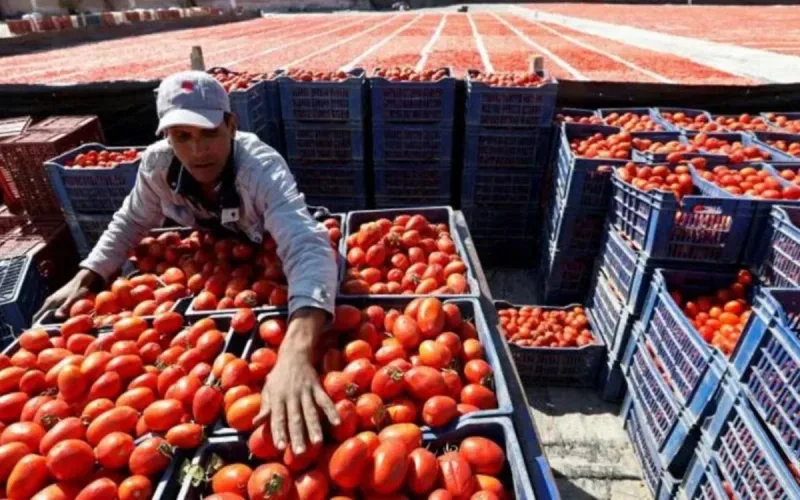
How Morocco is benefiting from the avian flu in Spain
The Spanish poultry sector is currently experiencing its worst health crisis in years, marked by an uncontrolled outbreak of avian flu. This critical situation has revived, on social networks and within the industry, the controversy surrounding the authorization granted by Brussels in June 2022 allowing the import of Moroccan poultry into the European Union, a measure perceived as a blow by local producers.
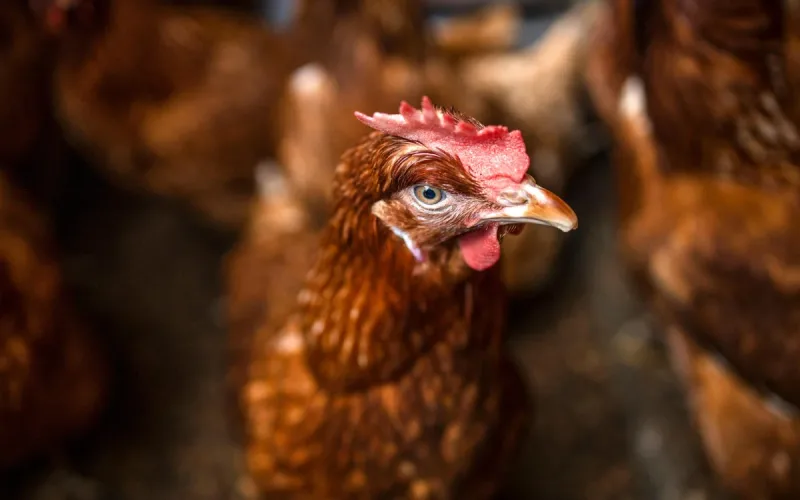
Spain has officially lost its status as a country free of this virus with the OIE, after more than 74,000 poultry were infected between January and October 2025, reports La Razon. While the cases were minimal at the beginning of the year, the situation suddenly deteriorated from the summer, forcing the government to activate the community eradication protocol. This procedure has led to the mass sanitary slaughter of all animals present on the affected farms, whether infected or healthy. In total, more than two and a half million poultry have died or been slaughtered during the year, causing a shortage of free-range chicken eggs in supermarkets and a sharp increase in consumer prices.
A strict import authorization unrelated to the current outbreak
Faced with the outrage caused by the coexistence of this local crisis and foreign imports, the European institutions have sought to clarify the regulatory framework. The European Commission specifies that Morocco is only authorized to export poultry meat subject to "D" sanitary treatment, a certified cooking or freezing process guaranteeing the absence of disease. Unlike other partners such as Brazil or the United States, Rabat is not on the list of countries authorized to export live poultry.
Furthermore, there is no causal link between the 2022 authorization and the current outbreak, as Spain had maintained its favorable health status in 2023 and 2024 while trade exchanges were already in place. The European Union continues to import chicken from Morocco and other third countries to meet demand, independently of the management of the Spanish infectious outbreak.