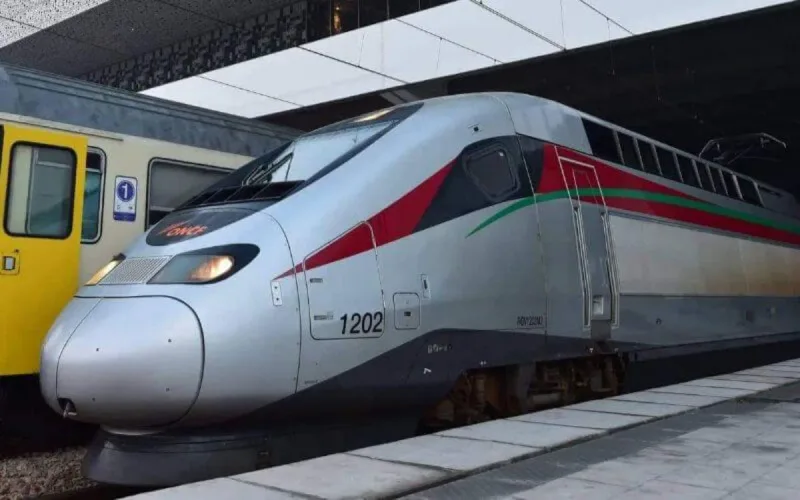
High-Speed Trains, RER, Extensions: Morocco Accelerates on Rail
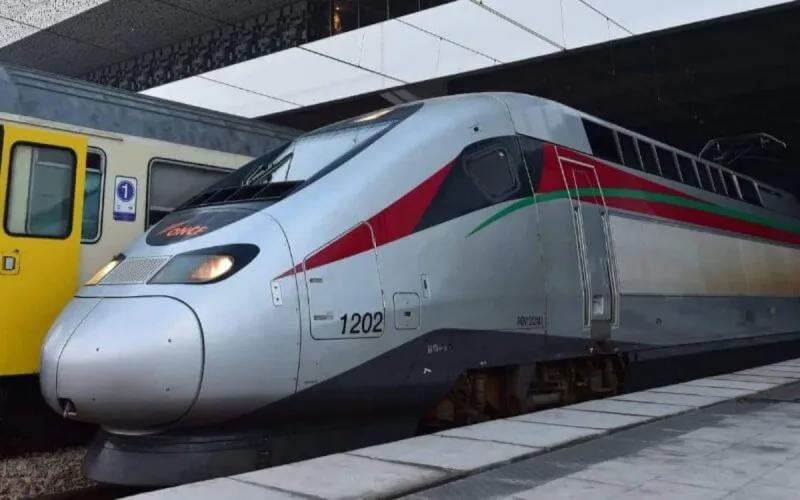
A decade after the commissioning of Al Boraq, the Kingdom is taking a pivotal step in restructuring its transportation. This new momentum is no longer limited to the simple operation of a prestigious line, but outlines a comprehensive strategy aimed at profoundly transforming the movement of people and goods across the country.
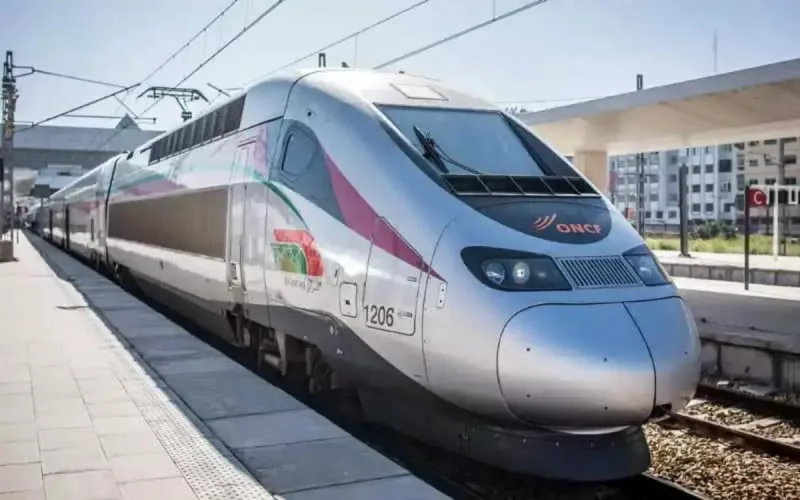
The priority ambition is the extension of the high-speed line to the south, explains Finances News Hebdo. By connecting Casablanca to Marrakech, the authorities intend to lift the saturation bottleneck that currently paralyzes the conventional network on this major axis. This colossal project, which mobilizes the entire national construction industry, foreshadows a railway backbone capable of reaching Agadir in the long term to unify the economic hubs of the north and south.
Parallel to these intercity connections, Morocco is betting on the deployment of Regional Express Networks (RER) to transform the daily lives of major cities. In Casablanca as well as in the Rabat-Salé-Mohammédia corridor, the commuter train becomes the pivot of a new transportation system. The central idea is to create genuine exchange nodes where the rail harmoniously meets the tramway and high-level service buses.
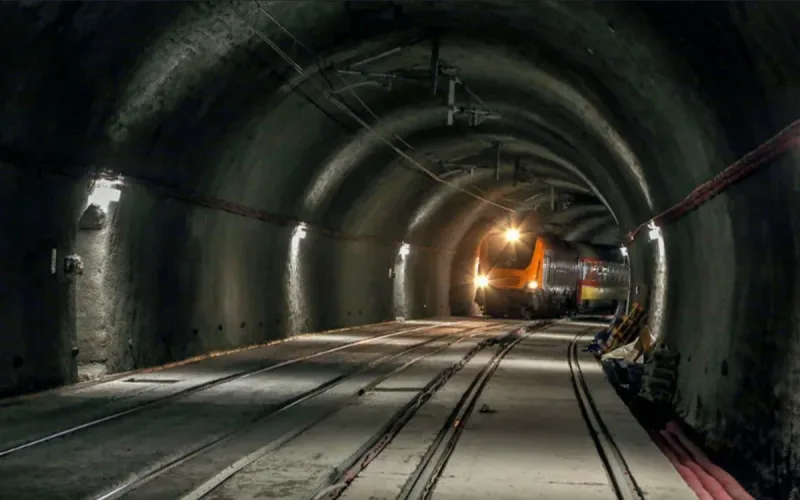
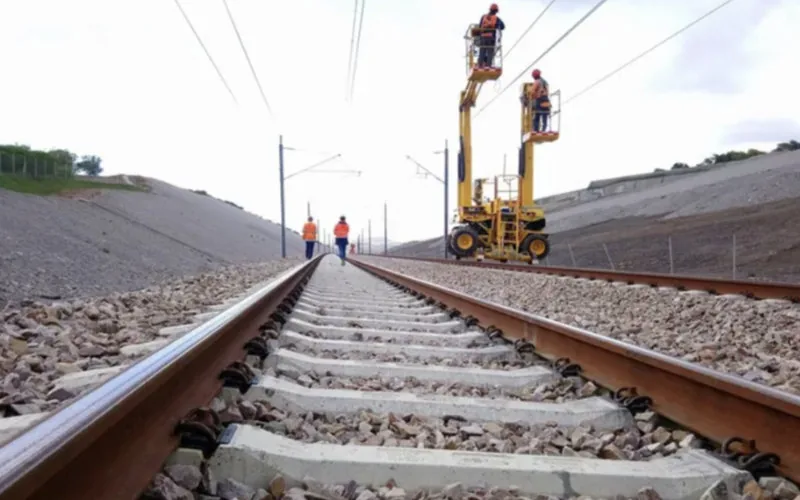
This modernization is based on a rigorous technical upgrade, including the electrification of the tracks and the adoption of European signaling standards. These devices make it possible to increase the frequency of trains while ensuring optimal safety, thus offering a concrete and ecological alternative to the use of private cars in rapidly growing urban centers.
A Controlled Financial and Temporal Strategy
To support these investments amounting to tens of billions of dirhams, the Kingdom has opted for a hybrid financing model. This financial engineering combines public budgetary resources, the support of multilateral institutions, and green instruments dedicated to the energy transition. This prudent approach allows the work to be sequenced by phases in order to maintain the continuity of the rail service throughout the construction period.
As the major global events of 2030 approach, this rail network appears to be a decisive lever for the country’s attractiveness. By bringing production centers closer to tourist areas, Morocco is not only building railways, but is consolidating its economic integration while meeting the sustainability and efficiency requirements that define the mobility of the future.