Morocco
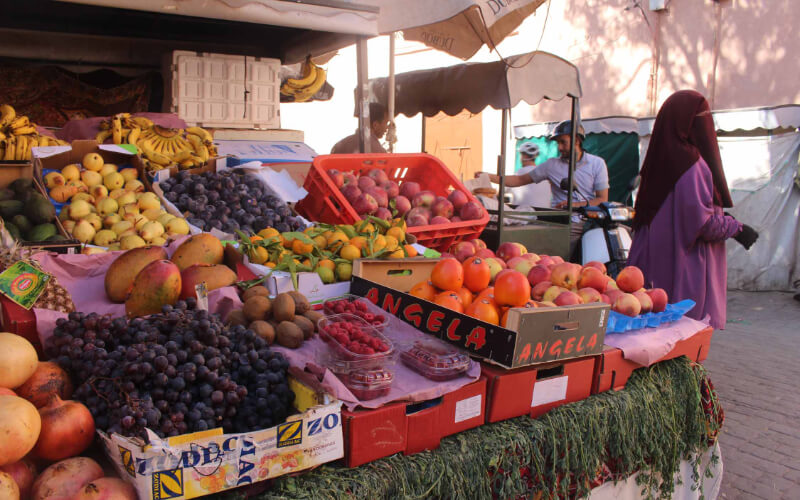
Morocco's Consumer Prices Jump 2.2% in July, Food Costs Lead Inflation Surge
The consumer price index (CPI) experienced an increase of 2.2% in July compared to the same month last year.

The consumer price index (CPI) experienced an increase of 2.2% in July compared to the same month last year.
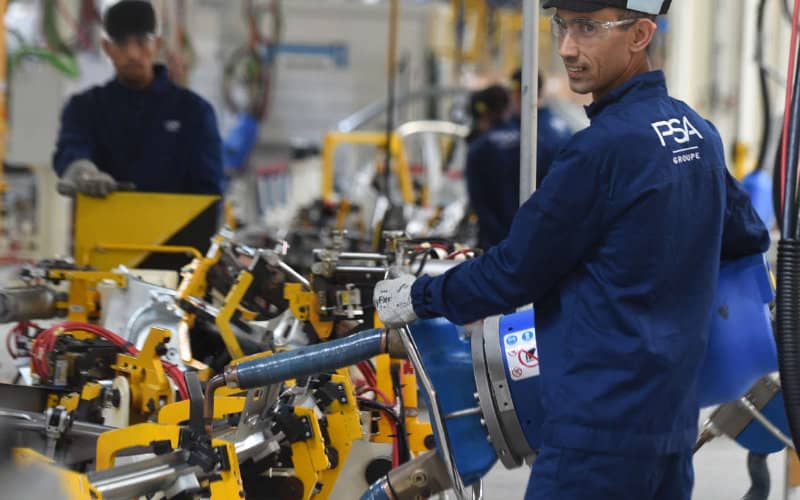
The High Commission for Planning (HCP) forecasts economic activity growth of 7.2% for the third quarter of 2021.
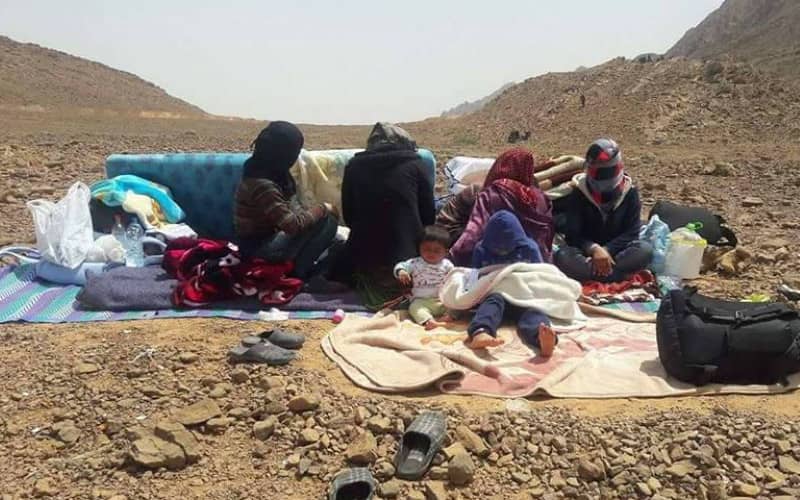
More than one refugee out of two, or 54.4%, is of Syrian origin, according to the High Commission for Planning (HCP) which conducted a survey on forced migration in Morocco in the first quarter.
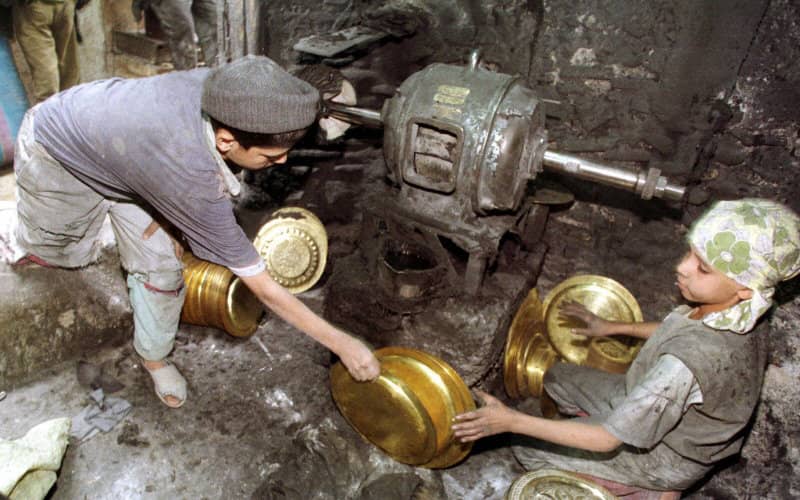
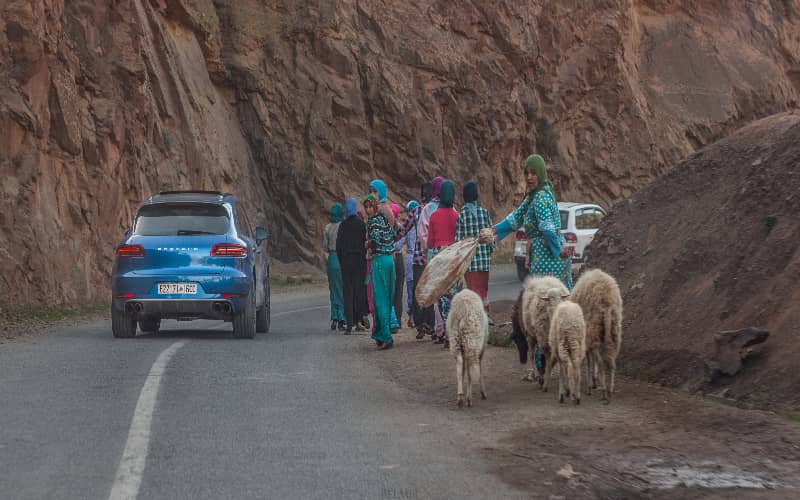
The phenomenon of child labor in Morocco, although it has decreased by 26.5% compared to 2019, is still well established in rural areas, affecting 113,000 households in Morocco, of which 85,000 are concentrated in rural areas, reveals the High Commission for Planning in its 2020 national employment survey.

The ravages of the health crisis related to the coronavirus continue to disrupt the Moroccan labor market. However, the players are showing optimism that will lead to a new order.
Wages and agricultural income are the main sources of household income in the kingdom. But the wage differential contributes to over 40% of the overall income inequalities measured by the Gini index.
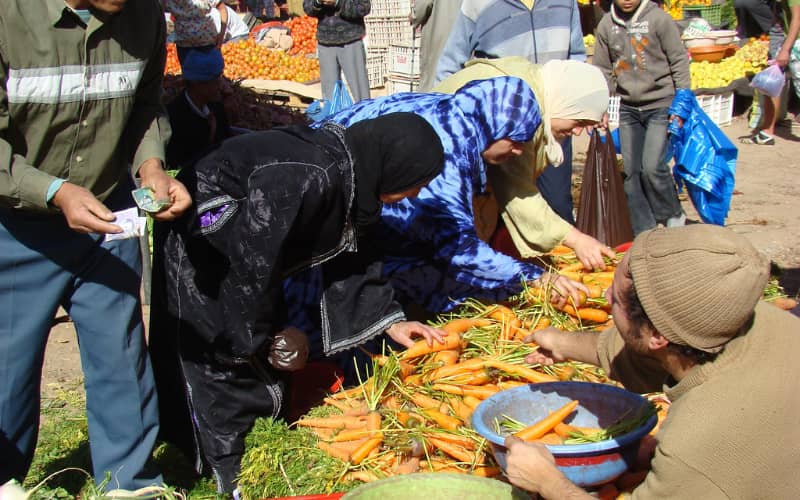
During the month of March 2021, the consumer price index (CPI) recorded an increase ranging from 0.3% to 0.5%. This increase was observed in the major cities of the Tanger-Tétouan-Al Hoceima region.
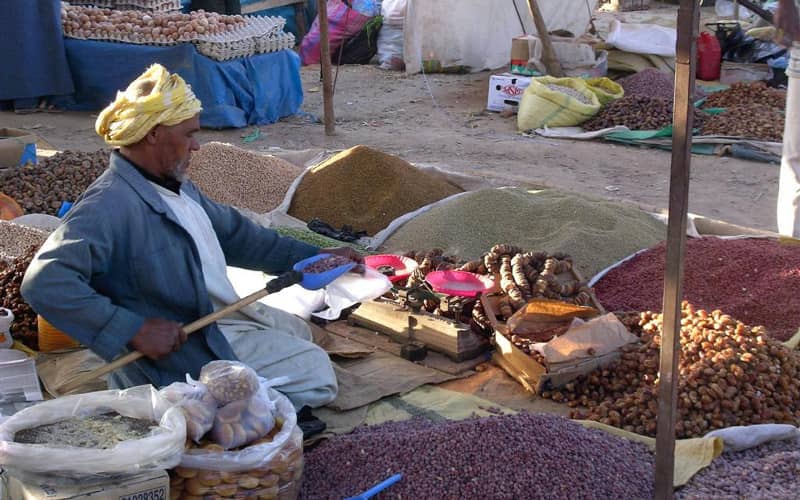
In Morocco, most households live with two or three, even four sources of income. This number is 2.7 in urban areas and 3.5 in rural areas.
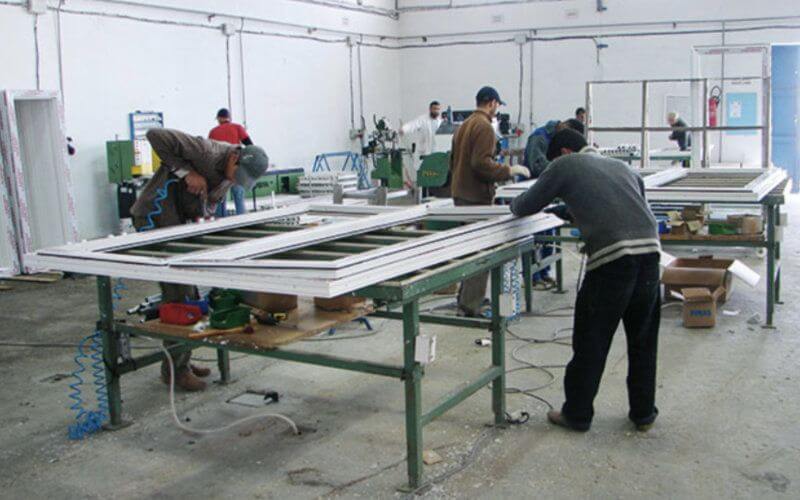
The unemployment rate in Morocco rose by two points in the first quarter of 2021 compared to the same period last year, from 10.5% to 12.5%, according to the High Commission for Planning (HCP) in an information note on the labor market situation in Q1-2021.
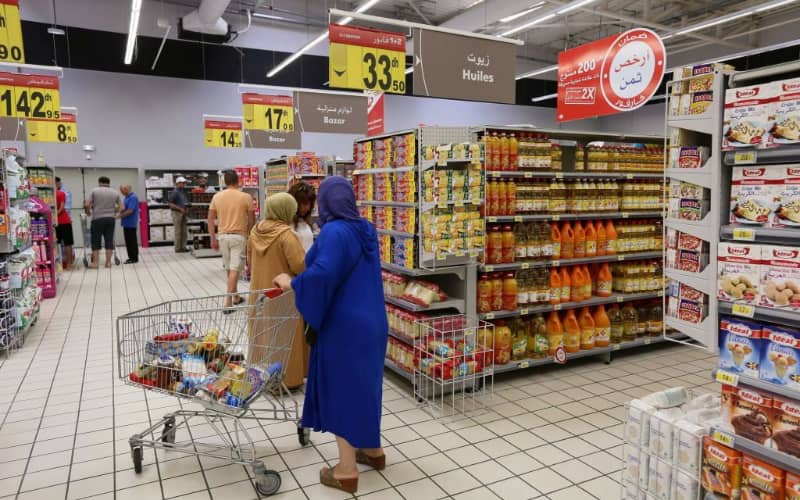
Urban households have a much higher income than rural households in Morocco. This is revealed by the latest survey by the High Commission for Planning (HCP) on "Household Incomes: Levels, Sources and Social Distribution".
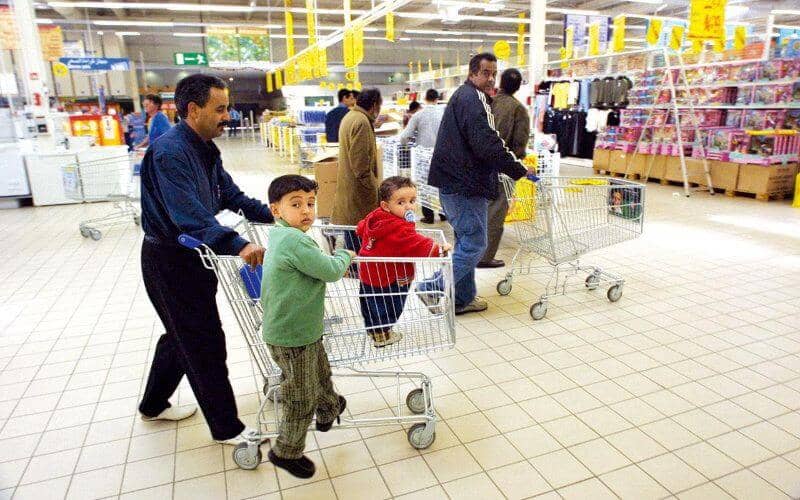
In 2019, the annual remuneration of each household in Morocco was 91,933 dirhams, or 7,661 dirhams per month. This income differs from an urban household to a rural household.
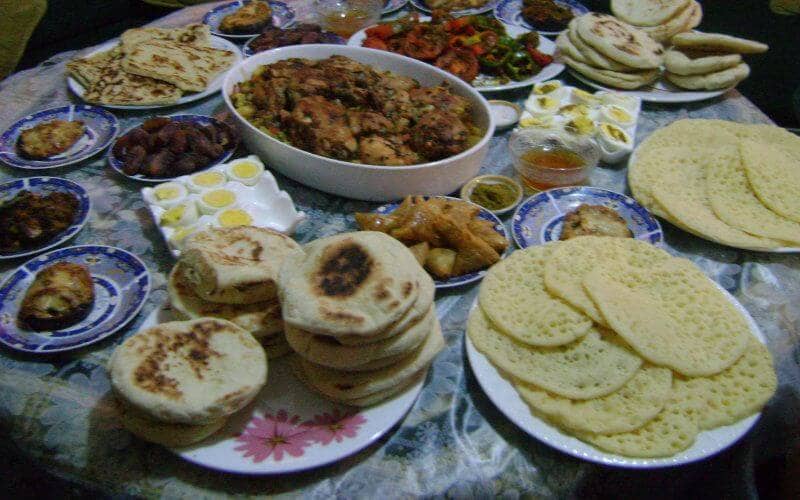
While Moroccans reduce their working hours by nearly a quarter during the month of Ramadan, their consumer spending, regardless of social class, increases by 16.3% per household. This is revealed by a survey on time use in the Kingdom.