What happened between Morocco and Ceuta is pushing Europe to change its rules
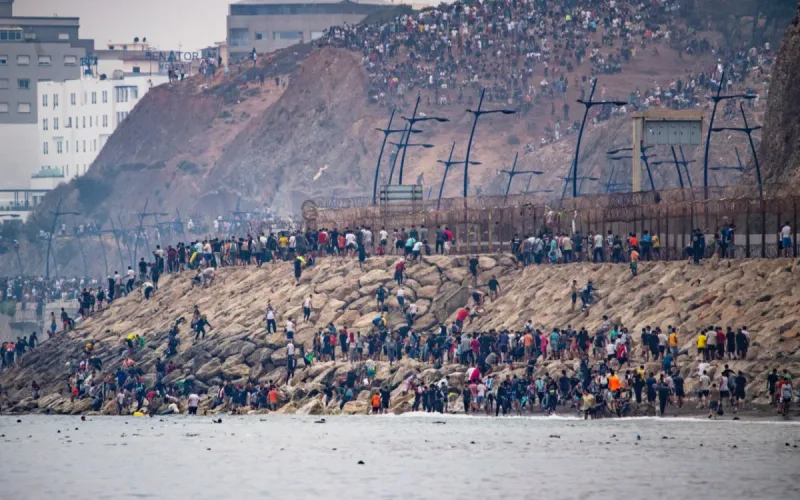
The mass crossings between Morocco and Ceuta this summer are accelerating the overhaul of European migration policy. Meeting in Munich, 18 ministers want to define an emergency regime that would make it possible to strengthen borders quickly and speed up returns.
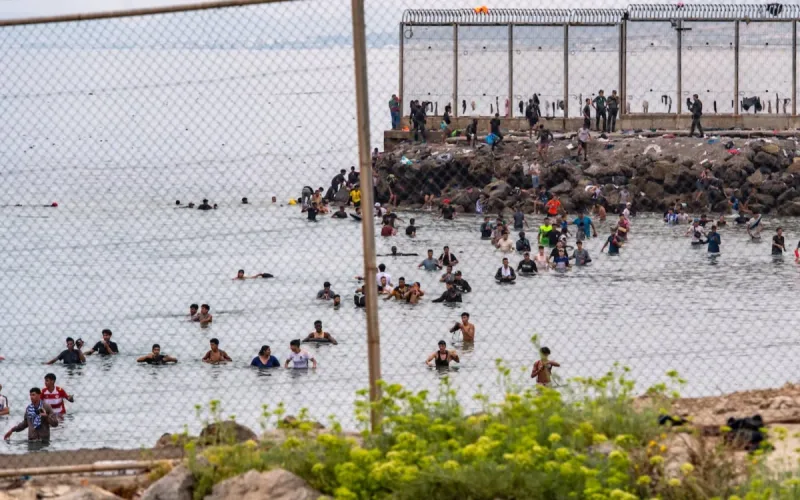
German Interior Minister Alexander Dobrindt brought together 17 of his European counterparts and European Commissioner for Migration Magnus Brunner on Saturday, September 26. He called for a “new European migration crisis mechanism,” reports the Associated Press.
On Bladi.net : The CNI had identified 2,000 people near Ceuta; 72,000 ultimately crossed the border
The proposed mechanism would begin by establishing common criteria for declaring an exceptional situation at an external border of the Union. Once these criteria were met, states could trigger a European response, mobilize additional resources more quickly and speed up the return of certain people.
Dobrindt also wants to give Frontex a greater role in carrying out these returns. The European agency could intervene directly when a member state faces mass crossings that exceed its usual capacity.
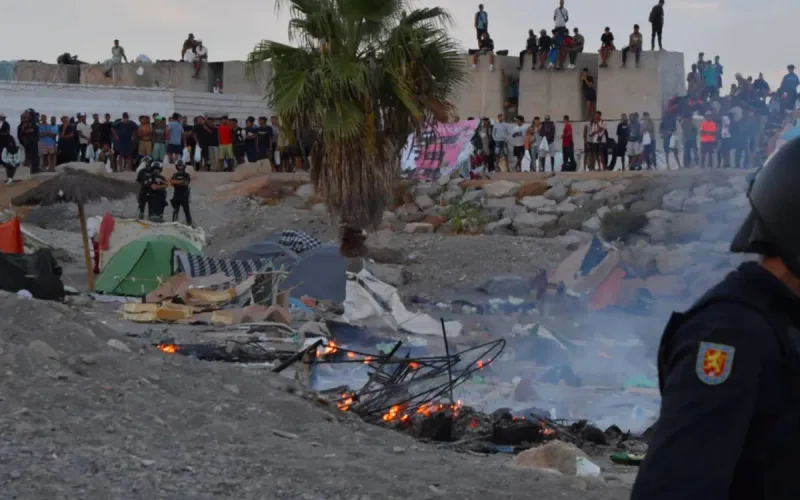
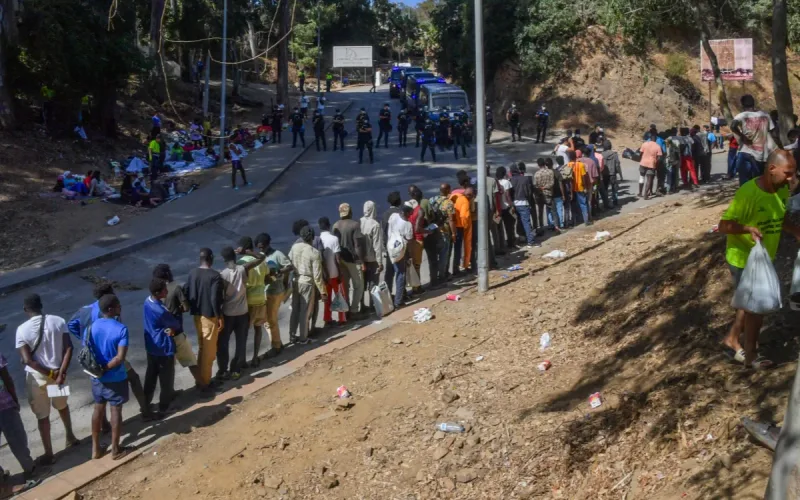
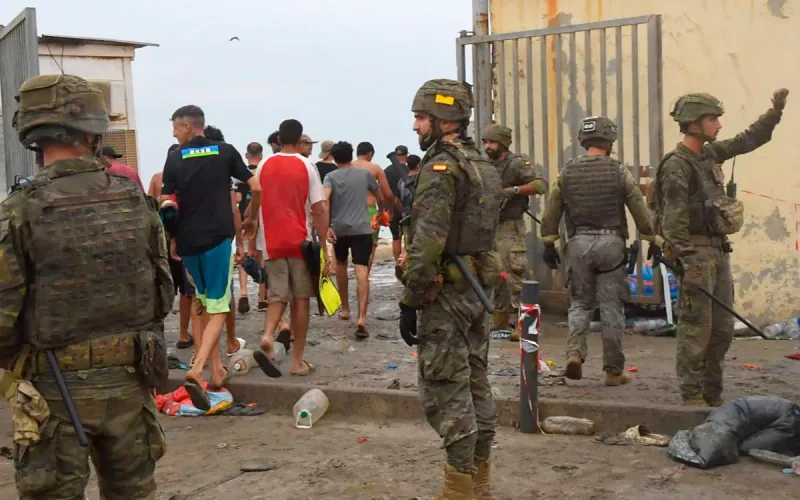
The German minister explicitly cited Ceuta. According to Spanish authorities, more than 72 000 people crossed the border from Morocco on July 30 and 31. Several thousand were still in the Spanish city several weeks after the crisis.
The Munich meeting follows the announcement made ten days earlier by Ursula von der Leyen. In her State of the Union address, the Commission President had declared that “the border of Ceuta is a European border” and promised a new emergency response framework, according to the text published by the European Commission.
Accelerated returns, but a battle over asylum
This framework could be activated only when strictly defined criteria were met. It would then authorize, for a limited period, derogations from standard procedures, particularly when mass population movements were organized or used as a weapon against a European state.
The scope of these derogations is already sparking a battle in Brussels. Euronews reports that several governments are considering temporarily suspending the registration of asylum applications in the most serious situations. MEPs and associations fear that this measure could pave the way for collective pushbacks.
The United Nations High Commissioner for Refugees stresses that even under intense migration pressure, states must allow access to the asylum procedure and respect the principle of non-refoulement. The Commission says its future mechanism will remain subject to fundamental rights, but has not yet presented its text.
Spain is also preparing its own emergency decree to speed up returns to Morocco. The European proposal could give a common dimension to measures that states have so far adopted separately.
On Bladi.net : 72,000 crossings into Sebta: Sánchez accuses Morocco of failing
Magnus Brunner points out that irregular arrivals in Europe have fallen by 55 % in two years. He now wants to focus efforts on departures: “We Europeans want to decide who can stay in Europe. Those who cannot must leave.”