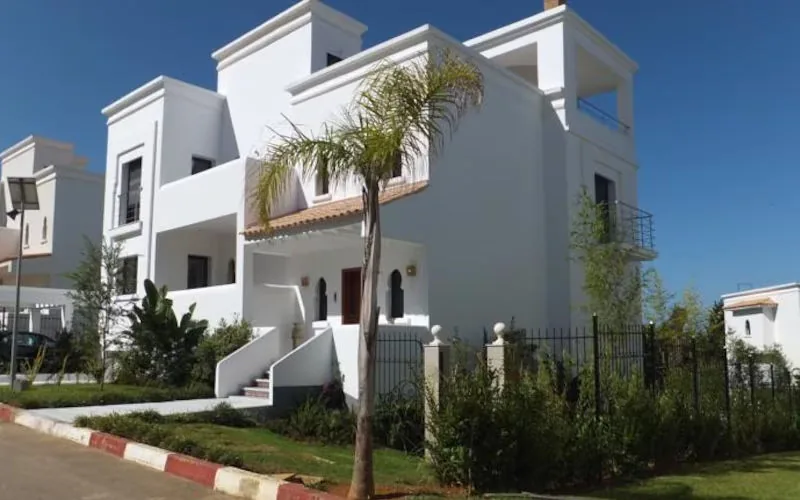
Morocco
Moroccan Expats Face Complex Tax Rates in Real Estate Investments Back Home
Acquiring real estate in Morocco is a lifetime project for some, particularly Moroccans residing abroad (MREs), whether for a secondary residence or an investment.

Acquiring real estate in Morocco is a lifetime project for some, particularly Moroccans residing abroad (MREs), whether for a secondary residence or an investment.
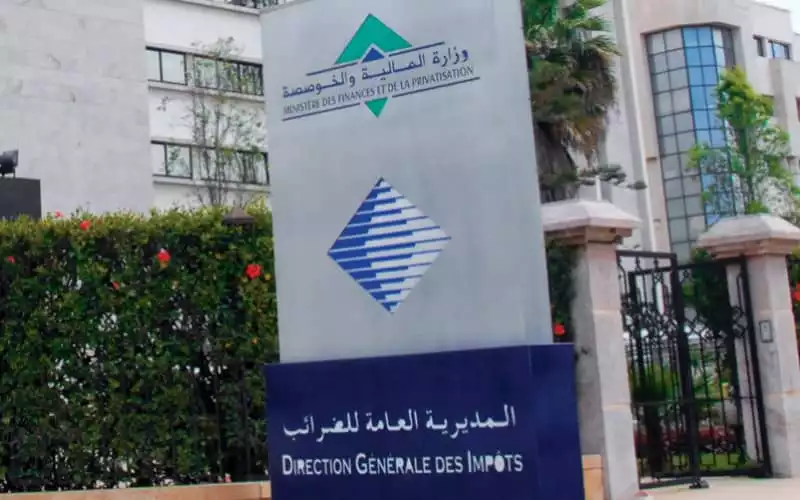
The General Tax Directorate (DGI) is now in charge of managing the housing tax (TH) and the municipal services tax (TSC). This structural change in local tax administration was officially announced and has been effective since June 12, 2025. It establishes the DGI as the sole point of contact for taxpayers regarding these two taxes.

The general tax department is conducting a vast operation targeting companies that are no longer active and have not submitted tax declarations, in some cases for many years.
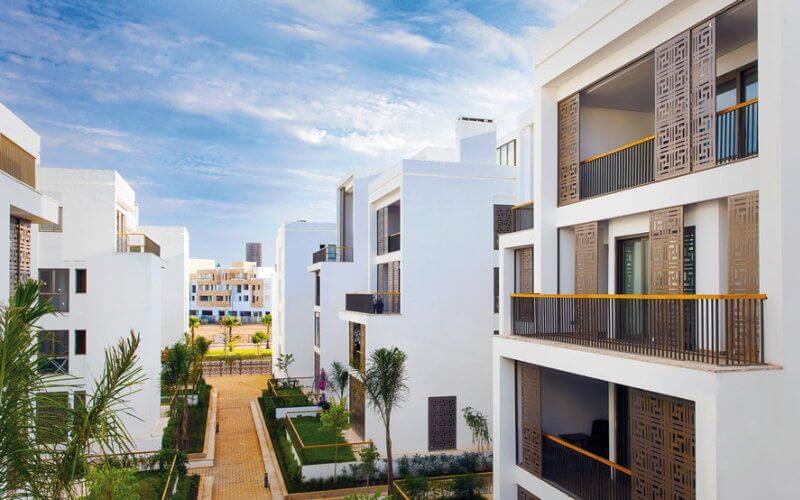
Real estate developers are accused of not declaring significant sums received from Moroccans Residing Abroad (MRE) for the purchase of apartments in Morocco.
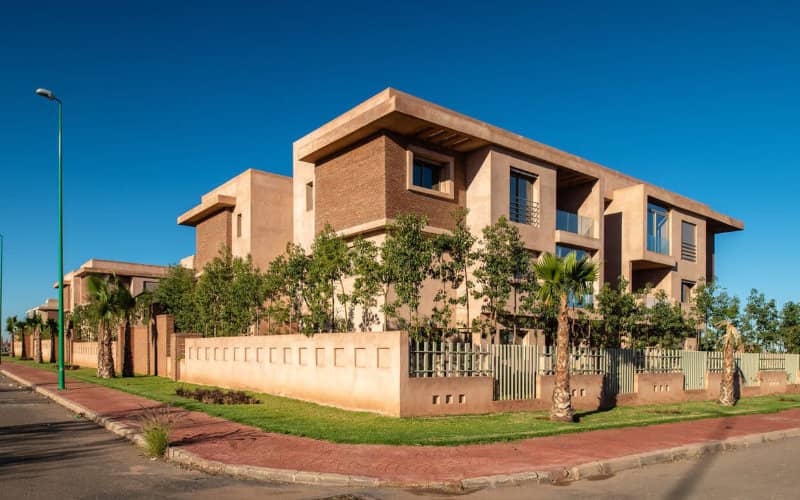
Although attractive in appearance, the model of housing associations and cooperatives poses a major problem: the lack of legal guarantees that undermines the security of households involved in these projects.

The Directorate General of Taxes (DGI) is tracking down fraudsters operating in garages specializing in the sale of luxury cars in the Casablanca-Settat and Tanger-Tétouan-Al Hoceïma regions.
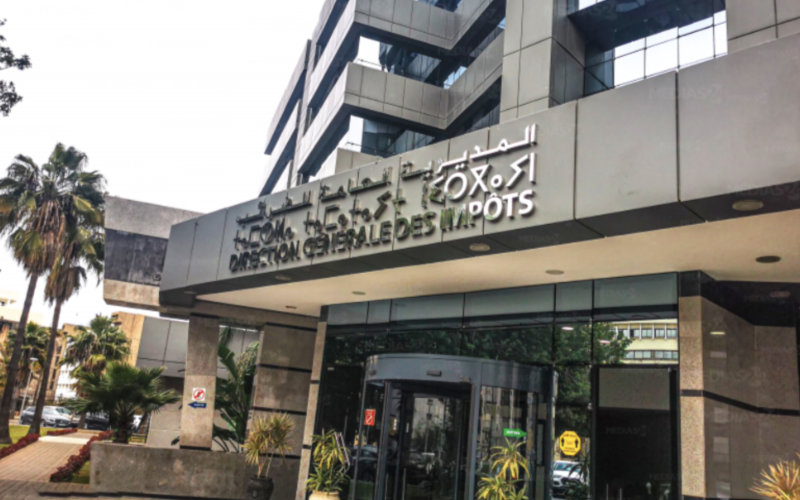
The proliferation of dubious company divestitures is raising the suspicions of the central control services of the Directorate General of Taxes (DGI).
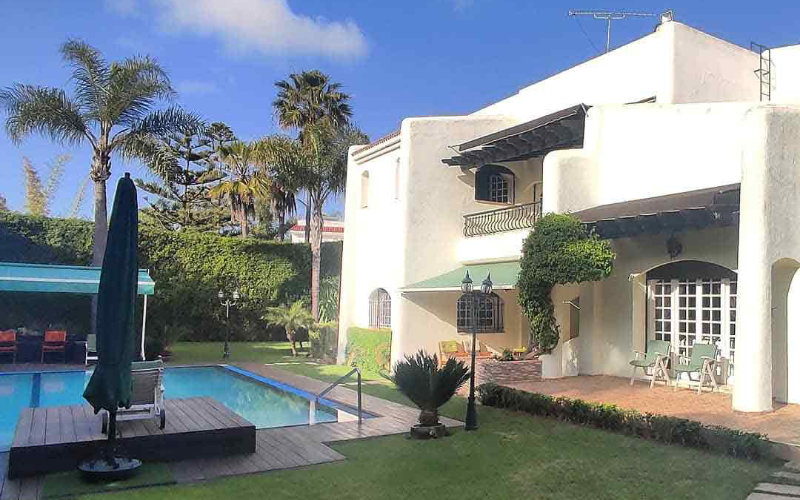
Morocco wants to reinstate the real estate reference. The new version aims to allow taxpayers to propose a value to the tax administration.

Moroccan doctors practicing in private clinics are suspected of tax evasion, in particular of not declaring part of their income.
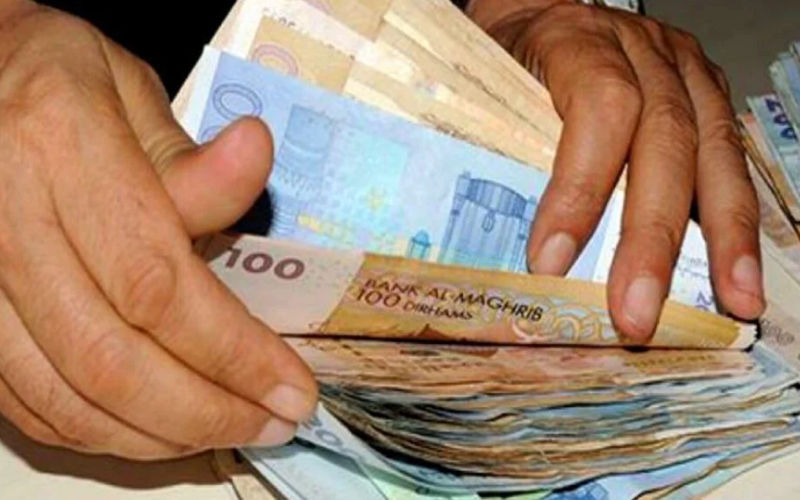
Companies that have suddenly decided to transfer their activities from the regions of Souss-Massa, Drâa-Tafilalet, the Oriental and Tanger-Tétouan-Al Hoceïma to the Rabat-Casablanca axis are in the sights of the Directorate General of Taxes (DGI).
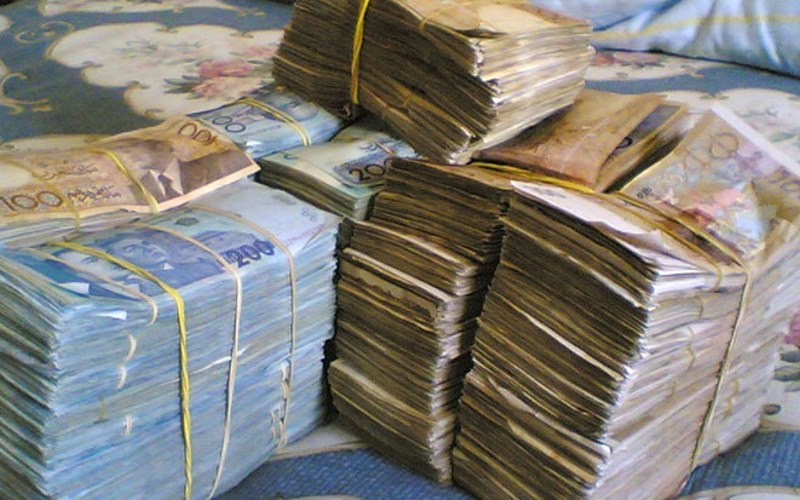
The fight against the informal economy remains the battle horse of the Directorate General of Taxes (DGI). In this sense, it has adopted a new strategy.
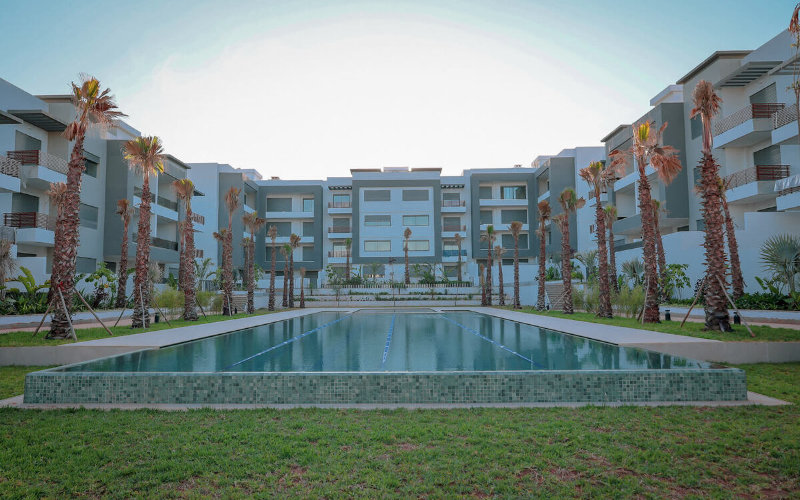
The regional control teams of the Directorate General of Taxes (DGI) are investigating the requirement made to clients by large real estate developers to pay in cash during commercial transactions. The inspectors visited these companies operating mainly in Casablanca and Marrakech.