France seeks workers but rejects a large share of Moroccans
France rejected around 40% of applications from Moroccan seasonal workers in 2024. The figure was provided by Paris and cited in a recent European Commission report on seasonal work in the Union.
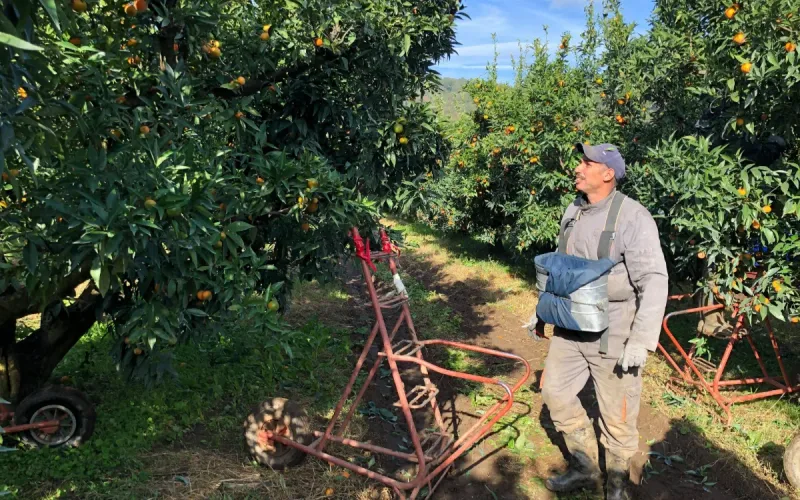
The figure appears almost discreetly in a footnote, but it is particularly high. For 2024, the French authorities reported a “rejection rate of around 40%” for seasonal workers from Morocco. Two reasons are given: fraud or a mismatch between candidates and the profiles sought.
On Bladi.net : France Wants Moroccan Seasonal Workers to Return Home
This information was provided by France during a workshop on labour migration in agriculture organized in December 2025 by the OECD and the Dutch government. It is now cited in the report published on 8 May by the European Commission, which assesses the implementation of the European directive on seasonal workers and focuses mainly on the 2019-2024 period.
Moroccans remain by far the leading group
This rejection rate contrasts with Morocco’s considerable weight in European seasonal work. In 2024, the member states issued 273 897 permits falling within the scope of this directive. With 76 579 permits, Moroccans obtained 28%, ahead of Bangladeshis (53 567) and Indians (39 137). Morocco is therefore, by far, the leading country of origin for seasonal workers covered by this scheme.
France itself is one of the main host countries. It issued 41 700 seasonal work permits in 2024, regardless of nationality, representing 15% of the European total. Only Italy issued more, with 146 099 permits. Spain followed France with 20 810.
On Bladi.net : Record Number of Moroccan Workers Granted EU Seasonal Permits in 2023
The report finally recalls that checks at the border must both prevent fraud and protect workers from abuse. At the same time, the Commission notes that reliance on foreign seasonal workers is surging in the Union: the number of permits rose from 115 726 in 2019 to 273 897 in 2024, an increase of more than 136% in five years.