Food Poisoning at Moroccan Wedding Sickens Over 150 Guests
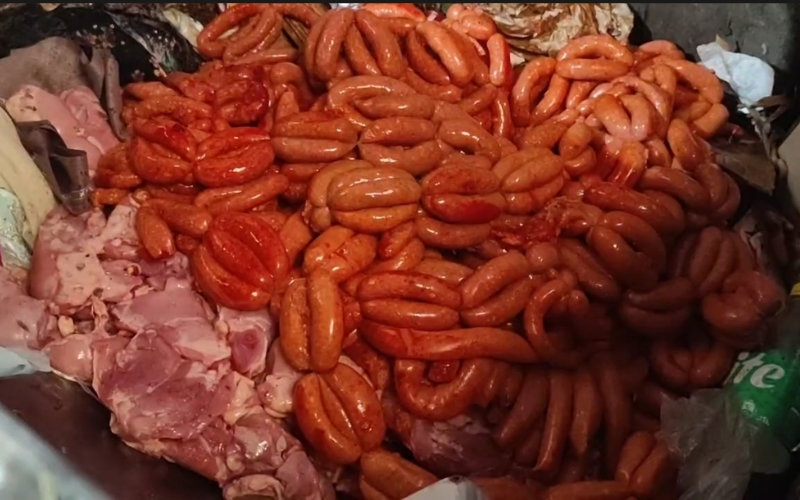
The toll of the food poisoning that occurred last Saturday during a wedding ceremony in Douar Al-Daijjat, in the commune of Moulay Abdellah in the province of El Jadida, has worsened.
The toll of the food poisoning that occurred last Saturday during a wedding ceremony in Douar Al-Daijjat, in the commune of Moulay Abdellah in the province of El Jadida, has worsened.

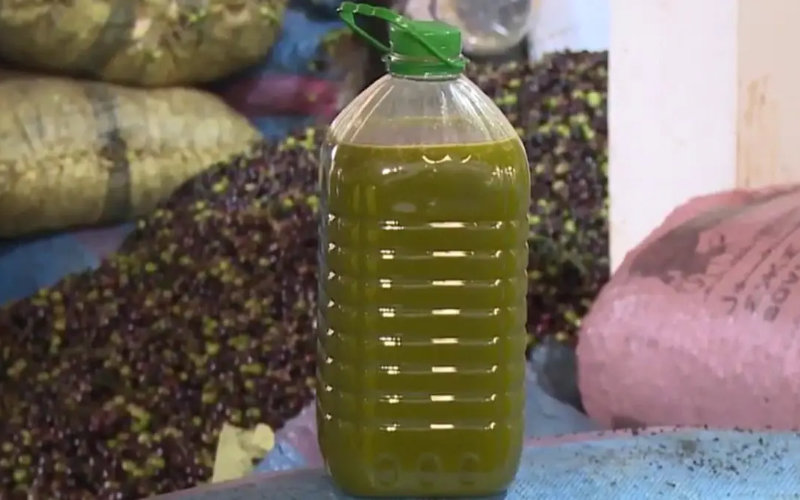
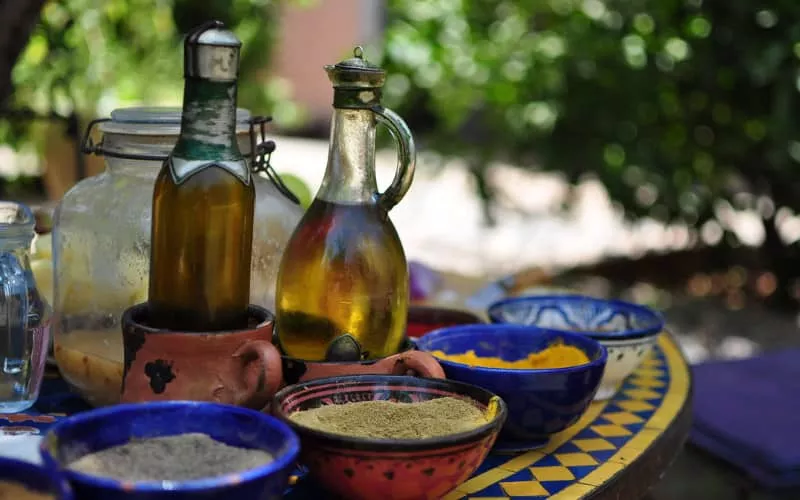
Faced with the drop in olive production and the sharp rise in the price of olive oil, Morocco is turning to Spain, Tunisia, Italy and France to import virgin and extra virgin olive oil.

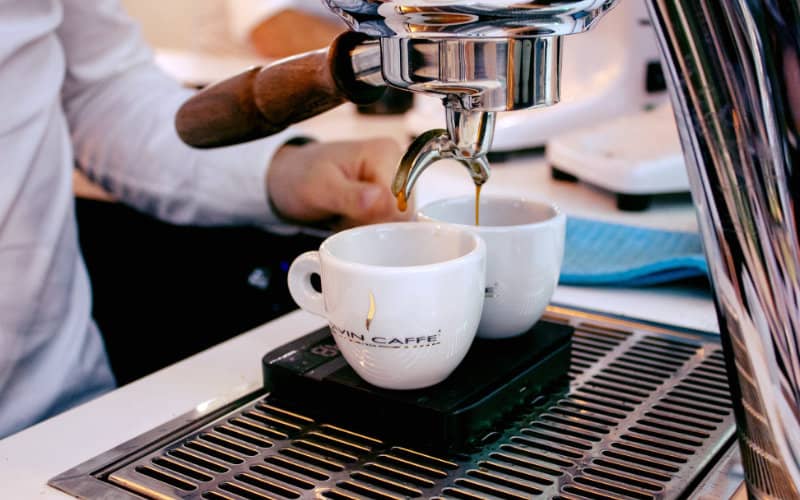
Cafes and restaurants in Morocco are facing a significant increase in the price of raw materials, particularly coffee, which has doubled in recent years. Despite this economic pressure, many establishments are keeping the prices of coffee-based drinks stable in order to preserve their customer base, impacted by the decline in purchasing power.

The elements of the Bouskoura brigade, in the Casablanca-Settat region, succeeded in dismantling a criminal gang specialized in the preparation of spoiled poultry meat. Several people were arrested, and tons of white meat were seized.

Morocco is facing an unprecedented olive oil crisis. The olive harvest expected for this year is experiencing a dizzying drop, a direct consequence of the years of drought that have plagued the country. And this will of course be reflected in the final price.

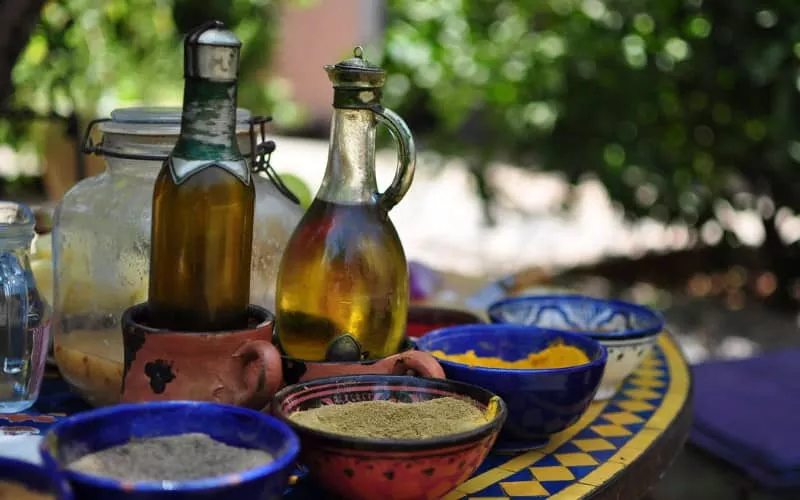
Olive oil, a pillar of Moroccan gastronomy, is now found at exorbitant prices. The fault lies with a persistent drought that, for the past five years, has weighed down national production and burdened household budgets.

Morocco is expected to receive a large quantity of wheat from Russia. The world’s leading exporter of soft wheat, the country of Vladimir Putin has dethroned France and has become the main supplier of the kingdom since August 2024.

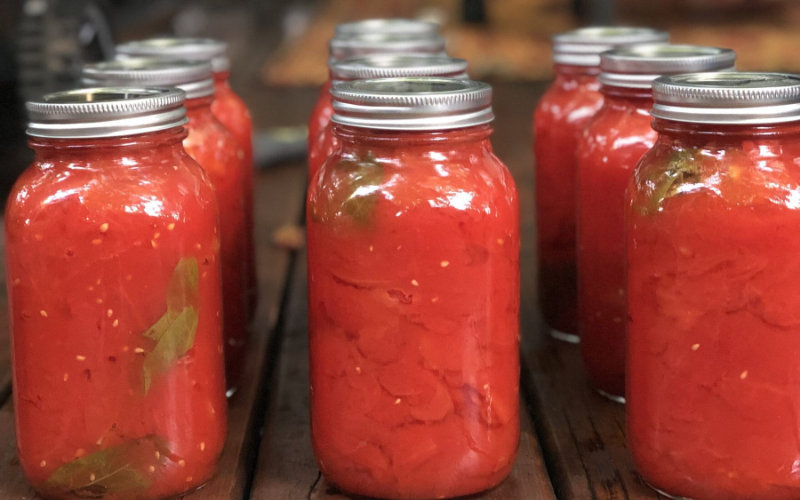
The Moroccan Ministry of Industry and Trade has decided to crack down on what it considers to be unfair trade practices by Egypt. After a thorough investigation, it plans to impose an anti-dumping duty of 29.93% on canned tomatoes imported from the land of the pharaohs.

The Casablanca authorities have launched a large-scale operation to combat the sale of meat unfit for consumption. In recent months, numerous cases of food poisoning have occurred in the economic capital.

The price of olive oil in Morocco is reaching new heights, approaching 120 dirhams per liter for the new harvest. This price surge is worrying consumer associations, who fear an increase in fraudulent practices and the formation of monopolies. Olive oil is, in fact, a basic food product in the Moroccan diet, and its current scarcity is fueling covetousness.

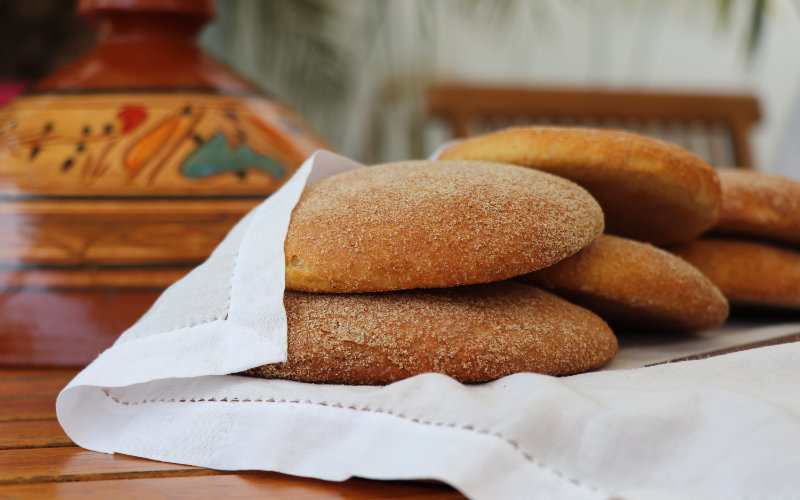
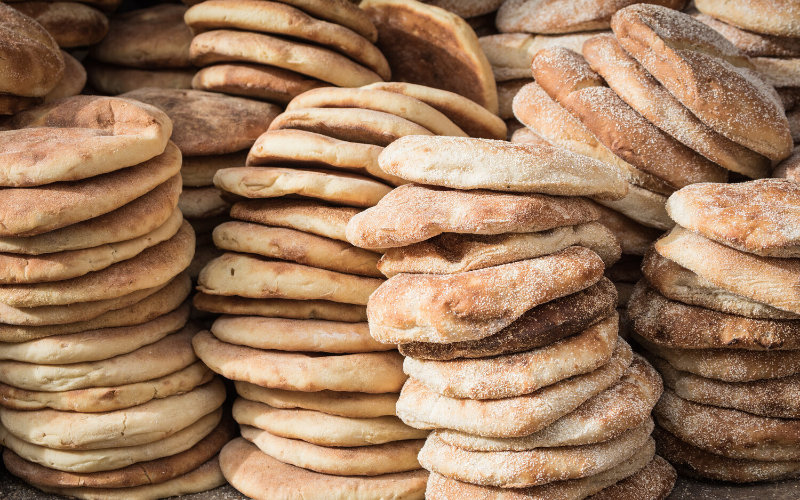
While the price of basic bread is maintained at 1.20 dirhams thanks to a subsidy from the Compensation Fund, Moroccan bakers are preparing to negotiate the future of bread with the Minister of Agriculture, Rural Development, Water and Forests.

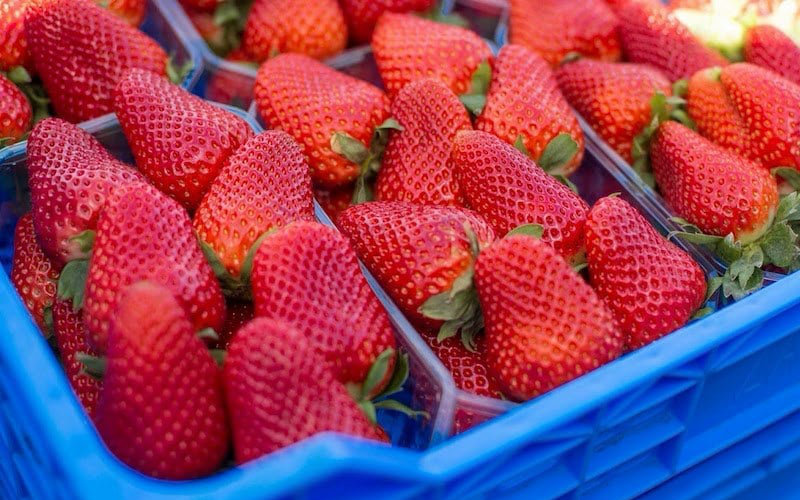
In order to promote seasonal and local French products, the Mousquetaires group, which oversees the Intermarché and Netto brands, has made a radical decision: to ban strawberries and cherries from its shelves during the months of December and January, and therefore those coming from Morocco.