Faten worked in this Tétouan cemetery: her mother now tends her grave
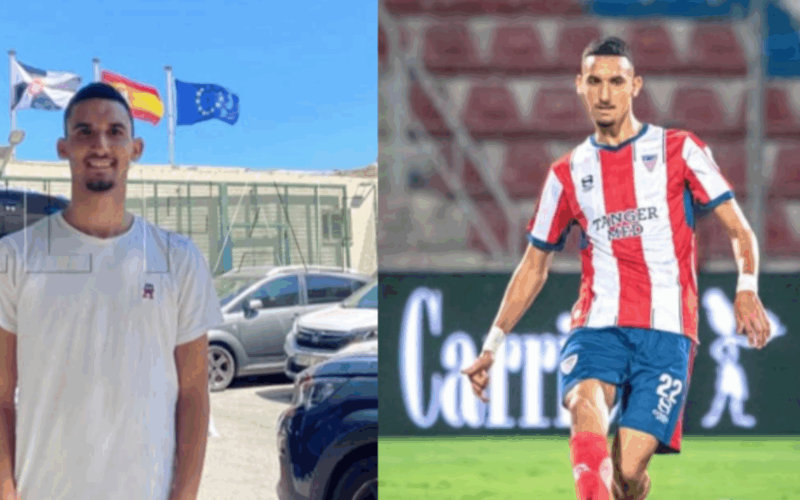
Faten Ben Omar El Azizi had started working in a cemetery in Tétouan at the age of 12. The Moroccan footballer died while trying to reach Sebta and is now buried there. Her mother continues to work there and tends her grave herself.
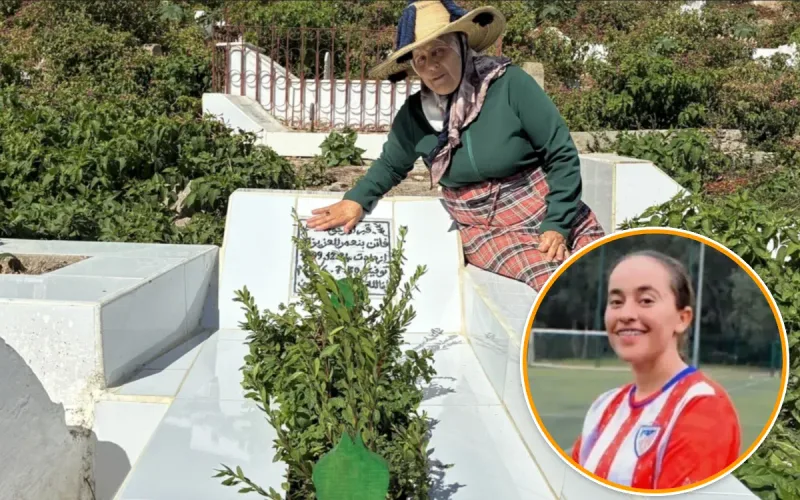
Every Friday morning, Jamila Ben Omar El Aziz sets up outside the main entrance to the Tétouan cemetery. She sells branches of myrtle for graves and offers to clean burial plots for a few dirhams. For six weeks now, one of those graves has borne her own daughter’s name.
Faten had joined her mother at this cemetery after her father died. She was 12 at the time and had left school to help her family. “We spent our whole lives together,” Jamila says in a report filmed in Tétouan by la taz.
On Bladi.net : She Dies Swimming Toward Ceuta as Her Visa for Spain Had Just Been Approved
Outside the cemetery, Faten lived for football. She played for several years with Moghreb Atlético Tétouan in the regional women’s league before joining Ittihad Tanger. Every Sunday, she travelled the 60 kilometres between Tétouan and Tanger for training.
But football did not provide her with a living. Bonuses were paid only in the event of a win, so Faten continued working with her mother. The money she earned from matches also went to her family.
She goes back into the water for her sister
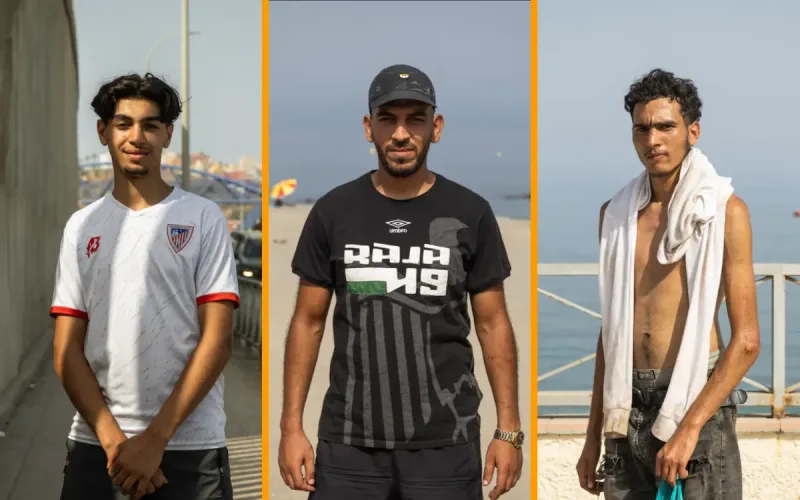
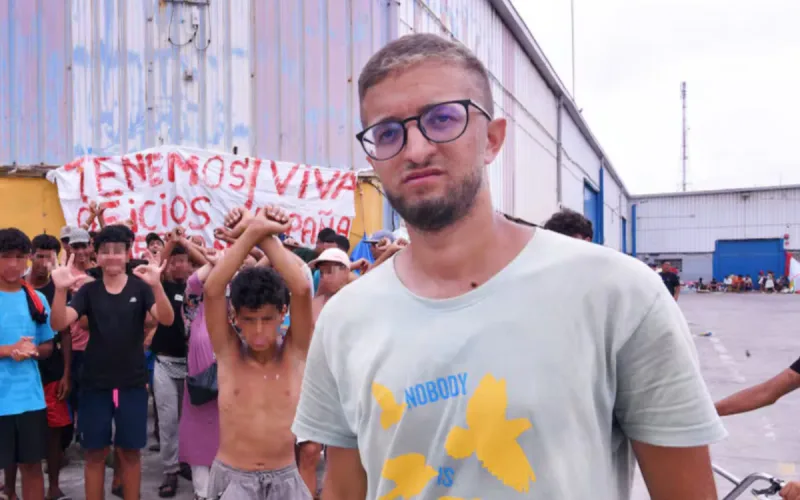
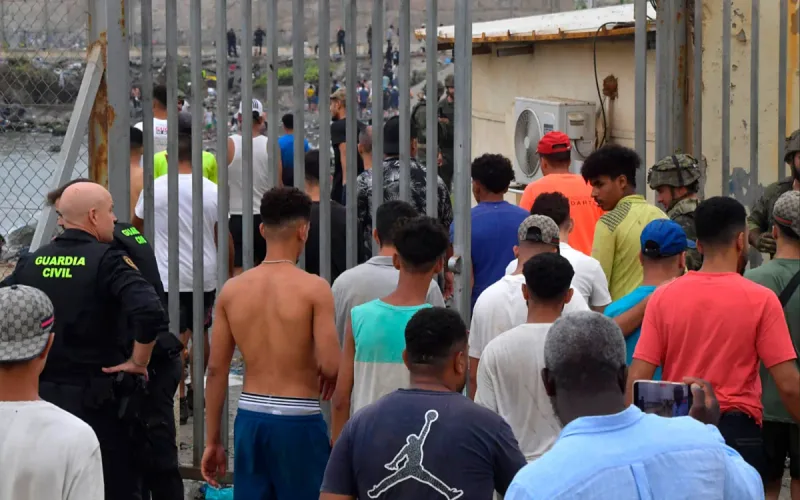
On 30 July, when news that the border might open began circulating in Tétouan, Faten decided to head to Sebta with her brother Montaser, her 15-year-old sister Amira, and a friend. With no taxis available, they travelled to Fnideq in a delivery vehicle, like many other young people.
Montaser headed for the border crossing. The three young women made their way to the beach to try to get around the wall separating Morocco from Sebta by sea. Faten, a strong swimmer, managed to reach a rock. She then saw her younger sister struggling and went back into the water to help her.
Amira eventually reached the Spanish shore alone. She did not see Faten again. The young footballer’s body was found on the Moroccan side and identified the next day by her aunt.
Faten did not yet know that her visa application for Spain had just been approved. The Spanish consulate had contacted her brother to tell him that her passport was ready to be collected. The news reached the family after her death, a few hours too late.
On Bladi.net : The CNI had identified 2,000 people near Ceuta; 72,000 ultimately crossed the border
At the Tétouan cemetery, Jamila now continues the work she shared with her daughter. The myrtle branches on the grave are still fresh when she removes them, turns them over, then lays down new ones. She then runs her hand over the plaque engraved with Faten’s name and the date of her death.