Faced with 22 European countries, France chooses Spain and Morocco
France refuses to follow 22 European countries after the Ceuta crisis. Paris believes their initiative primarily targets the Spanish government and favors a response developed with Madrid and the Moroccan authorities.
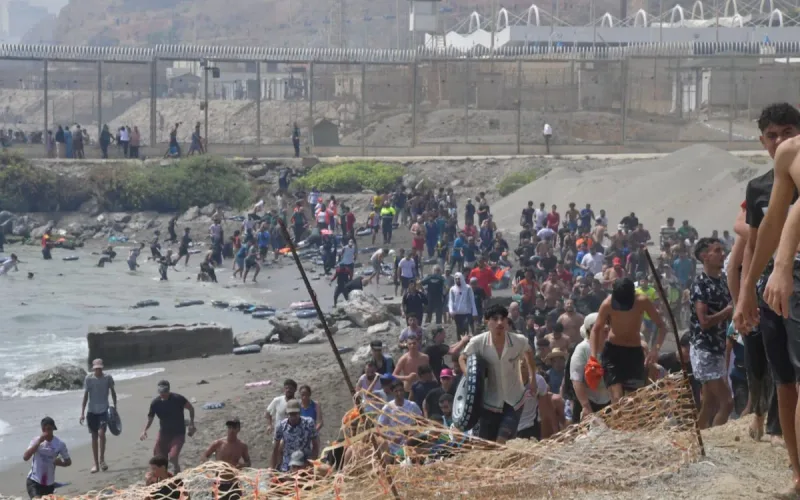
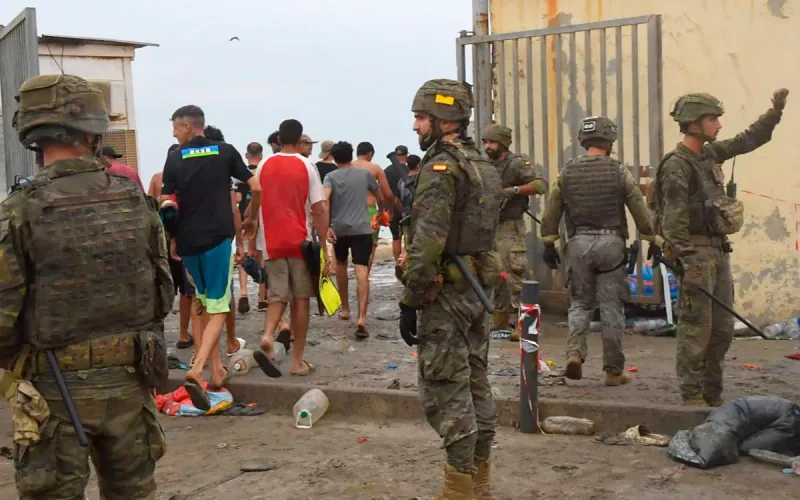
The Ceuta migration crisis is deeply dividing the European Union. A letter led by Italy and Denmark and supported by 22 member states calls for stronger external borders, more effective returns and increased efforts to combat smuggling networks.
On Bladi.net : After Ceuta, Europe Wants to Pay Morocco More to Tighten Border Controls
France has chosen not to join this initiative. Paris considers that the text provides no concrete assistance to Spain, despite the massive arrival of migrants in the city of Ceuta at the end of July.
According to a French diplomatic source cited by the Anadolu agency, the letter is aimed primarily at exploiting the crisis against the government of Pedro Sánchez, rather than resolving the situation in cooperation with the Moroccan authorities.
Paris also points out that the people who entered Ceuta did not disperse throughout the rest of the European Union. Most of them left the city after the measures taken by Spain and the restoration of coordination with Morocco.
Paris refuses to turn Ceuta into a trial
France’s position differs from that of the 22 signatory countries. The latter believe that the events in Ceuta demonstrate the urgent need to better protect Europe’s borders and eliminate factors likely to encourage further irregular entries.
But France believes that this offensive also serves domestic political objectives. Several European governments led by the right or far right have long criticized Pedro Sánchez for his migration policy and his plan to regularize hundreds of thousands of foreigners.
Paris, by contrast, is choosing to maintain its confidence in cooperation between Madrid and Rabat. French diplomacy believes that a lasting response cannot be imposed against Morocco, whose role remains essential in monitoring migration routes to Spain.
This position aligns with that of the European Commission. After the crisis, Ursula von der Leyen praised cooperation between the Moroccan and Spanish authorities and proposed to strengthen the technical and financial support provided to the kingdom.
On Bladi.net : Israel, Spain and Sebta: A New Diplomatic Clash Over Migration
France does not deny the need to strengthen the European Union’s external borders. However, it refuses to allow the Ceuta crisis to be used to isolate Spain or make Morocco solely responsible for the arrivals.