EU boosts drone funding and seeks deeper cooperation with Morocco on migration
Brussels is adding 130 million euros to funding for drones and anti-drone systems to strengthen its borders. The European Union also wants to speed up the return of foreigners without the right to stay and expand cooperation with several countries, including Morocco.
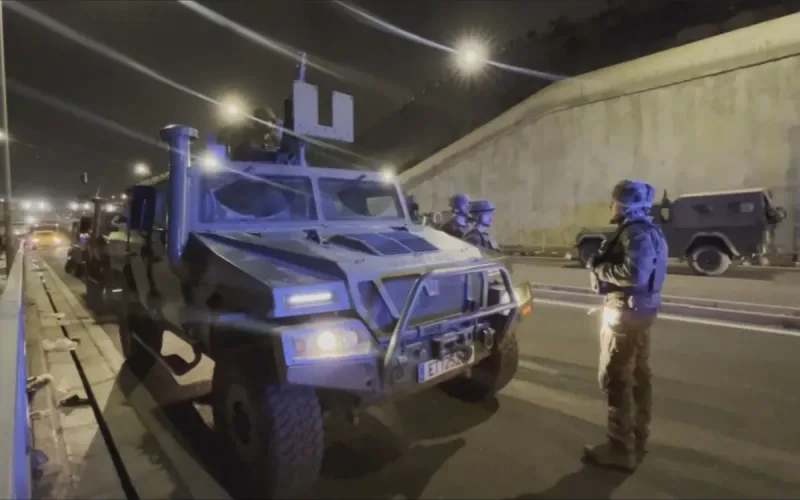
The additional funding was announced at a meeting of European interior ministers in Luxembourg on October 1. It supplements a 250 million euro budget for surveillance and protection technologies, Euronews reports. The equipment is intended for land and sea borders, as well as the security of critical infrastructure.
On Bladi.net : Spain reveals almost everything about Ceuta—except whether its Predator drones are monitoring Morocco
The money will fund the purchase of drones, systems capable of countering hostile aircraft, and their integration into national surveillance networks. The program can cover up to 90% of project costs. Magnus Brunner, the European commissioner for internal affairs and migration, said the additional funding was prompted by the number and quality of proposals received from member states.
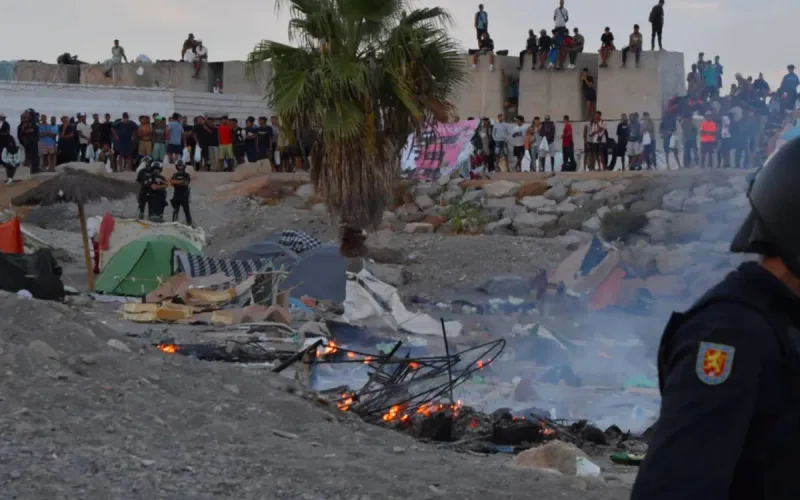
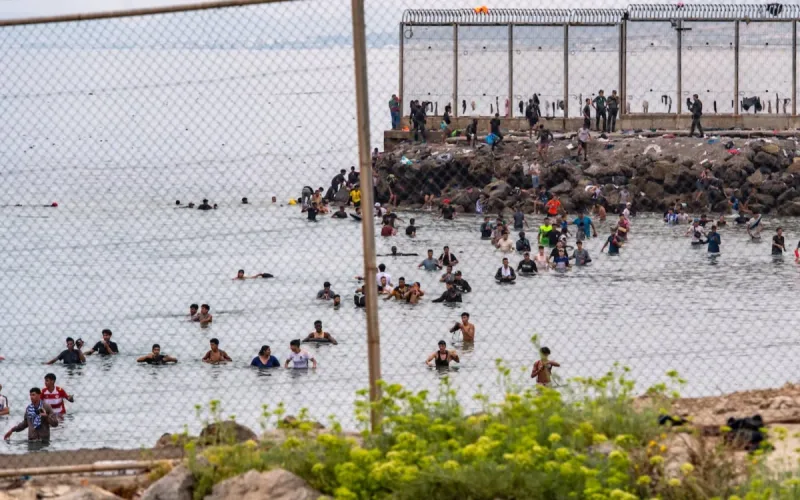
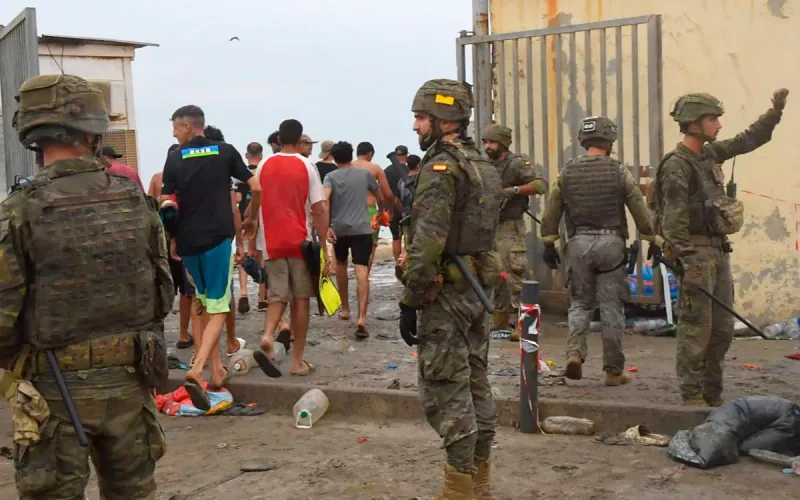
The announcement comes after the mass crossings this summer in Sebta. The Commission wants to improve the detection of migration movements and enable faster intervention at the borders. Its plan includes strengthening Frontex, with personnel and equipment that can be deployed immediately in a crisis.
Morocco among countries approached as partners
Brussels is also seeking to act before migrants reach European territory. Morocco is among the countries Magnus Brunner named for deeper cooperation, alongside Egypt, Libya, Pakistan and Bangladesh.
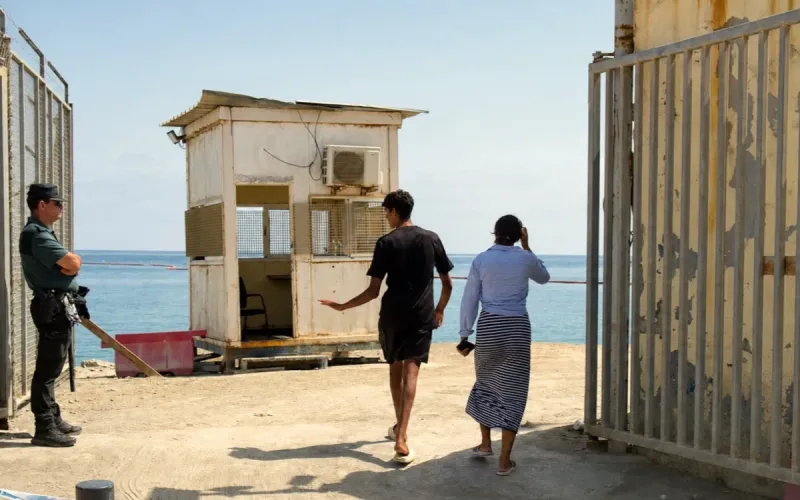
The discussions sought concern migration routes, early warning and returns. On the latter, Rabat had already pledged its full cooperation with Spain to take back people who remained in Sebta without the right to international protection.
Digital tools also play an important role in the European plan. The Commission proposes expanding Frontex’s mandate to monitor social media, in order to identify calls to leave and movements that could lead to mass arrivals at an earlier stage.
On Bladi.net : Spain’s CNI warned of Ceuta border crossing plan on July 29; 19 messages remain classified
The returns component has passed a legislative milestone: on October 1, the Council of the European Union gave its final approval to a regulation allowing, among other things, the creation of return hubs in third countries. Their opening will require an agreement with the host country; unaccompanied minors are excluded from these arrangements.
The regulation will enter into force the day after its publication in the Official Journal of the EU. The provisions on return hubs will then apply immediately, while those requiring preparations will take effect a year later.