Eid al-Adha Morocco: Sheep Prices Soar, Families Struggle
As Eid al-Adha approaches, livestock markets in the Oriental region are bustling. But the surge in sheep prices is sparking buyer outrage, while breeders point to skyrocketing costs.
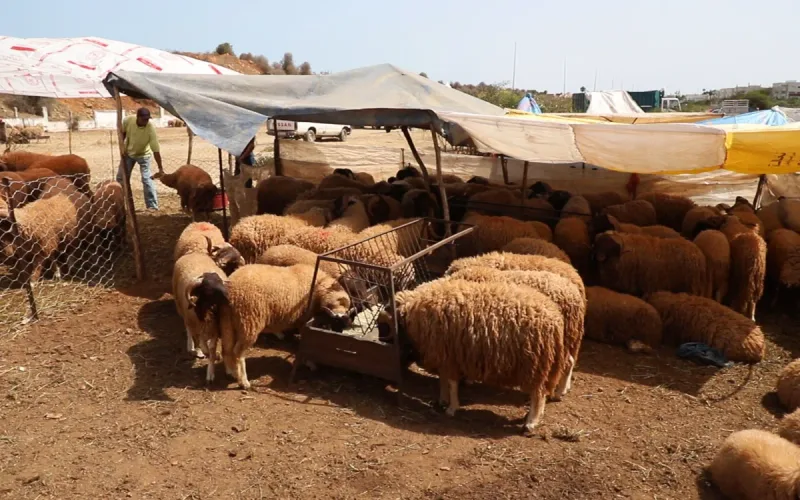
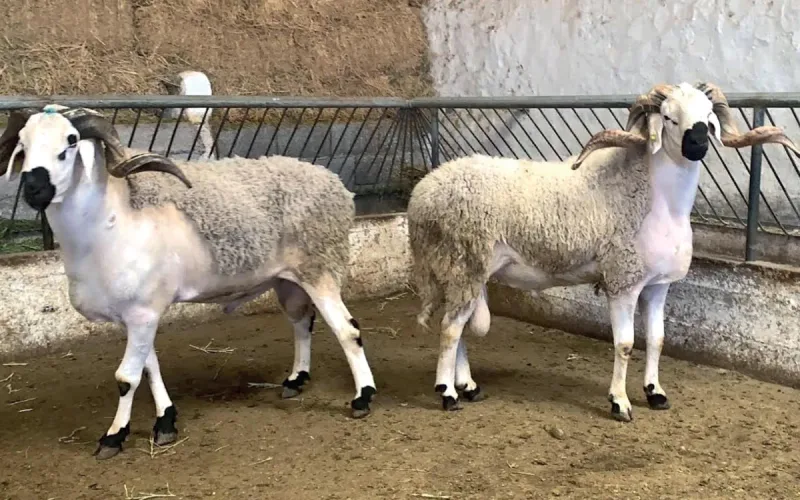
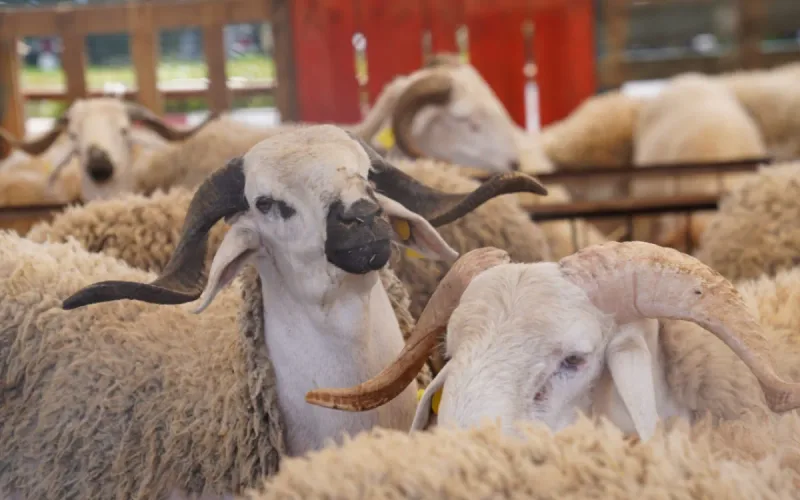
The bill promises to be steep for families. On the markets, a sheep is currently trading between 3,000 and 6,000 dirhams depending on its weight and breed, with some sellers even pricing it at 75 dirhams per kilo. This price surge weighs heavily on household budgets, who view this purchase as an additional burden amid the rising cost of living. A butcher, interviewed by Al3omk, claims that "prices are experiencing a kind of stability compared to last year," while conceding discrepancies of up to 800 dirhams for the same animal. Pressure on demand is further intensified by the return of Moroccans living abroad, particularly in the Nador, Driouch and Berkane sectors.
On Bladi.net : Soaring Sheep Prices Raise Concerns Ahead of Eid al-Adha in Morocco
On the breeders’ side, the situation is equally critical. Successive years of drought have dried up natural pastures, forcing them to resort to expensive industrial feed. A bundle of alfalfa now approaches 120 dirhams, adding to the steep rise in wheat and barley. To these expenses are added transport and veterinary monitoring costs that drastically erode margins. Squeezed, some rural professionals are forced to sell part of their herd simply to pay for fodder and meet their basic needs, with livestock farming remaining their sole resource.
On Bladi.net : Morocco: Eid lamb will be more expensive
Despite this difficult situation, the regional livestock shows a certain resilience. 2025 statistics count 2.6 million head distributed among 62,000 operators. This volume, composed of 1.8 million sheep and 738,000 goats, represents 8% of the national herd. Recent rainfall has slightly improved breeding conditions for famous local breeds such as Beni Guil, Chakra, Sarandia and Daghma. Farmers have moreover accelerated fattening with more than 8,100 operational units with a capacity of 340,000 head, hoping to reassure customers by the day of the celebration.