Drug-Resistance Genes Found in Urban and Rural Wastewater in Morocco
Researchers have detected genes associated with resistance to antibiotics of last resort in Settat and Ouled Said. Their presence in both networks studied, including a rural one, highlights the value of monitoring wastewater before treatment.
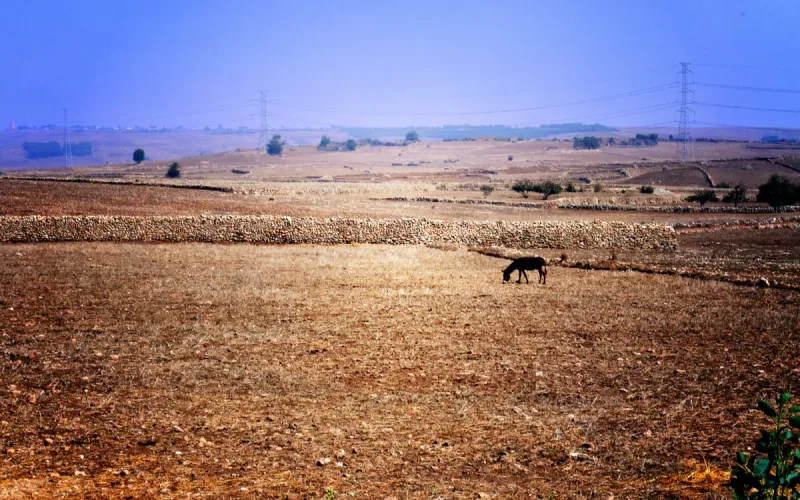
The study, published in the October issue of the Journal of Environmental Chemical Engineering, compares two networks in Settat province: the one serving the city, which receives wastewater from hospitals among other sources, and the one in Ouled Said, in a rural area. The analyses focused on untreated wastewater.
On Bladi.net : Morocco sewage crisis MRE summer odors Larache
To examine its contents, the team used DNA sequencing on samples. Eighteen genetic datasets were analyzed: ten for Settat and eight for Ouled Said. This method makes it possible to search simultaneously for microorganisms and resistance genes.
The researchers identified markers linked to antibiotics of last resort in both networks, notably the mcr, tet(X) and van gene families. These drugs are used to treat certain infections when treatment options become limited.
The rural network is also affected
Detection in Ouled Said extends the value of monitoring beyond wastewater influenced by healthcare facilities. The authors propose including this rural network in antimicrobial resistance monitoring. Their findings are specific to the two sites examined: genetic analysis does not directly measure how effective treatments are for patients.
Wastewater treatment is one way to limit the spread of resistance in the environment. The World Health Organization highlights the role of wastewater management in preventing infections and reducing their spread. This is also an issue accompanying the development of treated wastewater reuse.
A previous study, published on 24 March 2026 in PLOS Water, had already examined lagoon treatment in Settat and Ouled Said. It found a significant decline in bacteria after treatment, but also that some resistant strains persisted.
The genetic research now provides additional information for monitoring these facilities. The researchers plan to use these markers to characterize incoming wastewater and assess processes designed to reduce resistance genes.