Dirham: why Bank Al-Maghrib is still braking before the big leap
Eight years after the start of the reform of the exchange rate regime, Bank Al-Maghrib is maintaining its course of action: no haste. While the dirham has been evolving within a fluctuation band since 2018, Governor Abdellatif Jouahri is preparing the ground for a new major step by 2026, while insisting on the need to protect small businesses from the risks of the market.
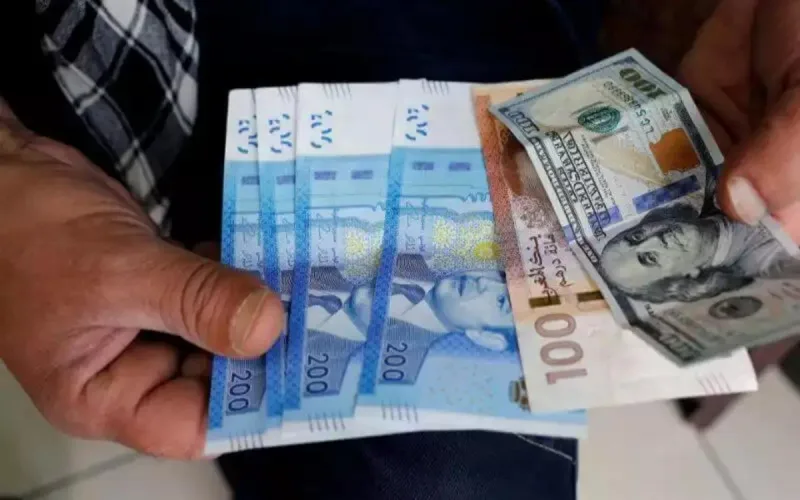
For the monetary authorities, the liberalization of the national currency must never be synonymous with a brutal rupture. The doctrine remains that of a step-by-step transition, conditioned by strict prerequisites to avoid any slippage. While the ultimate goal is to give more room to the "invisible hand" of the market, the regulator refuses to let go of the safeguards as long as the financial architecture is not deemed solid enough to absorb shocks, explains the newspaper les Inspirations Eco. Currently, the Kingdom operates with a dirham fluctuating around a central rate determined by a basket of currencies, dominated by the euro and the dollar, a system that has helped cushion recent crises.
The heart of the problem lies in the transfer of risk. By widening the fluctuation band, Bank Al-Maghrib mechanically transfers the foreign exchange risk exposure from the institution to the economic agents. In a Moroccan economy that imports most of its energy, raw materials and equipment, increased volatility could directly impact the profit margins of companies and, by extension, consumer prices. It is this fear of imported inflation that prompts the Governor to exercise the utmost caution, refusing to align the reform schedule with a political agenda.
The major concern is the local productive fabric, which is predominantly made up of Very Small Enterprises (VSEs). If large structures and exporting SMEs have the tools and financial engineering to hedge against currency fluctuations, small entities often navigate blindly. Without a massive dissemination of hedging instruments, increased flexibility would mean weakening these already vulnerable players. This is why 2026 is presented as a test year: it will serve as a pilot phase for "inflation targeting", a crucial technical step that should lead to effective implementation by the end of 2026 or the beginning of 2027, provided that the market is ready to withstand the upheavals of a freer currency.