
Belgium Morocco inheritance Belgian tax authorities obligations
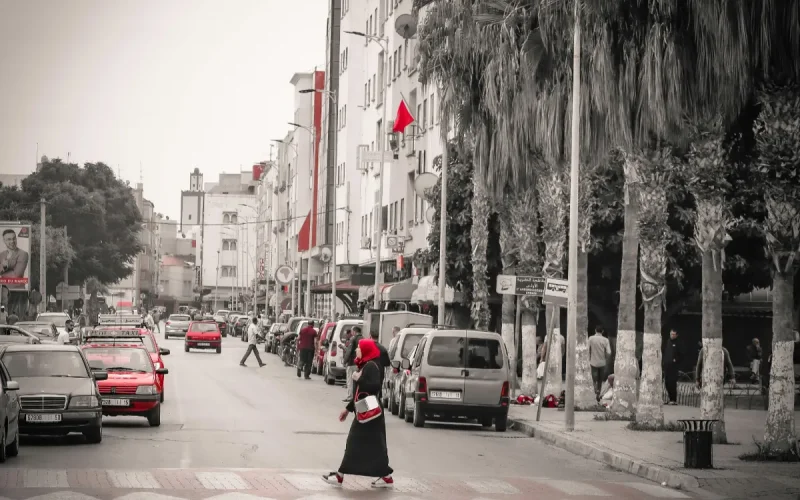
An inheritance between Belgium and Morocco is not always settled solely in the country of death. When the deceased lived in Belgium or still owned Belgian real estate, the Belgian tax authorities may be involved.
In many Moroccan families in Belgium, inheritances today are settled between two countries. A parent may live in Belgium but own a house in Morocco. Another may have returned to live in Morocco while keeping an apartment in Brussels, Antwerp, Liège or Charleroi. In these situations, inheritance can quickly become a Belgian-Moroccan affair.
On Bladi.net : France Morocco Inheritance Tax Obligations Explained
The central point is the residence of the deceased. If the deceased person was considered to be living in Belgium, heirs must declare all of their assets: property located in Belgium, but also those abroad. A house in Morocco, a Moroccan bank account, land or property inherited there can therefore be included in the Belgian inheritance declaration.
The nationality of the deceased is not sufficient to avoid this obligation. A Moroccan living mainly in Belgium may be subject to Belgian inheritance rules, even if they die in Morocco. It is not only the passport or place of death that matters, but also the deceased’s last actual and tax residence.
The situation is different if the person was no longer living in Belgium at the time of death. In this case, the Belgian tax authorities do not require declaration of all worldwide assets. But if the deceased still owned real estate in Belgium, heirs must in principle declare it. This is then called transfer duties on death, not classic inheritance rights.
Morocco does not eliminate Belgian procedures
For MRE families, the most common case is that of assets shared between the two countries: a home in Belgium, a family house in Morocco, bank accounts, sometimes land or property received by inheritance. Heirs must then precisely identify where the deceased lived, where the assets are located and which administration has jurisdiction.
If the deceased resided in Brussels or Wallonia, the inheritance declaration is made to the SPF Finance. If the deceased resided in Flanders, the Flemish tax administration is competent. This distinction is important because inheritance rights vary by Region.
The amounts to be paid also depend on the relationship to the deceased. The rates are not the same for a spouse, child, brother, sister, nephew or a person without direct family ties. The net value of what each person receives is also taken into account, after deduction of admitted debts.
The filing deadline must be monitored closely. If death occurs in Belgium, the declaration must be filed within four months. If death occurs in another European country, the deadline is five months. In case of death outside Europe, such as in Morocco, the deadline is six months. A delay can result in a monthly fine for each heir.
The declaration must contain the information necessary to calculate the rights: composition of the estate, value of assets, identity of heirs, distribution of inheritance, possible debts. For real estate, heirs must provide information to identify the assets concerned. The value of assets on the date of death is decisive.
Moroccan assets can also raise another question for heirs residing in Belgium. When a Belgian resident inherits real estate in Morocco, they may then have to declare it as foreign real estate so that a cadastral income is assigned to them in Belgium. Inheritance therefore does not necessarily end with the succession itself.
For Moroccan families, the risk often comes from a misreading of the situation. Some think that a death in Morocco is solely the responsibility of Moroccan authorities. Others believe that property located in Belgium no longer matters if the deceased had returned to live in Morocco. In both cases, there may remain a Belgian obligation.
Before settling an inheritance between Belgium and Morocco, heirs are therefore well advised to make a complete inventory: actual residence of the deceased, assets in Belgium, assets in Morocco, bank accounts, debts, past gifts and any notarial documents. This snapshot of assets is what determines whether the Belgian tax authorities must be involved.
On Bladi.net : Belgium Morocco property tax declaration requirements for residents
A Belgian-Moroccan inheritance does not automatically result in high taxes in Belgium. But it can require a declaration, deadlines to meet and sometimes payment of duties. For the Belgian tax authorities, Morocco does not eliminate assets located in Belgium, nor the foreign assets of a deceased who still lived fiscally in Belgium.
Related Articles
-

Belgium returns 233 convicted criminals to Morocco but expels only 8% of undocumented migrants arrested in Schaerbeek
15 September 2026
-
A Plot of Land Received for Free in Morocco Could Cost Him His Social Housing in Belgium
12 September 2026
-
Belgium tracks down real estate abroad: more than one in two checks in Morocco is positive
11 September 2026
-

700,000 trips: Morocco becomes the top destination outside Europe for residents of Belgium
11 September 2026
-

A Moroccan man arrives from France with a loaded Kalashnikov hidden under baby clothes
8 September 2026