
A Plot of Land Received for Free in Morocco Could Cost Him His Social Housing in Belgium
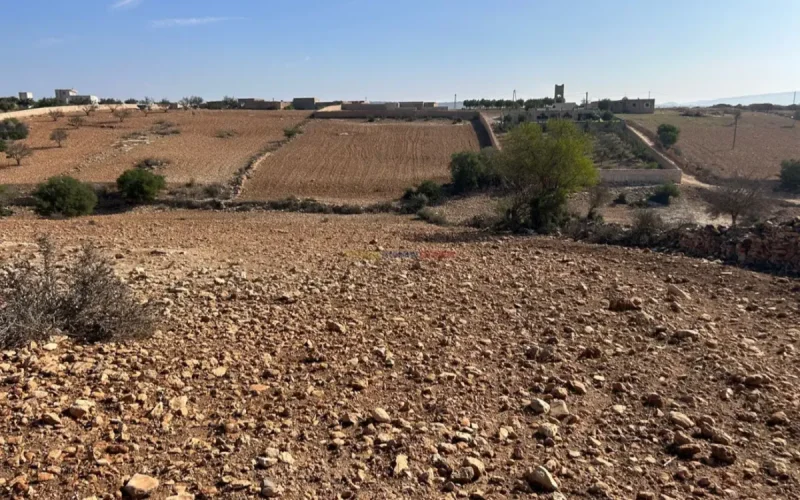
A social housing tenant in Antwerp risks losing his home after the discovery of a plot of land he owns jointly with his brother in Morocco. The Court of Cassation considers that having received this property for free does not allow him to evade Flemish rules.
The man has rented a home from Woonhaven Antwerpen since 1 April 2015. An investigation nevertheless revealed that, since March 2001, he had been co-owner with his brother of a plot of land in Morocco, on which a house has since been built.
The land had been transferred to him for free. In December 2021, the social landlord terminated his contract, believing that he no longer met the conditions relating to property ownership. This case comes as Belgium intensifies its checks on real estate held abroad, particularly in Morocco.
On Bladi.net : Her Moroccan passport reveals her stays: CAF demands €10,638 from her
The tenant initially won his case. Hearing the appeal, the Antwerp courts had considered that the rules invoked did not apply to people who held part of a property for free.
The Court of Cassation overturns the decision
The Belgian Court of Cassation rejected this interpretation in a ruling issued on 26 March 2026. Since 1 March 2017, a Flemish social housing tenant may not own, even partially, a home or land intended for construction, whether the property is located in Belgium or abroad.
According to the high court, the origin of the property makes no difference: the rule applies whether it was purchased or received for free. The tenant had to withdraw from the joint ownership within one year of the obligation coming into force. He could request additional time if he had valid grounds.
On Bladi.net : She takes in an abandoned little girl in Morocco: France demands €4,710 from her
The Court of Cassation therefore overturned the judgment that had rejected the termination of the lease. However, it did not directly order the man’s eviction. The case was referred back to the Limburg court of first instance. No new decision appears to date in the Belgian justice system’s public database.
Related Articles
-

Belgium returns 233 convicted criminals to Morocco but expels only 8% of undocumented migrants arrested in Schaerbeek
15 September 2026
-
Belgium tracks down real estate abroad: more than one in two checks in Morocco is positive
11 September 2026
-

700,000 trips: Morocco becomes the top destination outside Europe for residents of Belgium
11 September 2026
-

A Moroccan man arrives from France with a loaded Kalashnikov hidden under baby clothes
8 September 2026
-

His family was desperately searching for a donor: 26-year-old Ilias dies the next day
3 September 2026