Belgium Drug Money Threatens Youth Sports Programs
After thirty years working with young people in Antwerp’s neighborhoods, Mohamed Zemmouri is sounding the alarm. The educator of Moroccan origin believes that drug trafficking money is making prevention through sport increasingly difficult.

"If these young people can earn 300 euros by selling coke, how can I still convince them to coach our young players for 20 euros?", asks the head of Kras Sport, now 62 years old.
On Bladi.net : Underage Moroccan Migrants Exploited in Brussels Drug Trade
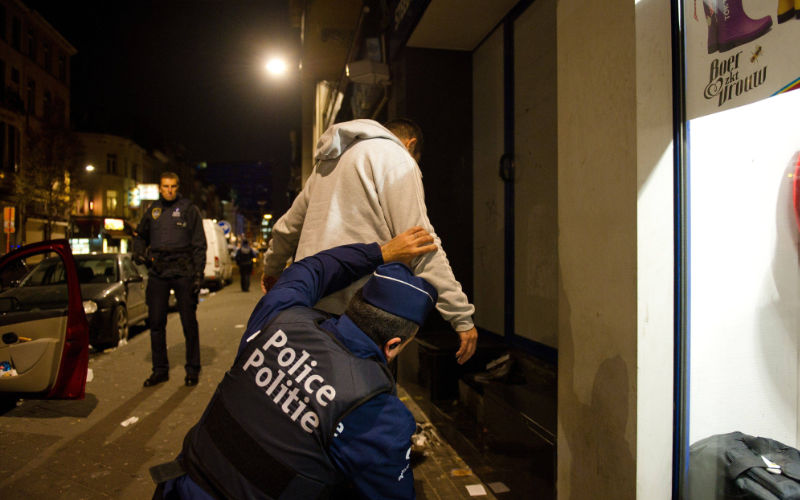
Mohamed Zemmouri states that drug consumption and sales already existed before, but they are now much more visible in public spaces. He says he regularly discusses the dangers of joints and other drugs with teenagers.
He had even decided, on one occasion, to submit his team to drug testing. Three out of ten players tested positive. A significant result, but one that confirms, according to him, that his association works precisely with vulnerable young people who need support.
Easy money threatens educators’ work
However, the main danger comes from the income offered by trafficking. Once accustomed to this money and the standard of living it allows, some young people become very difficult to bring back to regular activity, training, or community involvement.
For years, Mohamed Zemmouri traveled the fields of Hoboken, Borgerhout, Merksem and Kiel with a bag of balls and a few bibs. His objective was not limited to spotting talent: he also sought to gain the trust of young people, to discipline them when their behavior required it, without ever considering them as permanently lost.
"We never abandon anyone, even those that others present as hopeless cases," he explains in an interview with Gazet van Antwerpen.
On Bladi.net : 39 years of prison avoided: how the Belgian cocaine king fled to Morocco
Now retired, he hands over to a new team, but maintains one concern: faced with the hundreds of euros offered by traffickers, neighborhood football and educational work are increasingly struggling to compete.