
Pesticides Banned in Europe Sold to Morocco
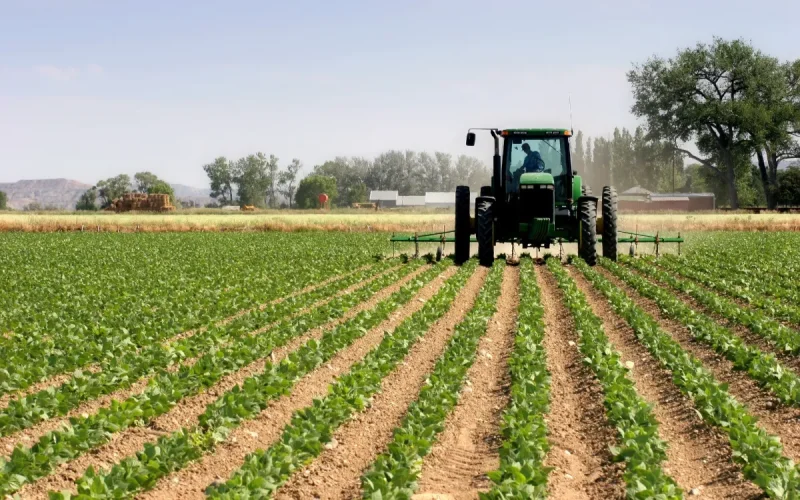
Despite strict prohibition on European soil, thousands of tons of dangerous pesticides continue to be produced and then exported. Morocco has now established itself as one of Africa’s leading buyers of these particularly harmful chemical products.
Europe’s chemical industry maintains a thriving trade beyond its borders. According to an investigation by the NGO Public Eye, relayed by RFI, 122,000 tons of plant protection substances banned from the European Union were shipped abroad in 2024. On the African continent, Morocco, alongside South Africa, stands as the leading customer.
On Bladi.net : UK Firm Exports Banned Pesticides to Developing Countries, Investigation Finds
These impressive volumes, which have doubled since 2018, flow toward approximately one hundred developing or middle-income countries. Three historical giants in the sector, Bayer, BASF, and Syngenta, control more than half of this global market. They take advantage of looser regulations in Morocco and elsewhere to sell products that Europe deems too dangerous for its own land.
On the ground, the use of these compounds poses serious risks to agricultural workers, who are often poorly protected against this toxicity. Laurent Gaberell, investigator for Public Eye, recalls that these are substances withdrawn from the European market because they "polluted groundwater," destroyed bees, and presented cancer or infertility risks.
Faced with this situation, Brussels had committed in 2020 to legislating to stop these exports. Six years later, this bill is at a standstill. Environmental advocates denounce the strong pressure exerted by the chemical lobby to protect its profits, condemning a hypocritical system that tolerates abroad what it forbids at home.
On Bladi.net : Morocco, the undisputed leader of European wheat
This double standard moreover conceals a major contradiction for consumers of the Old Continent. Since Europe massively imports agricultural products grown in these same buyer countries, the pesticides sold to Morocco and elsewhere inevitably end up back on the plates of European citizens.
Related Articles
-
220 dirhams on construction sites, up to 400 in the fields: Morocco lacks workers
25 August 2026
-

This Israeli company equips defense giants and also has clients in Morocco
24 August 2026
-
After three days in Algeria, a sanctioned Russian ship passes near Morocco
24 August 2026
-

In Brussels, a Moroccan name and being over 50: the profile most disadvantaged in hiring
24 August 2026
-

Morocco Has a New Billionaire Forbes Has Yet to Spot
24 August 2026