Automobile: Why Volkswagen could abandon South Africa for the Moroccan "hub
Faced with the stagnation of the South African model, the German manufacturer Volkswagen is studying a reorientation of its industrial capacities towards Africa. Morocco is now emerging as the most credible alternative to support the group’s export ambitions and electric transition.
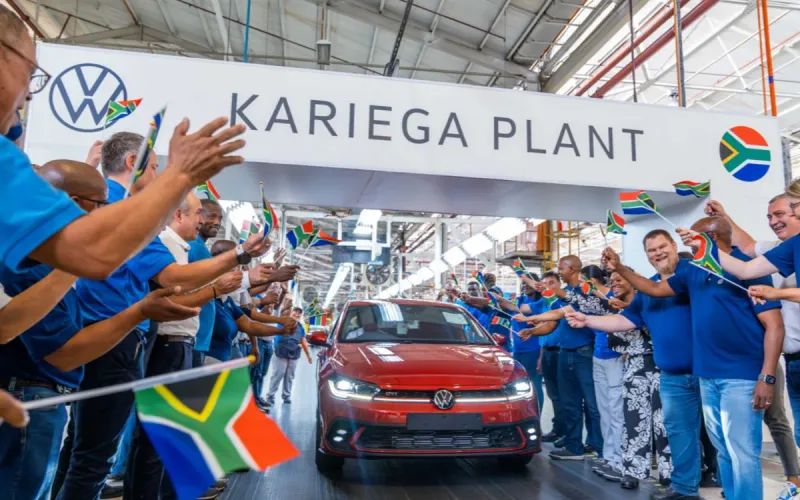
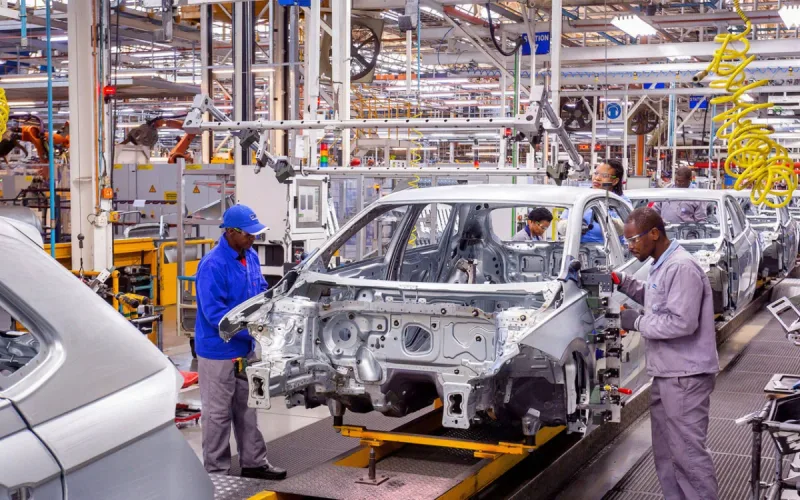
Automobile production in South Africa is going through a turbulent period, plateauing at 610,000 vehicles per year. This volume remains well below the national target of one million, limiting the competitiveness of local suppliers. Martina Biene, Managing Director of Volkswagen Group Africa, points out that this lack of critical mass is now hampering the necessary industrial investments.
The South African domestic market is also weakening, with the share of locally produced vehicles falling to around one-third, compared to more than 50% in the mid-2000s. This growing dominance of imports reduces the effectiveness of government incentives and weakens the country’s industrial base, making the model centered on internal combustion engines increasingly vulnerable.
Volkswagen is particularly exposed as Europe absorbs 76% of its South African exports. The acceleration of the energy transition in the Old Continent, combined with insufficient preparation of the South African plant for electric mobility, poses immediate financial risks, notably through the first penalties related to CO₂ emissions.
In this rapidly changing landscape, Morocco stands out for its energy stability and its logistical proximity to Europe. The Kingdom has a structured ecosystem, already oriented towards exports and capable of quickly integrating the new value chains of electric mobility. For Volkswagen, Morocco represents a major opportunity to consolidate its position in the face of international competition.