Automobile: Volkswagen threatens to leave South Africa for Morocco
While Nissan has just packed up and left South Africa, Volkswagen is warning Pretoria: Improving local infrastructure is no longer enough. To secure investments for the next decade, South Africa is no longer competing against itself, but against ultra-competitive hubs like Morocco.
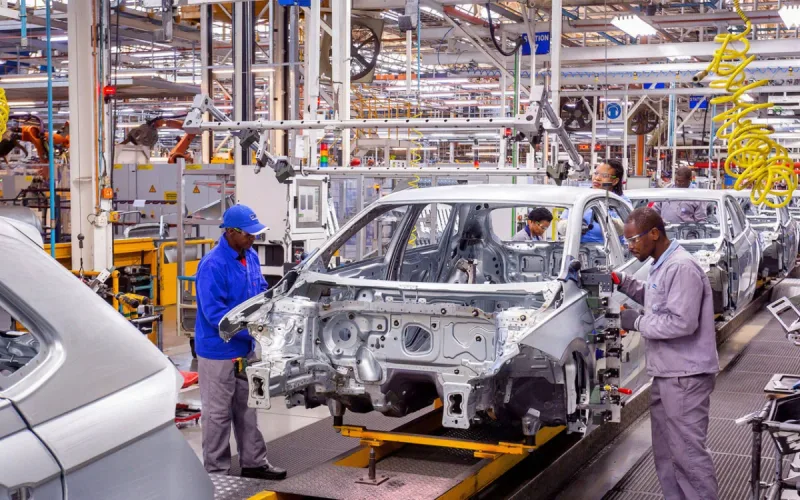
The departure of Nissan, which has ceded its plant to the Chinese Chery, has sent shockwaves through the South African automotive industry. But it is now Volkswagen, a historic pillar of the sector, that is sounding the alarm. During the group’s third annual Indaba, Martina Biene, Managing Director of Volkswagen Group Africa, delivered a blunt diagnosis: 2026 will be a decisive year for the future of local production. The message is clear: the parent company in Germany is no longer satisfied with noting the slight logistical or energy progress of South Africa.
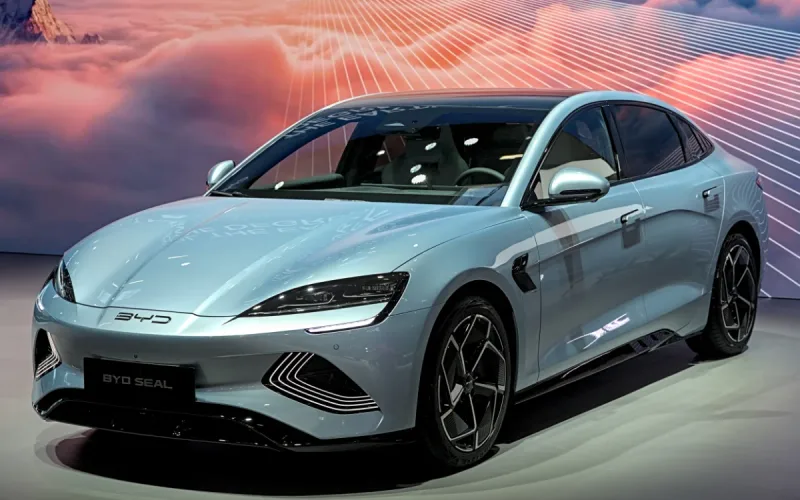
On Bladi.net: BYD is accelerating in Morocco and weakening its European competitors
The competition for capital allocation is now global and ruthless. "Headquarters does not compare if South Africa is slightly better than last year," warned Martina Biene. "They compare South Africa to Morocco, India, other markets competing for the same capital." This comparison with Morocco is not insignificant: the Kingdom has established itself as a formidable export platform on the doorstep of Europe, massively attracting investments thanks to a coherent industrial strategy, where South Africa struggles to convince and suffers from an outdated model.
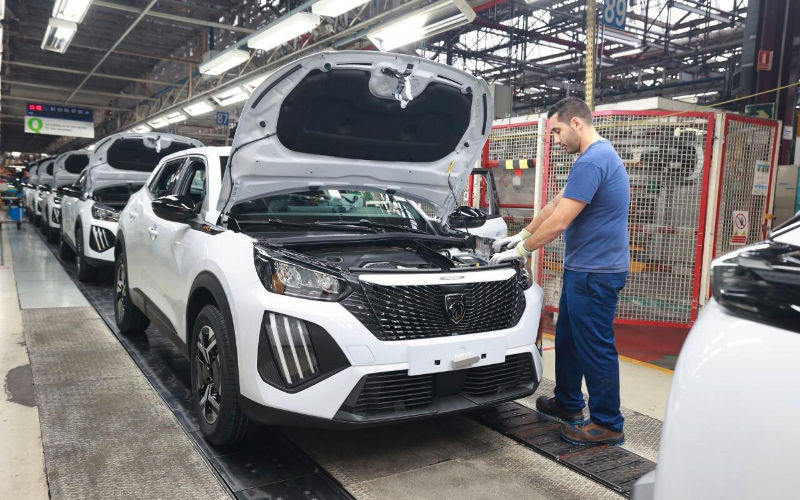
On Bladi.net: Automotive: how Morocco is shaking up Spanish factories
For Volkswagen, which must decide this year on its post-2030 investments, the South African indicators are orange. The local industry suffers from a lack of critical mass: with 610,000 vehicles produced last year, the country is far from the one million unit target set by its master plan. More worryingly, the domestic market is slipping away from local producers, with 67% of vehicles sold now being imported, making production incentives less and less effective.
The other major threat lies in the dependence on exports to Europe, which absorbs the majority of VW South Africa’s production. As the Old Continent shifts to electric, South Africa is facing a glaring technological and political lag. The carbon penalties imposed by the EU have already reduced the order book by 20,000 vehicles this year. Martina Biene is calling for a more pragmatic policy, including hybrids, to avoid losing access to the European market. "We don’t have the luxury of debating for another two or three years," she warned, stressing the urgency of reacting to the rise of competitors like Morocco.