US Army Seeks Systems to Detect Radio-Silent Drones in Morocco
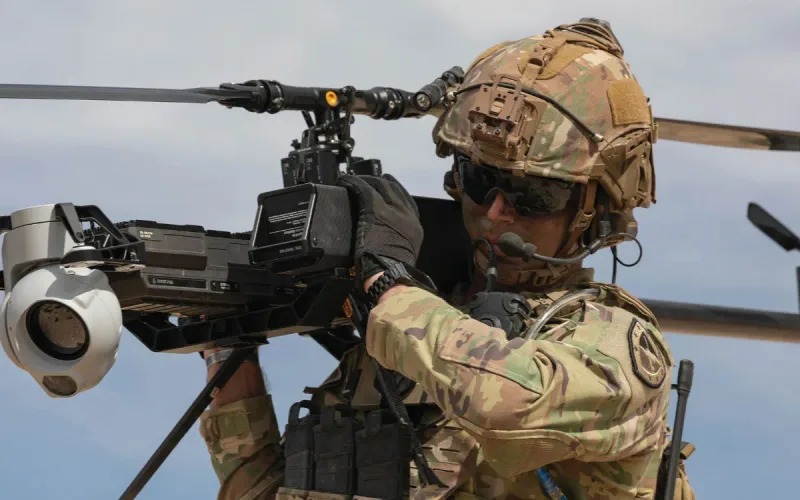
The US Army has set out requirements for future counter-drone systems to be evaluated in Morocco: identifying aircraft emitting no radio signals from nearly 1.6 kilometers away, tracking targets at much greater distances and operating at isolated sites.
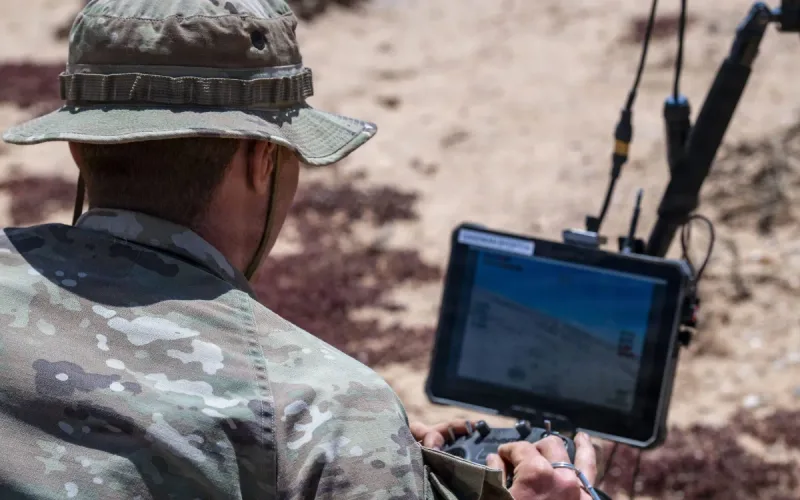
Detecting a drone that remains silent on radio frequencies: this is one of the challenges facing equipment Washington plans to test in Tan-Tan. On October 21, a US Army spokesperson outlined several technical thresholds to Task & Purpose that were absent from the initial presentation of the Moroccan trials.
The first concerns small drones that transmit no detectable radio signal. Systems will have to detect and identify them from nearly a mile away, or about 1.6 kilometers, both day and night. The military wants to detect a threat without being able to rely on its transmissions.
Two other distances are required for tracking aircraft in flight: nearly 3.2 kilometers for small drones and about 8 kilometers for larger ones. Tracking is a separate criterion from identifying silent drones. All these distances are targets that future equipment will have to demonstrate during the evaluations.
Equipment that can be used far from military bases
The US command’s priority is to protect temporary command posts and isolated positions. Communications networks in these areas may be limited. Officials are therefore calling for affordable systems that can be deployed in large numbers and operate when the technical environment deteriorates.
The Army highlights how quickly adversaries adapt commercially available drones. This trend is prompting its teams to seek protective measures that can be used in regions with little infrastructure, beyond systems that monitor radio transmissions alone.
Demonstrations planned in Tan-Tan in February and March 2027 will put these requirements to the test. The equipment will then be evaluated during African Lion in April and May. According to the US Army, the results and soldiers’ observations will guide the choice of technologies to purchase.
The US goal is to deliver the selected equipment to units within 180 days of the evaluations.