
Morocco
British Woman Dies from Rabies After Puppy Scratch in Morocco Holiday Tragedy
A 59-year-old British woman died of rabies upon returning to her country, after having been in contact with a stray puppy during her stay in Morocco.

A 59-year-old British woman died of rabies upon returning to her country, after having been in contact with a stray puppy during her stay in Morocco.
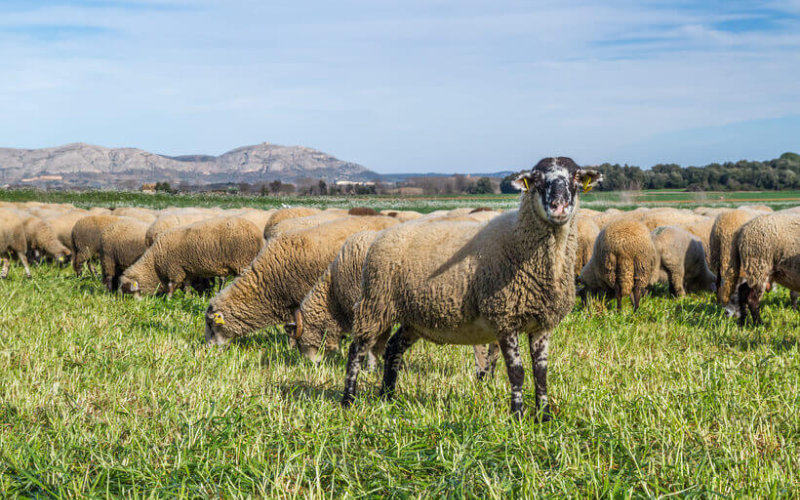
In Spain, the price of lamb meat has reached record levels, a situation that is sparking debate among breeders, exporters, butchers and consumers.
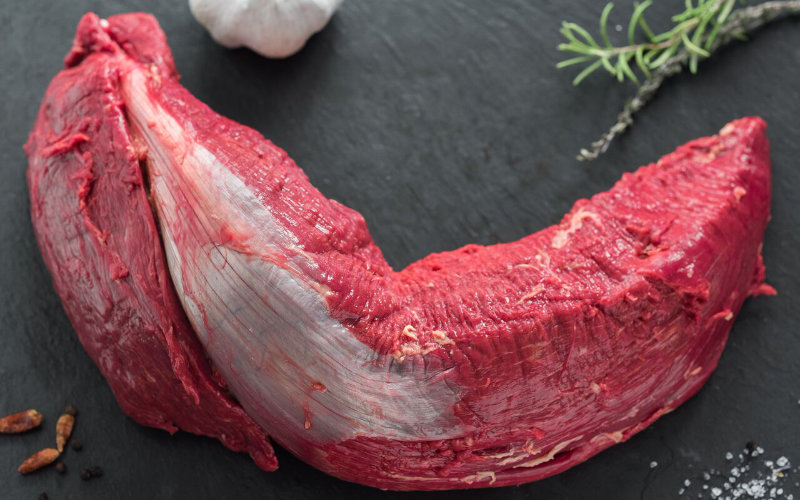
The discovery of remains and heads of donkeys, mules, and other animals in a landfill in Al Massira III (Moulay Rachid-Sidi Othmane), not far from Casablanca, on the eve of Eid Al-Adha, continues to fuel debates and raise concerns and questions.

Lamya Essemlali, president of Sea Shepherd France since 2008, spoke at length on Tuesday, June 3, during a conference in Gennevilliers (Hauts-de-Seine), her hometown, about her commitment to saving the oceans.
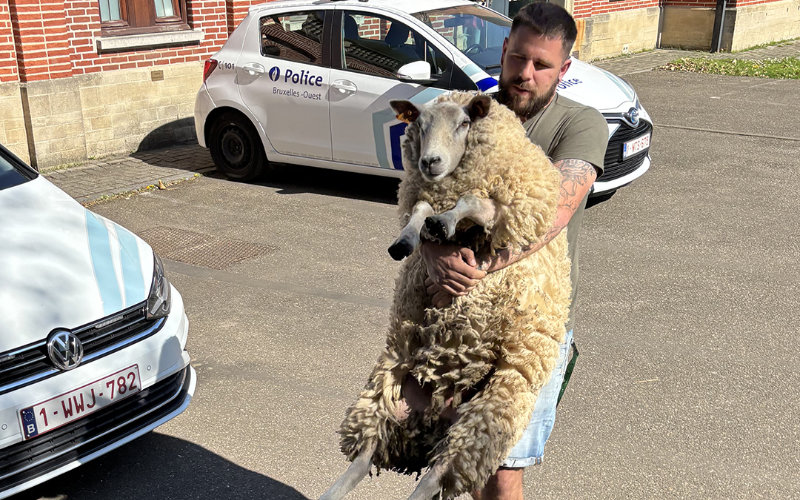
Two sheep destined for slaughter for Eid joined a wedding procession in Molenbeek-Saint-Jean. Authorities were alerted to "save" the two animals.
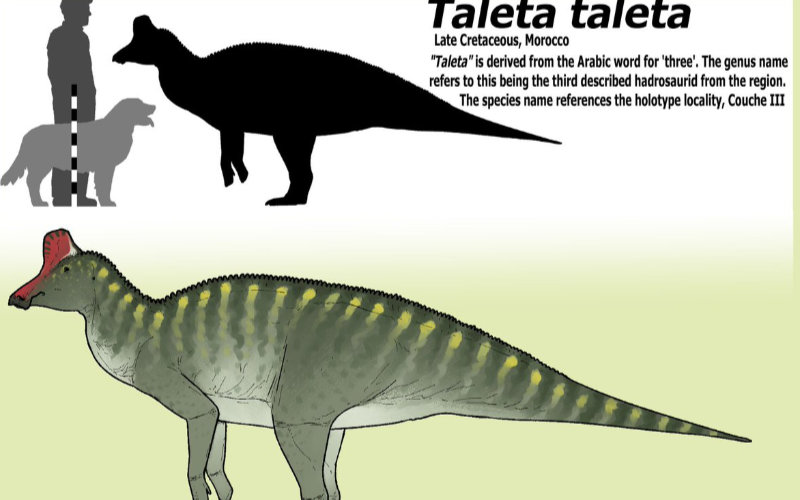
The unearthing of a new species of duck-billed dinosaur in Morocco, named Taleta taleta, supports the hypothesis of intercontinental migrations at the end of the Cretaceous period.
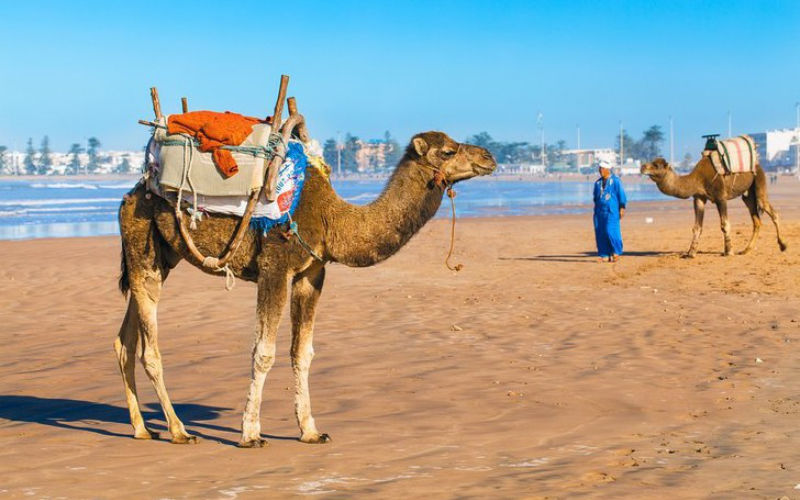
In Morocco, holidaymakers criticize the circulation of horses, camels, and sometimes even "ostriches" on beaches, which not only poses environmental and health problems but also ruins their vacations.
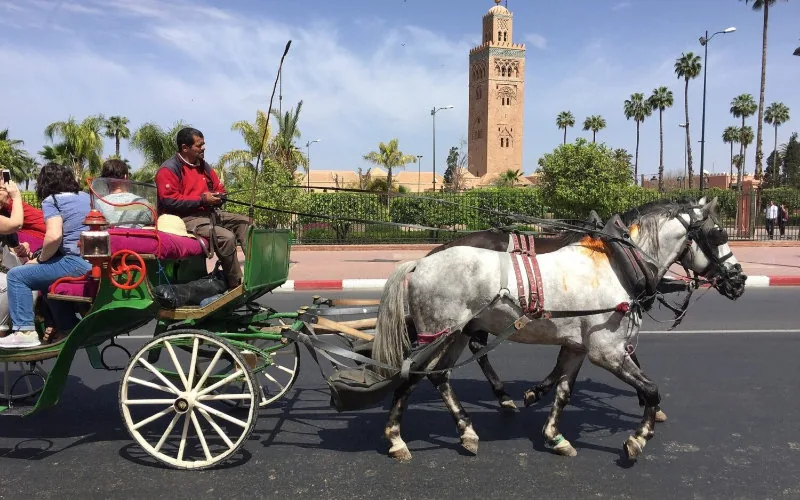
An international organization specializing in animal rights advocacy is calling for the protection of carriage horses in the city of Marrakech, denouncing the fact that these animals are exploited to death for the purpose of tourist entertainment. TEXTE: "Every day in Marrakech, Morocco, horses pull carriages through the streets, transporting tourists for sightseeing tours through the dense traffic and winding alleys. But behind the picturesque scenes of the lively souks, ancient buildings, and enchanting gardens, lies a painful reality," denounces the international NGO Network for Animals in a press release published on its website. The organization deplores the suffering of these animals, who are "exposed to the burning sun when not occupied in pulling the carriages loaded with tourists" or who are "weak, dehydrated, to the point of collapsing in the streets, unable to get up" during the summer when "temperatures often exceed 40 degrees Celsius." Network for Animals also highlights the suffering of horses that are whipped or sustain "often serious and potentially fatal" injuries in traffic accidents. In its press release, the association indicates that it has launched, in partnership with the Jarjeer Mule and Donkey Refuge, located in the vicinity of the ochre city, an appeal to the authorities to put an end to the mistreatment of these animals. This refuge, open 24 hours a day, provides care for horses rescued from various regions of Morocco, including carriage horses that are injured or in a state of extreme fatigue.
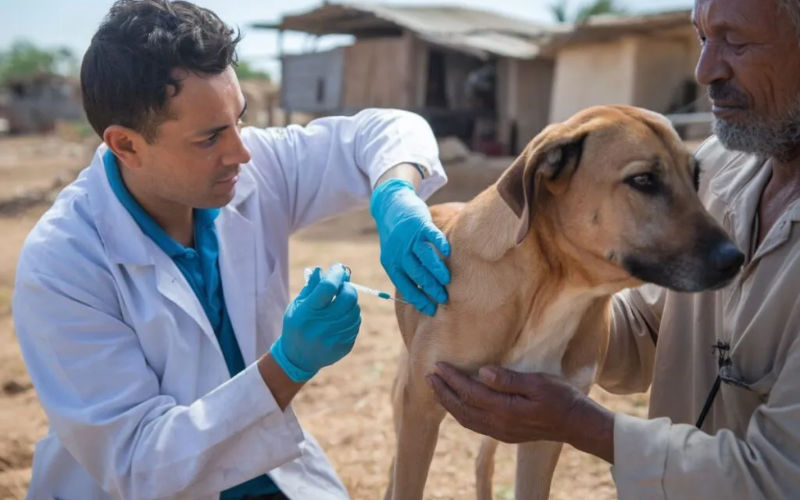
While it is pulling out all the stops to fight against the proliferation of stray dogs after accusations that Morocco was considering killing three million stray dogs before the 2030 World Cup, the Moroccan government is facing a major obstacle: veterinarians are not willing to "perform sterilizations".
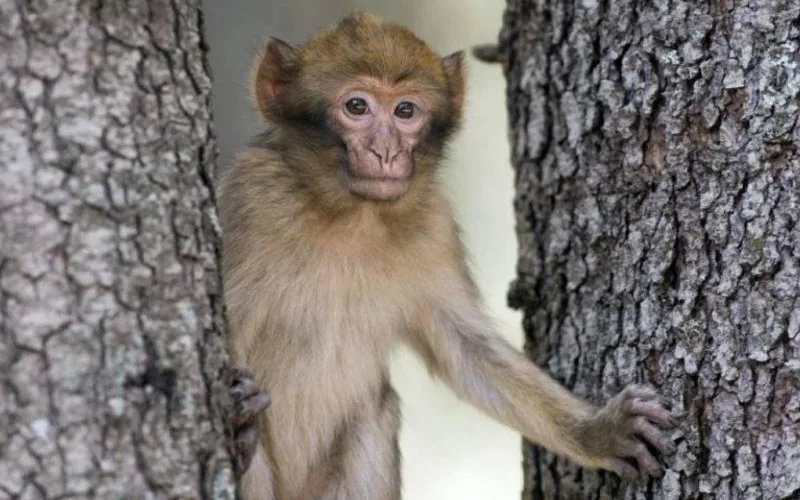
Internationally, wildlife trafficking is thriving. In addition to captured wolves and snakes, albino baby Barbary macaques from Morocco are being resold for 2,500 euros in France via social networks.
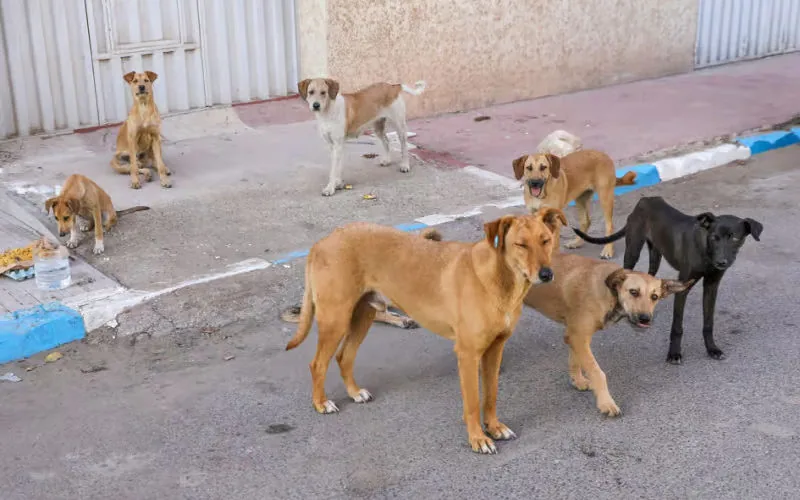
Morocco has made the fight against the proliferation of stray dogs a priority. This is evidenced by the actions taken by the Ministry of the Interior in this direction over the past five years.

Chinese authorities have decided to suspend all imports of poultry and poultry products from Morocco, following the detection of an outbreak affected by Newcastle disease, reported by the World Organisation for Animal Health.