Algeria Steps Up Military Role in Niger as Nigeria–Morocco Pipeline Rivalry Grows
Algeria is advancing on two fronts in Niger: sending military personnel and reviving a pipeline designed to carry Nigerian gas to Europe. A technical mission revealed on November 19 and a new international analysis shed light on this strategy amid competition with the Nigeria–Morocco energy project.
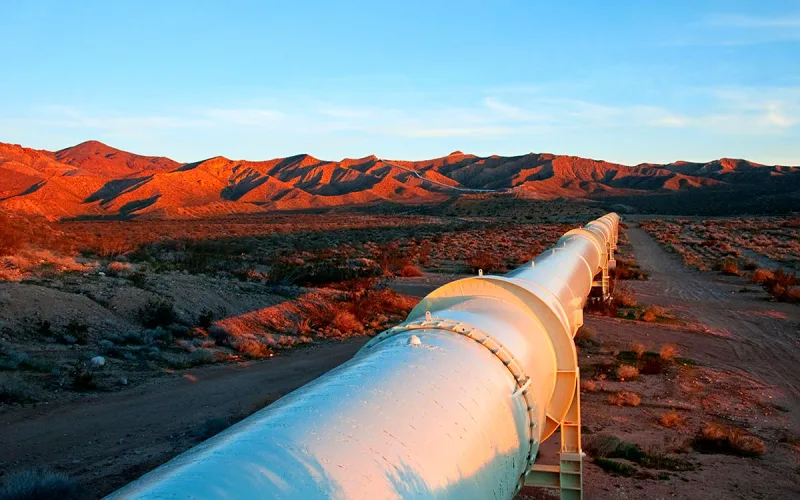
From November 17 to 20, officials from Sonatrach, its subsidiary ENAC and Algeria’s Ministry of Hydrocarbons carried out a mission in Niamey. According to a statement published on November 19, the discussions focused on speeding up technical studies for the Trans-Saharan Gas Pipeline. Algiers notably wants to confirm a route modified by the Nigerien authorities, assess the consequences of the changes and prepare to set up an ENAC branch in Niger.
On Bladi.net : Algeria plans troop deployment in Niger as rivalry with Morocco intensifies
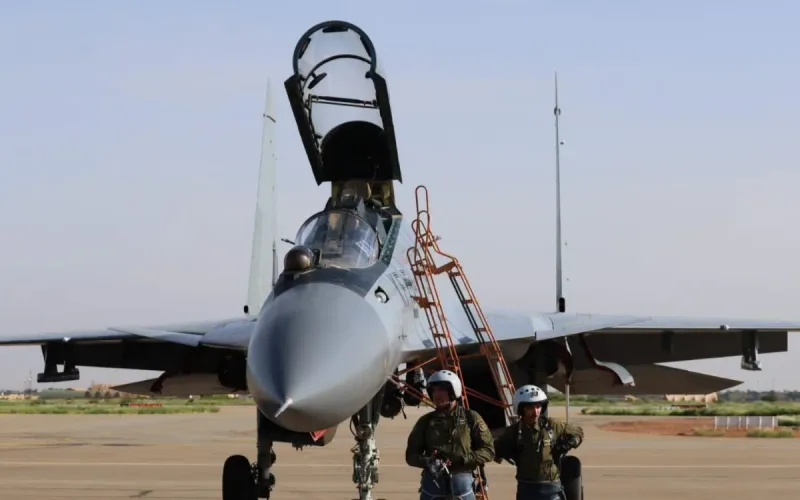
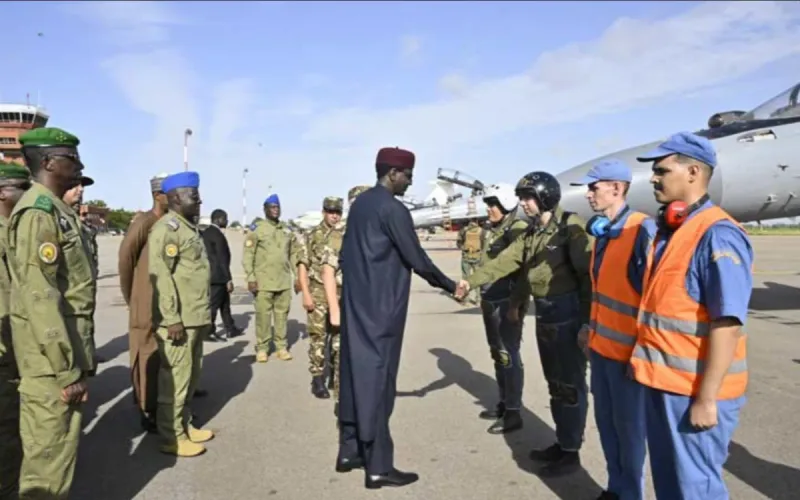
This energy push comes less than a month after a major shift in Algeria’s military policy. On October 25, Parliament authorized the deployment of troops to Niger, following the deployment of four Su-30 fighter jets to Niamey in late August. On October 30, Reuters reported the arrival of a first Algerian military convoy in Arlit, in the north of the country. The Algerian authorities justify the operation as necessary to protect their economic and energy interests.
In an analysis released on November 20, specialists from International Crisis Group describe a shift in Algiers’ military doctrine. The Algerian army can now intervene beyond its borders to secure strategic interests. According to remarks by analyst Michaël Ayari reported by Mondafrique, this new approach is also part of the competition between future African energy corridors, including the one backed by Morocco.
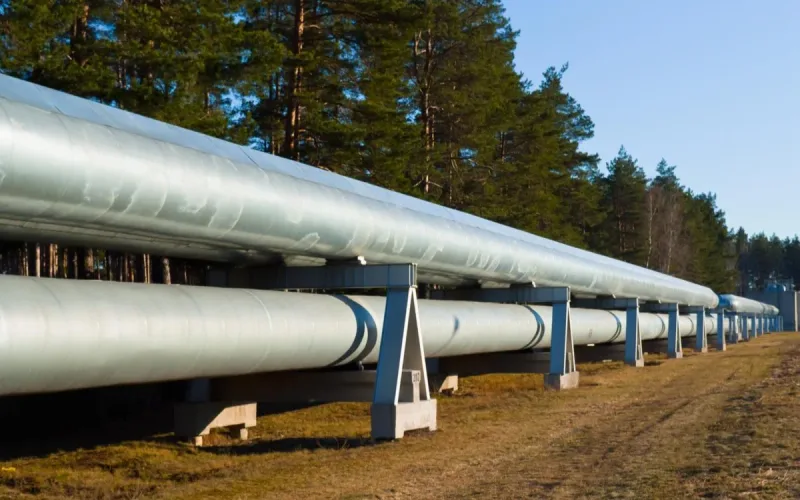
The Trans-Saharan Gas Pipeline is intended to link Nigeria to Algeria through Niger, before connecting to export networks to Europe. Sonatrach announced in June that work had begun on the Algerian section. The November mission shows that the route through Niger still requires studies and adjustments.
In response to this project, Rabat is backing a different route, about 6 800 kilometers long, running along the Atlantic coast of West Africa. On July 19, ECOWAS member states signed an intergovernmental agreement in Freetown setting out the framework for developing the Nigeria–Morocco gas pipeline. The project, backed by ONHYM and Nigerian company NNPC, still has to clear the financing and final investment decision stages.
Algeria’s interests in Niger also extend to oil. At Kafra, Sonatrach launched a four-well exploration campaign in August to assess the resources and their economic viability. The military presence announced by Algiers thus accompanies several energy projects that are still under development.
On Bladi.net : Morocco $26 billion pipeline Washington financing deal
Niger also maintains relations with Morocco. On November 3, Morocco’s ambassador in Niamey met with the president of Niger’s National Observatory of Communication. According to the Nigerien Press Agency, the discussions focused on strengthening cooperation between the two countries, particularly in media and training. The meeting comes as Niamey strengthens its military and energy ties with Algiers.