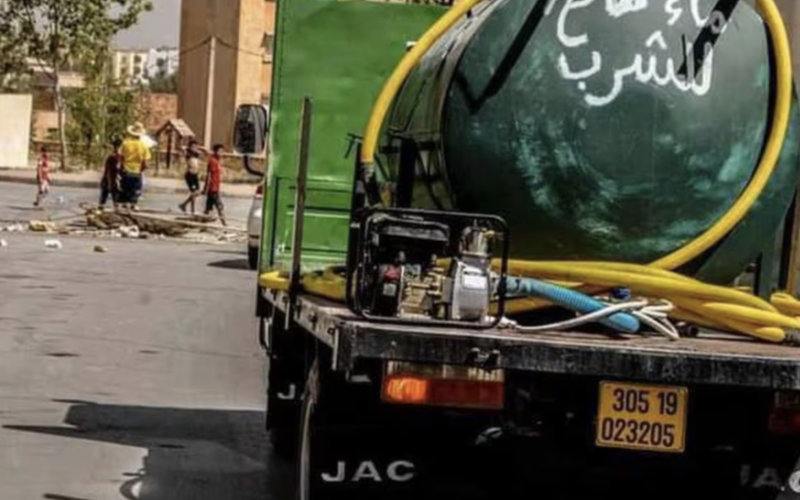
Algeria Blames Morocco for River Pollution as Studies Point to Local Sources
Five Algerian ministers traveled to the Moroccan border on Tuesday to denounce pollution they described as a “systematic act of aggression.” Morocco is directly accused. But studies by Algerian researchers tell a more complex story, in which industrial and domestic discharges from Maghnia, on the Algerian side, also feature.
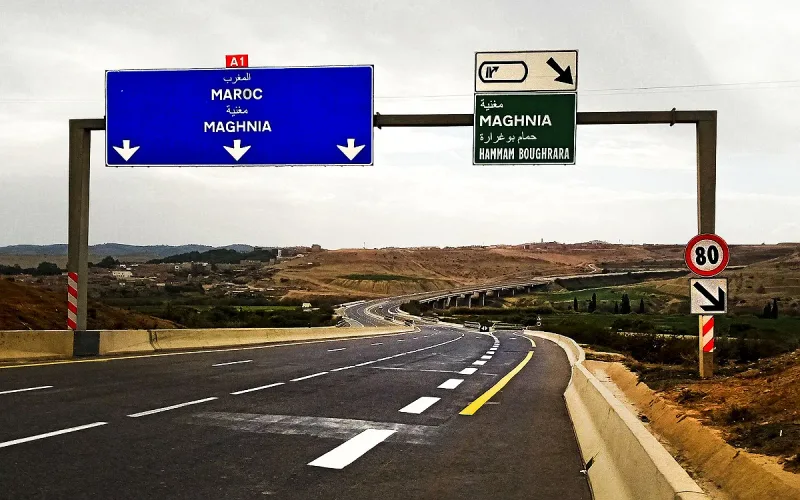
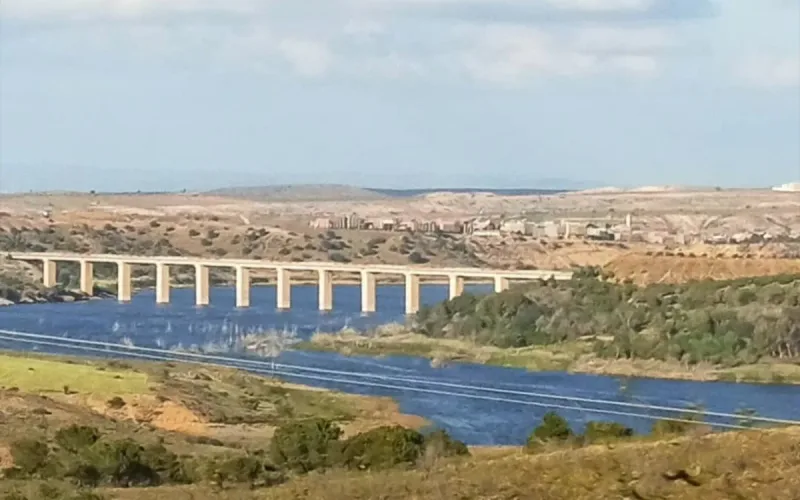
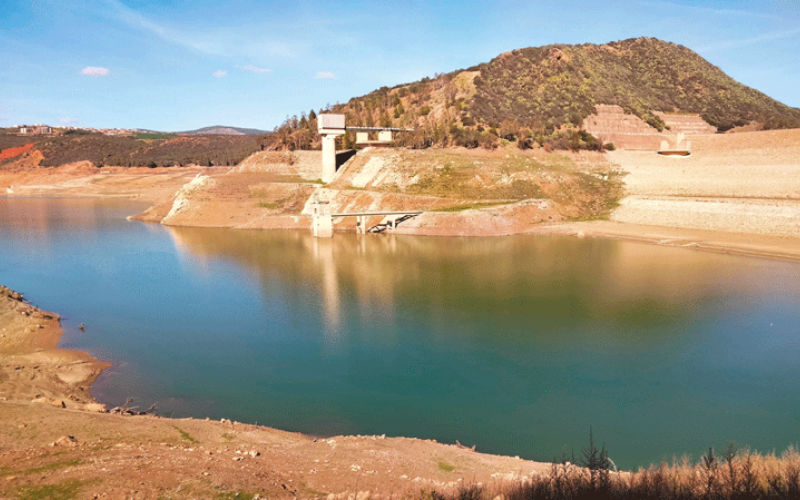
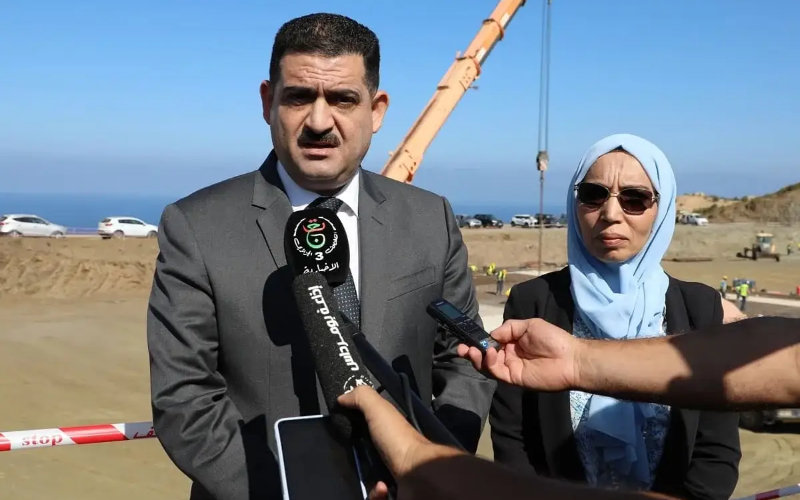
In Algiers, even polluted water seems to have a nationality. On Tuesday, November 10, a delegation of five ministers, sent on the instructions of President Abdelmadjid Tebboune, traveled to the Tlemcen region to inspect the deterioration of several waterways feeding the Hammam Boughrara dam. Morocco has been singled out as responsible and accused of dumping pollutants into them.
Algerian Interior Minister Brahim Merad gave the matter a much more political dimension. According to him, this pollution “is not accidental and constitutes a systematic act of aggression.” He announced that the authorities would take the necessary measures, in coordination with national and international bodies, to protect the population and the environment.
On the ground, analyses presented to the delegation showed high concentrations of nitrites, a drop in dissolved oxygen, and the presence of heavy metals as well as pharmaceutical residues. The environmental problem is serious, with potential consequences for agriculture and water resources. The precise contribution of each source of pollution remains to be determined.
When Algerian researchers complicate the narrative
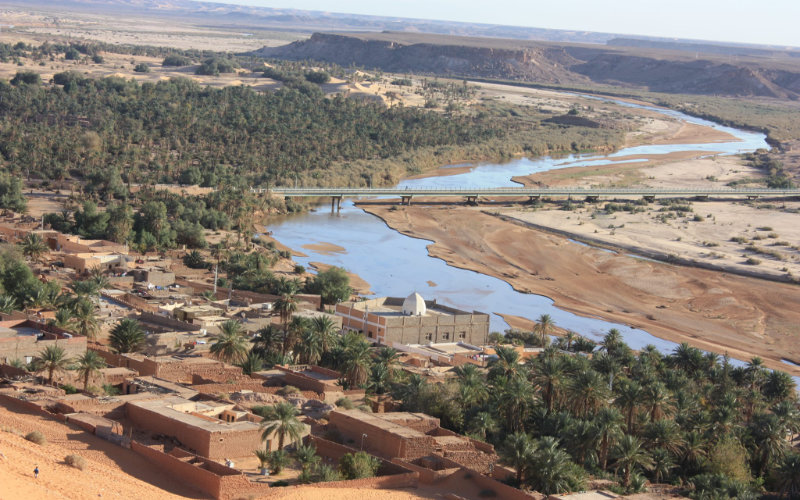
The Oued Mouilah has one inconvenient feature for one-sided accusations: its basin receives discharges from both sides of the border. Researchers from the University of Tlemcen, including Lotfi Benadda, had already explained this in a study on pollution in Maghnia and Oujda. They identified industrial, agricultural and urban discharges from both cities.
More recently, a university study defended in Tlemcen in September 2024 documented pollution in Oued El Abbès, a tributary of the Mouilah in the Maghnia region. The analyses revealed domestic and industrial discharges, as well as contamination linked to agricultural activity. In other words, the sources of pollution identified by scientists do not stop at the Moroccan border.
On Bladi.net : Algeria Blames Moroccan Businesses for Dam Pollution, but Researchers Question the Claims
Most surprisingly, Algeria’s official news agency APS itself provides part of the explanation. In its account of the ministerial visit, it details several projects intended to treat Maghnia’s urban and industrial wastewater.
The city’s wastewater treatment plant, with a capacity of 29,000 cubic meters per day, is to be rehabilitated at a cost of 1.3 billion dinars. Expanding it to 60,000 cubic meters per day represents an additional investment of three billion dinars. Another project, valued at 250 million dinars, aims to collect industrial wastewater from the Ouled Mimoun zone and channel it to the Maghnia plant.
Algiers’ accusations concern discharges from Morocco, whose origin is supported, according to the Algerian press, by samples taken at the border in 2026. Earlier studies, however, show that the basin is exposed to several sources of contamination. As for Brahim Merad’s allegation that the pollution was deliberate, that is a separate claim from the scientific findings.
Hydraulics Minister Lounès Bouzegza, for his part, says the treatment processes ensure that water supplied to the 14 municipalities served by the Hammam Boughrara dam meets standards. The delegation also reviewed a program to treat urban and industrial discharges, including more than 20 kilometers of additional pipelines around Maghnia.