Algeria Blames Moroccan Businesses for Dam Pollution, but Researchers Question the Claims
Algeria has accused hundreds of businesses in the Oujda region of polluting the Hammam Boughrara dam. At a conference in Tlemcen, striking figures were cited. Researchers have provided more precise measurements and corrected a geographical confusion.
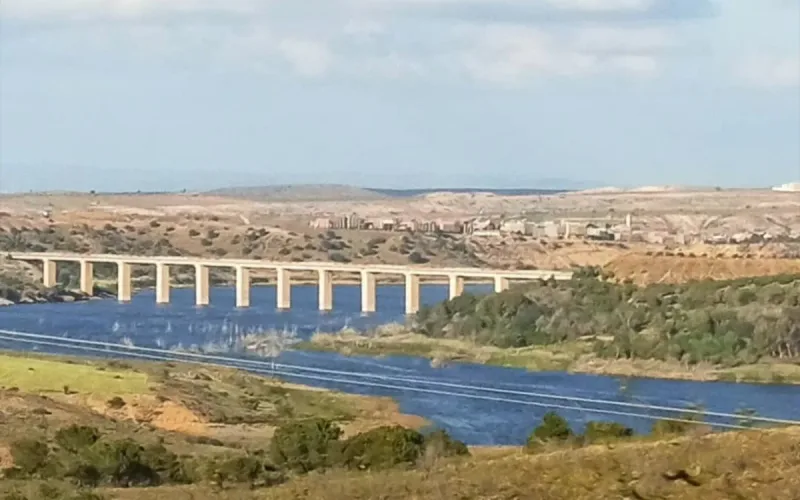
Four hundred Moroccan industrial facilities and pollutant levels reaching 400 times the standards: these accusations were presented on Monday, October 26, at a conference on transboundary waters in Tlemcen. The daily newspaper El Khabar attributes them to a film screened for participants.
The report locates the pollution on the Moulouya. However, the Algerian Hammam Boughrara dam receives water from the Oued Mouilah, among other sources. The river runs through the Oujda region before joining the Tafna basin. The Moulouya, meanwhile, flows into the Mediterranean in Morocco.
In an investigation published the same day by CapDZ, hydrologist Lotfi Benadda refers to more than 400 facilities near the border, in sectors including food processing, building materials, metallurgy and chemicals. This count covers businesses operating in the area; it does not identify an equivalent number of industrial discharges responsible for the pollution.
Precise measurements, multiple sources of pollution
Benadda cites biochemical oxygen demand levels approaching 900 mg per liter, compared with reference values of 15 to 30 mg. This indicator measures the organic load in water. The figure of 400 times cited at the conference is not accompanied by information about the substances measured or the thresholds used.
The dam’s director, Sofiane Naït Amar, also points to wastewater and industrial effluent from the Oujda region. The reservoir is at 30% capacity, or 49 million cubic meters, he says.
A 2025 university study documents degradation linked to human waste discharges, agricultural practices and seasonal variations. Mohamed Zitouni, a former dam official, also recalls historical urban and industrial pollution around Maghnia, on the Algerian side.
The Tlemcen conference runs until October 29. Researchers are calling for more sampling and for the current sources of contamination to be identified, on both sides of the border.