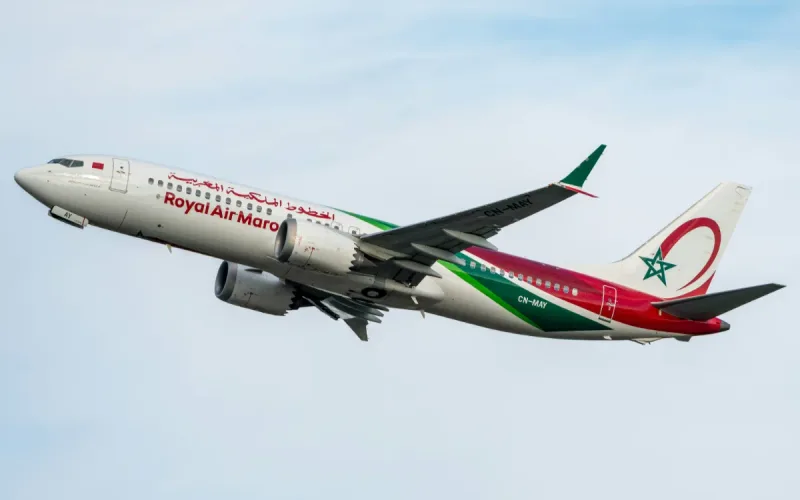
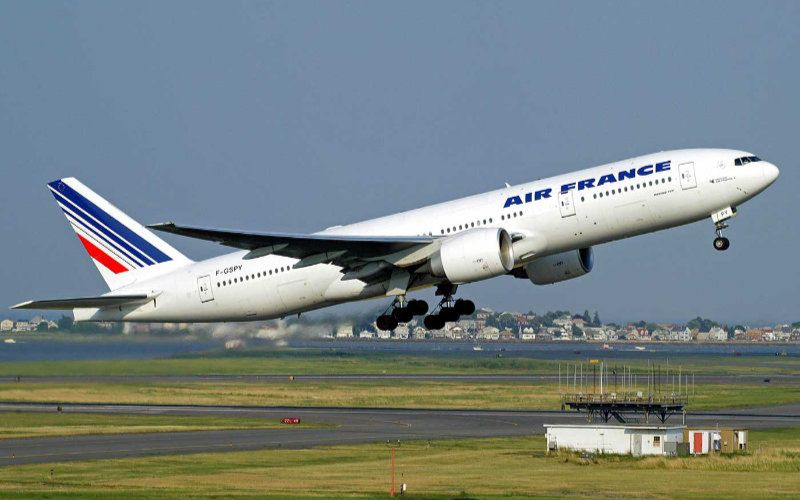
Air France bars some dual nationals from Tel Aviv flights under Israeli rules; Moroccans exempt
Air France is applying an Israeli directive excluding certain nationalities from its flights to Tel Aviv. Franco-Algerians and Franco-Tunisians are affected, even if they hold a French passport. Franco-Moroccans are exempt from the controversial measure, which has angered unions.

A Franco-Moroccan pilot can operate an Air France flight to Israel. His Franco-Algerian or Franco-Tunisian colleague can no longer do so. This difference in treatment stems from a directive imposed by the Israeli authorities, targeting nationals of 31 countries. Reported on October 10 by Mediapart, the instruction was relayed in an internal memo sent to pilots and cabin crew at the French airline.
On Bladi.net : Israel announces opening of embassies with Morocco, but Rabat has yet to confirm anything
Israel’s criterion is diplomatic. Crew members who hold the nationality—even in addition to French nationality—of a country without official diplomatic relations with Israel can no longer take part in the flights concerned. Algeria, Tunisia, Libya, Iran, Pakistan and Oman are among the countries targeted.
Morocco, however, is not on the list. Since restoring diplomatic relations with Israel in December 2020, the Kingdom has belonged to the category of countries whose nationals remain authorized to operate these routes. An employee with dual French-Moroccan nationality is therefore not subject to the ban solely on the basis of their Moroccan nationality.
The distinction has sparked controversy in France, where unions are denouncing different treatment of employees performing the same duties and holding the same professional qualifications.
Air France faces criticism over discrimination
Israel adopted the directive after a serious incident on September 30 aboard a Flydubai aircraft flying from Dubai to Tel Aviv. According to Emirati and Israeli authorities, an Omani co-pilot assaulted the captain and attempted to cause a crash. The aircraft was eventually diverted to Saudi Arabia.
Israel’s Transport Ministry subsequently conveyed its new requirements to foreign airlines. Air France warned its employees that failure to comply could result in sanctions. The airline’s management says it is “required to comply with the admission rules” set by the countries it serves.
The CGT strongly disputes this position. The union calls the measure “particularly serious and unacceptable,” saying it runs counter to French principles of non-discrimination. The pilots’ union Alter also opposed a procedure that would have required affected employees to declare their second nationality themselves. Management ultimately abandoned the procedure.
On Bladi.net : Rabat and Tel Aviv pave the way for embassies as Morocco’s streets mobilize
The controversy could now move to the courts. Speaking to Al Jazeera on October 13, French lawyer Clara Gandin said excluding employees from certain rotations solely on the basis of their nationality constitutes direct discrimination, even without any loss of pay.
Air France confirms that it is applying the new Israeli restrictions and has informed its staff. The airline must therefore contend with two potentially conflicting requirements: the conditions imposed by Israel for access to its airspace and French rules protecting employees against discrimination based on their nationality.