Morocco
EU-Morocco Trade Tensions Simmer as Tomato Wars Heat Up
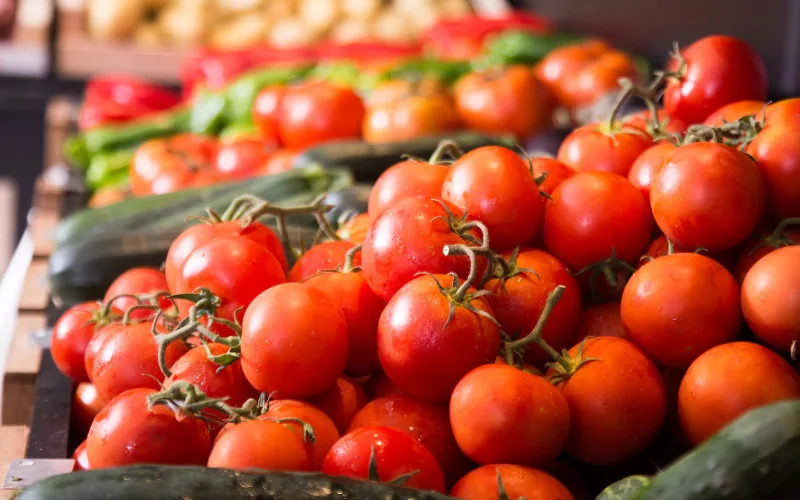
The Moroccan tomato is still in the sights of French farmers who do not wish for a resumption of the fishing and agricultural trade agreements between the EU and Morocco.

The Moroccan tomato is still in the sights of French farmers who do not wish for a resumption of the fishing and agricultural trade agreements between the EU and Morocco.
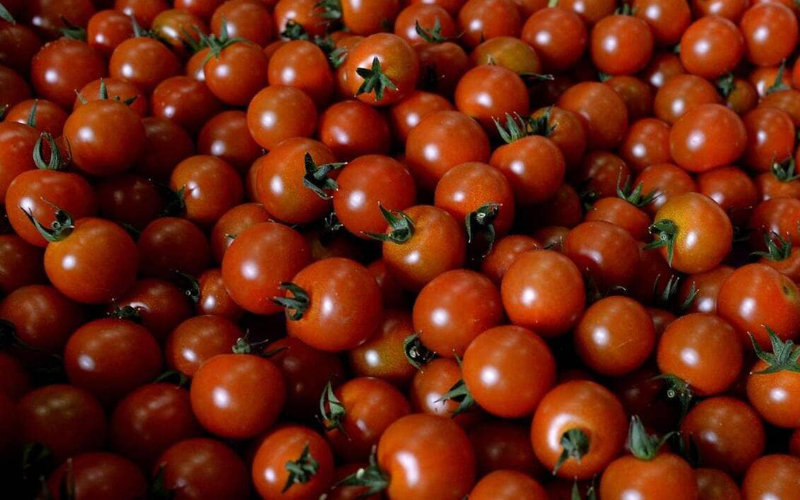
The information relayed in the European press and Moroccan media concerning a general suspension of imports of Moroccan cherry tomatoes following a health alert issued in the Netherlands is false.
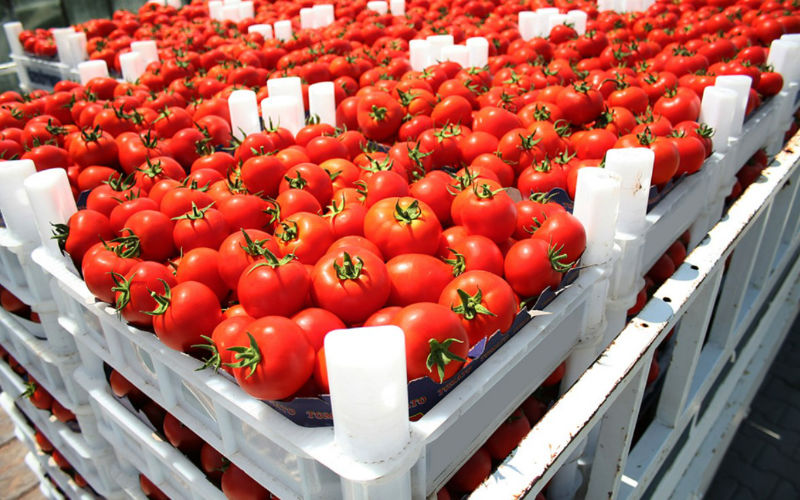
The European Union’s Rapid Alert System for Food and Feed (RASFF) has issued a notification concerning cherry tomatoes originating from Morocco. The alert, described as "serious", follows the detection of contamination by an unidentified metal in a batch imported to the Netherlands.
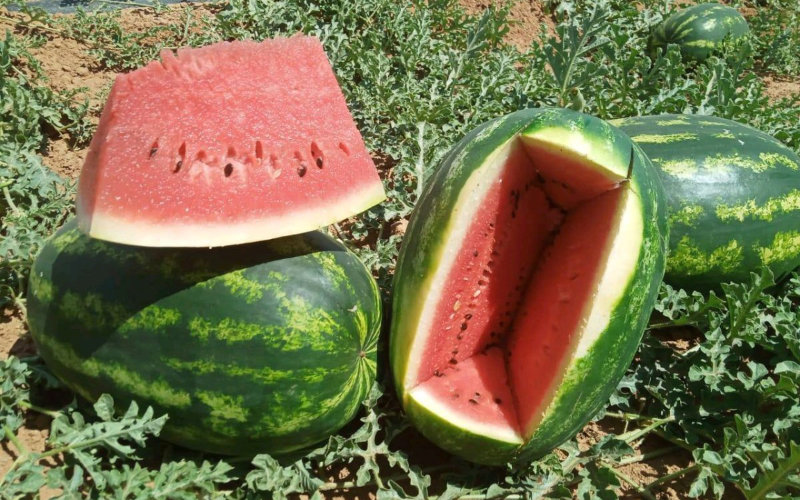
In the Tassrirt region, near Ouarzazate, residents and civil society actors are sounding the alarm about a growing environmental threat: the depletion of the water table. They point to the "irrational" expansion of watermelon cultivation, driven by foreign investments, in a region already weakened by drought.
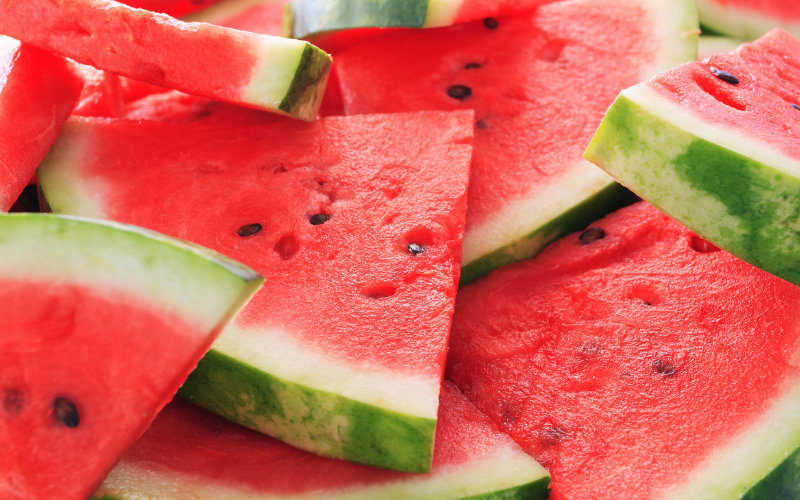
Morocco is on the verge of supplanting Spain, the leading supplier of watermelons to the European Union (EU). This is evidenced by the exports of the two countries in the first half of 2025.
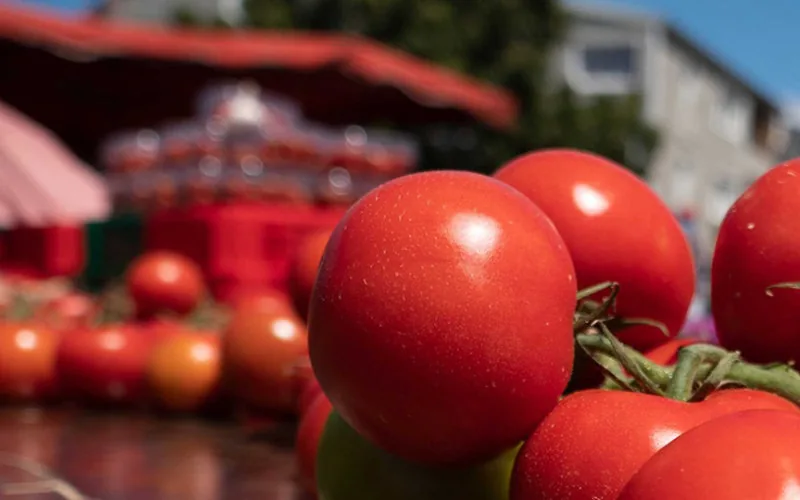
The Moroccan tomato continues to dominate the Spanish and European market, much to the chagrin of Spanish producers. Morocco’s exports to the European Union continue to increase.
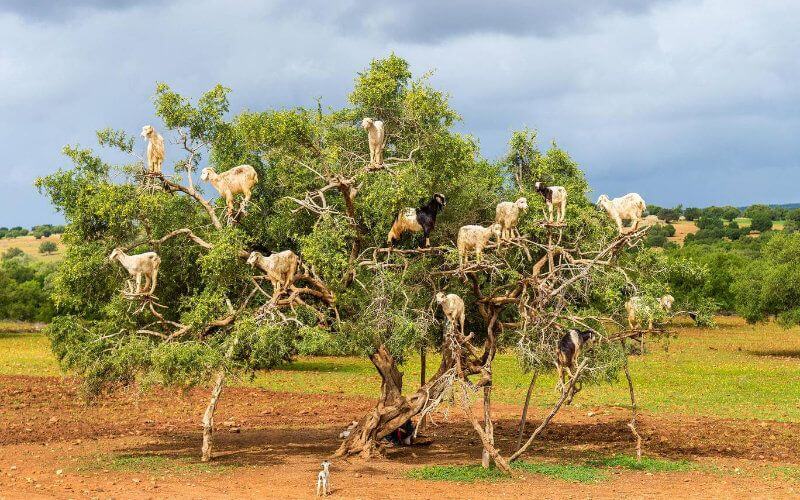
In Morocco, the argan industry is struggling due to the drought. This is negatively impacting the argan tree, which is no longer producing enough fruit as it once did.
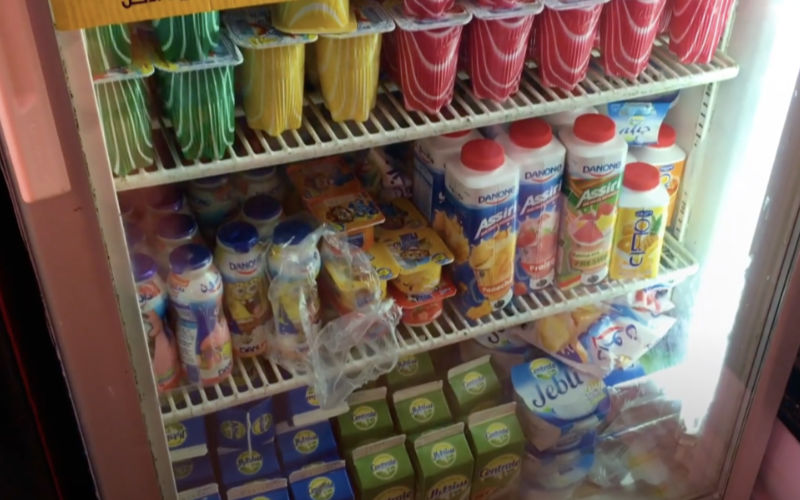
The target of a spontaneous boycott campaign launched on social networks a few years ago, Centrale Danone, a subsidiary of the French food giant in Morocco, lost hundreds of millions of euros. A look back at a campaign that made history.
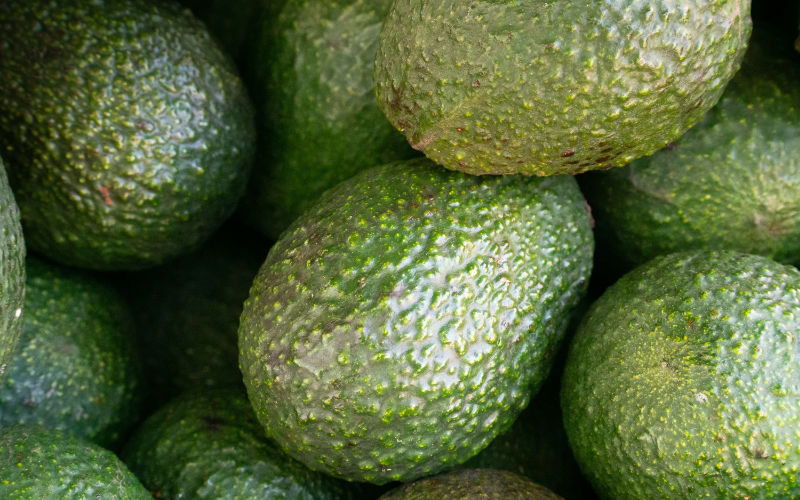
In Morocco, the avocado production sector, like many other sectors, has been severely affected by the wave of extreme heat and the "Chergui" phenomenon that has hit the kingdom this summer.

Even though Spain produces a variety of fruits and vegetables, many Spanish merchants and supermarkets believe it is more profitable to sell those of Moroccan origin. This is what a fruit seller affirmed in a video published on social media, sparking a lively controversy.
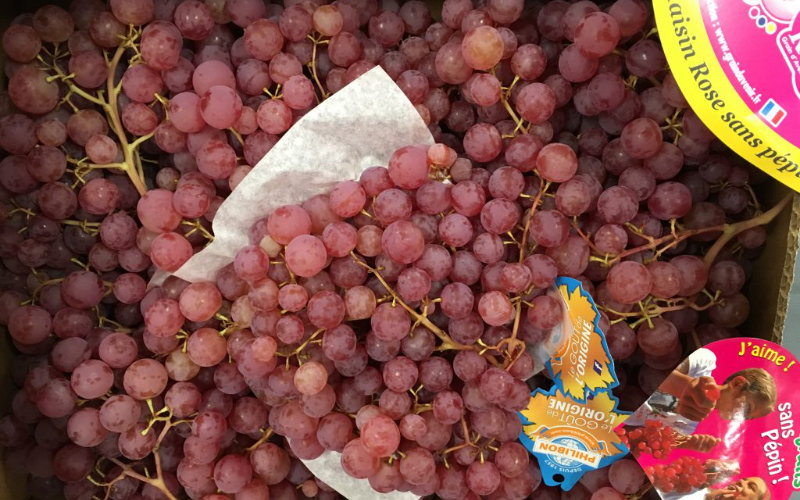
Pascal Testut, a farmer in Castelnau-Montratier, has been producing pink grapes, a heat-resistant variety he discovered in Morocco, for the past six years. A risky but successful bet that has allowed him to save his farm.
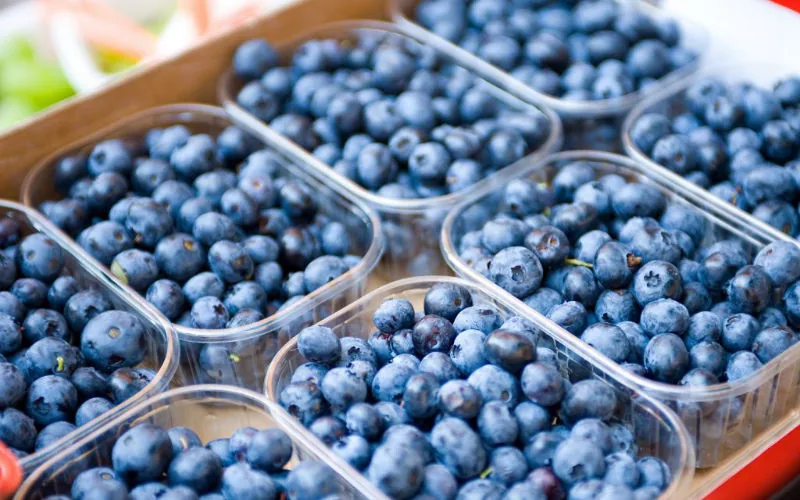
Morocco has moved from 7th to 4th largest exporter of blueberries in the world in 2024, with 83,000 tons exported compared to 636 in 2009, an average annual increase of 43%.