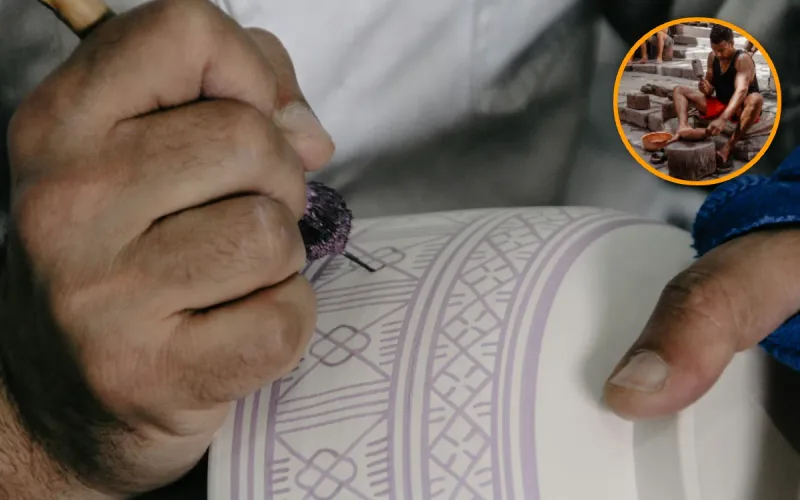
Why Rabat is dethroning Marrakech in the hearts of travelers
Rabat, the Moroccan capital with a rich millennial heritage, is opening up more to international tourism thanks to new air links. Between Andalusian tradition and architectural modernity, the Atlantic city is establishing itself as a serene alternative to the classic imperial destinations.
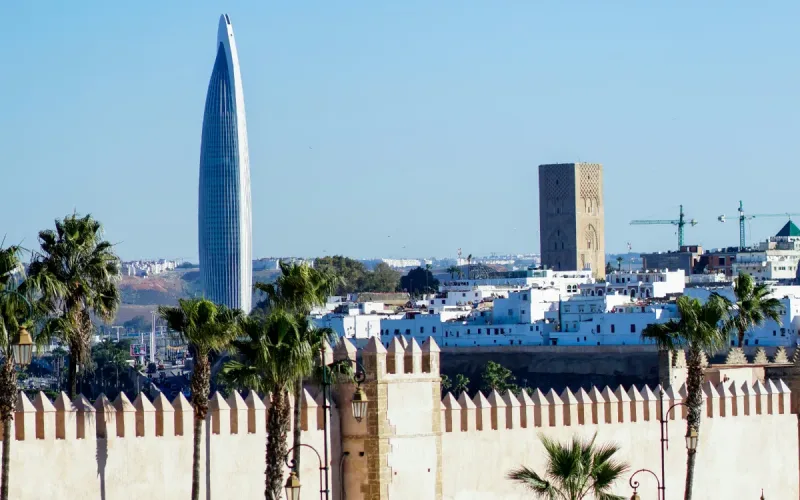
Located on the Atlantic coast, Rabat is emerging from the shadow of Marrakech and Fez to assert its status as a flagship destination. The opening of a direct line by British Airways from London Gatwick facilitates access to this capital where millennia-old history meets contemporary dynamism, offering an immersion between ancient ruins and a vibrant medina.
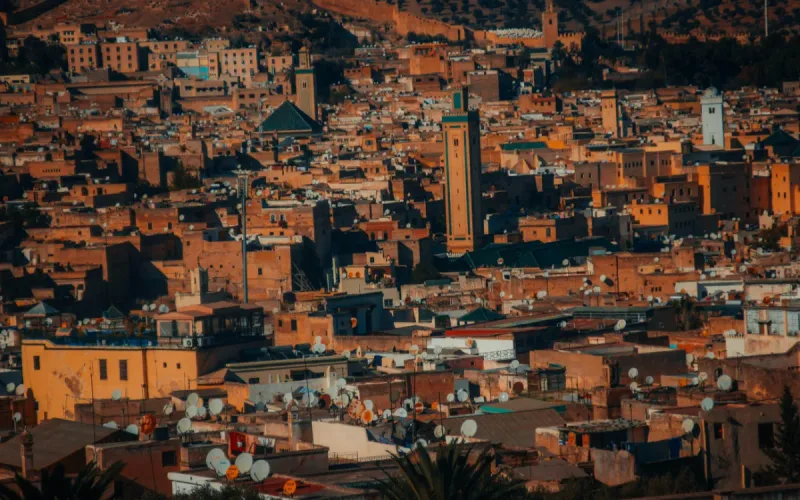
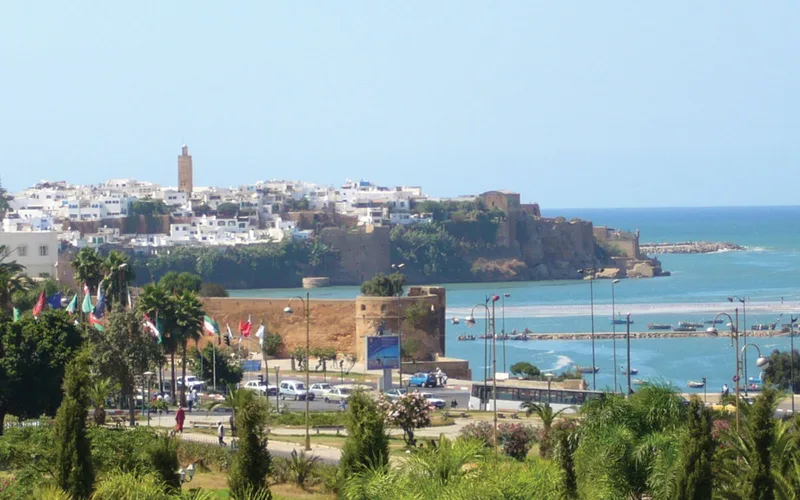
Inscribed on the UNESCO World Heritage List, the 17th century medina bears witness to the legacy of the Andalusian Moors with its terracotta ramparts and artisanal souks. Higher up, the Kasbah of the Oudayas, a citadel from the Berber era, unfolds a labyrinth of white and cobalt blue alleys where mint tea is savored facing the vastness of the ocean.
The urban landscape is marked by the unfinished 12th century Hassan Tower, a minaret surrounded by stone columns, a vestige of a monumental mosque project. This historic site now dialogues with the Grand Théâtre de Rabat, a futuristic work by Zaha Hadid and the largest scenic complex in Africa, whose curves recall the Sydney Opera House. Tourism in Rabat: UNESCO World Heritage and Atlantic modernity
The contrast between the old and the new continues in the "Ville Nouvelle", a French legacy with its wide tree-lined boulevards and chic shops. This airy district also houses the Mohammed VI Museum of Modern Art, a white sanctuary dedicated to national and international contemporary creation, illustrating according to The Daily Mail the permanent reinvention of the capital.
On the southern edge, the Chellah site gathers Roman and Merenid ruins within a sacred necropolis renowned for being one of the most beautiful sets of ruins in the country. Rabat also stands out as one of the greenest regions of Morocco, thanks to the Ibn Sina forest and its golden beaches conducive to surfing or horseback riding.
Renowned for its cleanliness and safety, Rabat is particularly appealing for stays in the spring, with temperatures ranging between 21 and 24°C. Local experiences, such as traditional cooking classes or shopping for decorative objects in the hidden alleys of the medina, make the city a privileged stopover for authentic exploration.