Vox’s proposal to review 300,000 naturalizations alarms Moroccan families in Spain
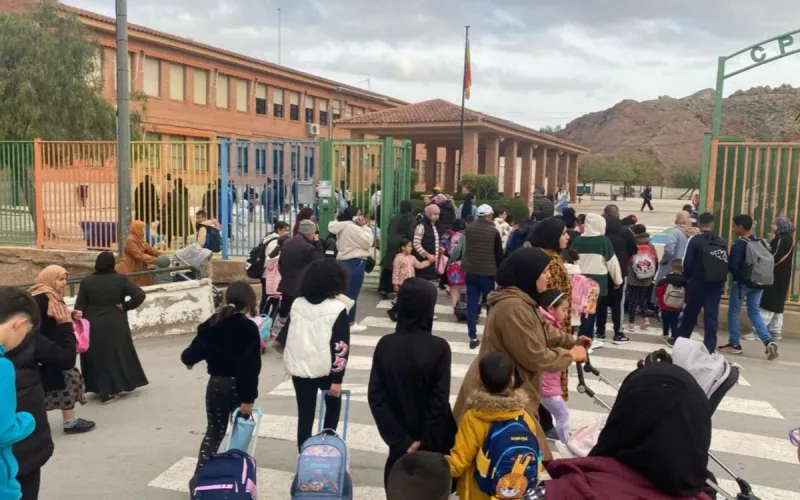
In Torre-Pacheco, in southeastern Spain, the racist violence of July 2025 has left its mark. Two days before the general election, residents from the Moroccan community describe their concerns about Vox’s rise and the party’s immigration proposals.
Naima, 53, has lived in Spain for thirty years. When she arrived, she felt welcomed and had never experienced racism. Today, she sees a change in attitudes toward immigrants. Some of her relatives say they face hostile stares or inappropriate gestures. She attributes this shift to political rhetoric on immigration.
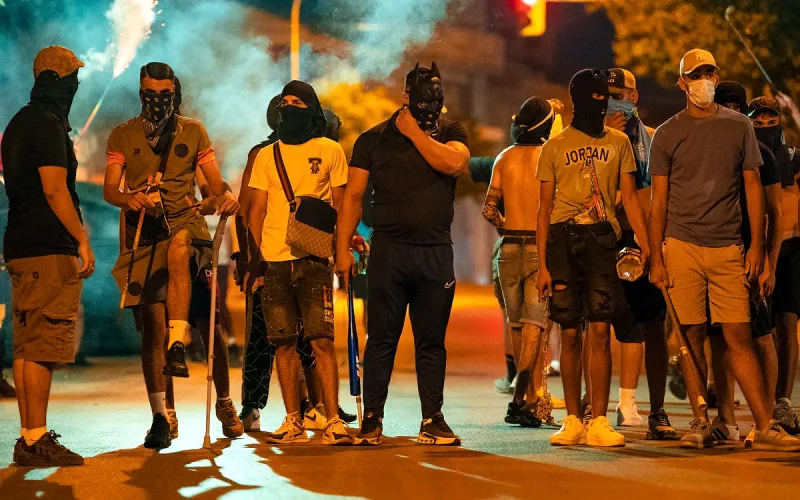
In this agricultural town of 42 000 residents, nearly a third of whom are immigrants, the clashes of July 2025 remain fresh in people’s memories. Groups from several regions of Spain had roamed the streets looking for people of foreign origin, sparking violence and several arrests.
“Many people are afraid of Vox,” café owner Allal Abourayane told the Guardian. He says families are particularly worried about what the party’s possible participation in government could mean for their children’s future.
Measures that directly affect Moroccan families
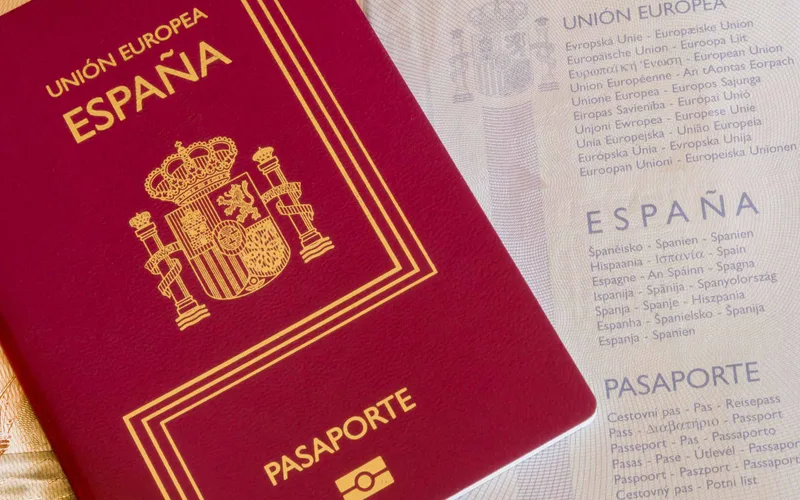
Ahead of the November 29 vote, Vox is proposing, among other measures, to review more than 300 000 naturalizations of people of Moroccan origin and tax money transfers abroad.
In the Murcia region, some of the party’s demands have already been implemented. In 2025, the regional government scrapped an after-school program teaching Arabic and Moroccan culture that served around 350 children, following a budget agreement between the People’s Party and Vox.
On Bladi.net : Vox plan could make money transfers from Spain to Morocco more expensive
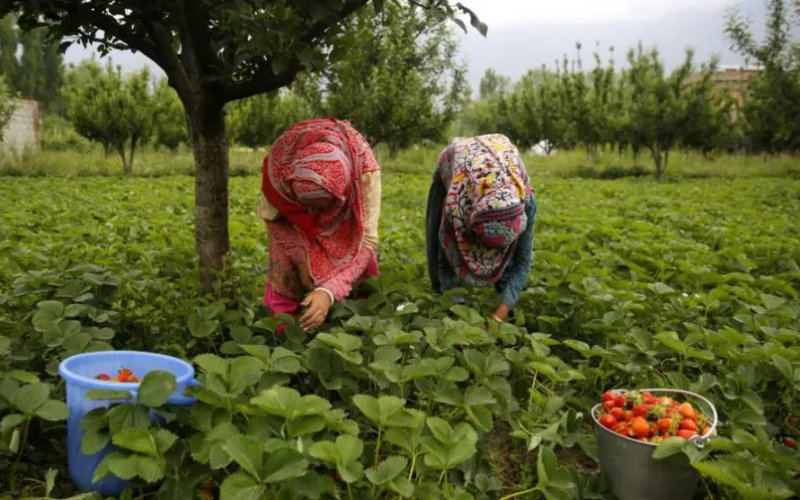
Ousama Alalo, a political scientist from Torre-Pacheco, believes immigrants are becoming bargaining chips in political negotiations. Nabil Moreno, president of the Al Manar Islamic community, points out that many families have lived in the town for thirty or forty years. They work in agriculture, among other sectors, which is vital to the local economy, and have helped develop it.