Virus-Laden Tomatoes Spark Agricultural Crisis at Russian Border
Russian authorities have intercepted and seized a large shipment of contaminated Moroccan tomatoes upon arrival at the temporary storage warehouse "Sirius" in the Kaliningrad region.
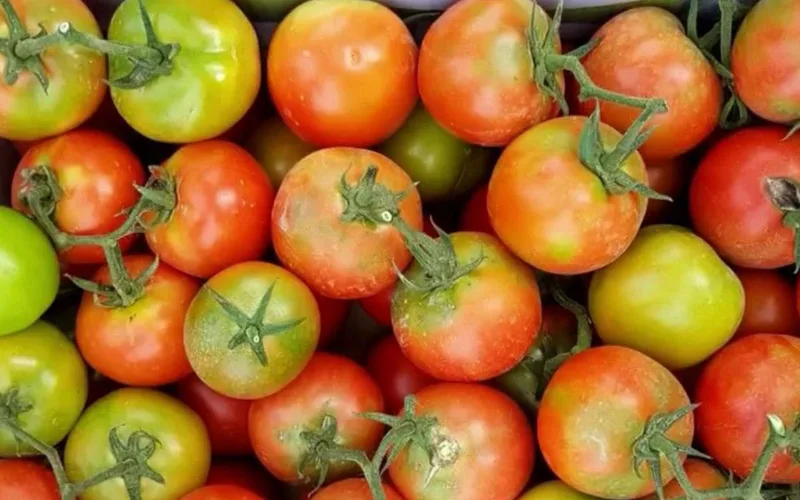
Phytosanitary analyses have revealed that the cargo was contaminated by two viruses: the brown rugose fruit virus and the pepino mosaic virus. The laboratories of the Federal Agricultural Research Institute in Kaliningrad have confirmed these contaminations, thus preventing the marketing of this cargo. Russian authorities justify this decision by the need to protect their agricultural lands against these infections. Since the beginning of this year 2025, 175 cases of tomatoes contaminated by these two viruses from Morocco, Tunisia and Turkey have already been recorded.
These measures aim to preserve agricultural security and prevent the spread of plant diseases that could threaten local production, it is indicated. "The announcements of the European Preparedness Authority have become well known to Moroccans, as they frequently publish denials of access to agricultural products to the European market after the discovery of dangerous substances exceeding the standards agreed at the international level, which leads the consumer to question the quality of the health control of products sold on the domestic market," said Dr. Bouazza Kherrati, president of the Moroccan Federation of Consumer Rights, denouncing "the legal loophole that excludes unpackaged fresh agricultural products, i.e. all fruits and vegetables, from health monitoring."
Kherrati also emphasizes the consumer’s powerlessness in the face of this problem. "The consumer can only use alternatives to reduce the toxic substances present on the surface of the product, while what is inside the fruits cannot be eliminated by anyone," explains the president of the Federation, who believes that it is urgent to thoroughly review the national health control mechanisms in order to protect the Moroccan consumer and preserve the reputation of agricultural exports, which are an essential pillar of the kingdom’s economy.
Regarding the detected viruses, they only affect plants and cause fruit deformations by reducing their size and quality, which negatively impacts agricultural production and tomato exports. These viruses also make the products more fragile during transport and storage. While these viruses pose no direct health risk to humans, residues of pesticides or chemicals used to combat them may remain on the fruits. Thorough washing of vegetables and fruits is therefore recommended before consumption to ensure consumer safety.