
US Mediation, Morocco-Algeria Talks and the Future of Western Sahara
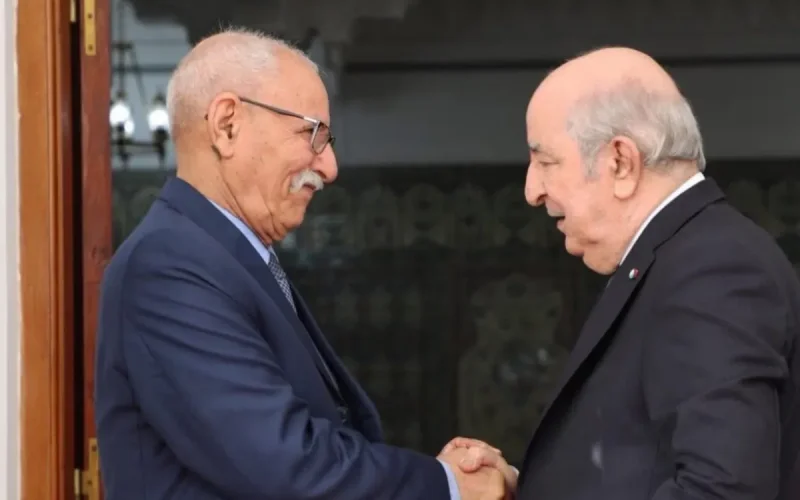
Under the impetus of the Trump administration, the Madrid talks mark a turning point in the Western Sahara conflict. By bringing Algeria back to the negotiating table, the United States is attempting to break a decades-old stalemate.
At the beginning of February 2026, the United States officially assumed its role as mediator by facilitating direct talks in Madrid between Morocco, the Polisario Front, Algeria and Mauritania. Led by Massad Boulos and Mike Waltz, these meetings mark an “unprecedented change,” moving away from the endless search for a settlement led by the UN. This initiative implements Security Council Resolution 2797, adopted last October, which welcomed Washington’s readiness to advance a lasting political solution.
On Bladi.net : Sahara Talks: Washington Pushes Morocco and Algeria Toward a Swift Deal
The inclusion of Algeria in this process is described by Al Majalla magazine as a “significant achievement.” Although Algiers insists on its status as a “regional observer” and denies being a party to the conflict, its presence was secured through a combination of pressure and diplomacy. Threats from the US Congress to sanction arms transactions with Russia and designate the Polisario as a terrorist organization played a role, but the Trump administration also managed to persuade Algeria by recognizing the priorities of its own elite.
Washington’s reasoning rests on a simple observation: the Polisario’s growing dependence on its neighbor. Diplomatic support for the Sahrawi Arab Democratic Republic (SADR) has eroded considerably over time. As the analysis notes, “in the 1970s, more than 80 countries recognized the SADR; since then, more than 50 of them have withdrawn their support.” In this context of diplomatic isolation, Algiers’ material and symbolic backing has become vital to the separatist movement.
Refugees, borders and consultation mechanisms
The issue of the “refugees” in the Tindouf camps remains one of the major points of friction. Figures vary widely, from the “174,000 according to the latest Sahrawi Refugee Response Plan” to the 40,000 recorded by other sources. Beyond the figures, the challenge lies in securing these populations’ acceptance of integration—even under expanded autonomy—within the Moroccan monarchy. For Washington, the task is to find common ground that respects the dignity of the Sahrawis while recognizing Moroccan sovereignty.
Algiers nevertheless views this conflict through the prism of its own history, defending a “postcolonial principle of self-determination” rather than a simple guerrilla struggle. This position is coupled with extreme sensitivity regarding its borders, as illustrated by the arrest of writer Boualem Sansal following his criticism of the border demarcation with Morocco. For Algeria, the existence of a buffer territory may be seen as a security guarantee vis-à-vis its Moroccan neighbor.
On Bladi.net : Western Sahara: Washington pushes Morocco and Algeria toward a final deal
To break the deadlock, US diplomats are considering a “consultation mechanism” for the Sahrawi population, including the refugees from Tindouf, in order to shift Algeria’s position on Morocco’s 40-page autonomy plan. The objective is to ensure that any solution results from an inclusive dialogue, while assuring Algiers that its “postcolonial borders” are not under threat. Keeping the discussions discreet will remain key to building the trust needed for a definitive breakthrough.
Related Articles
-
220 dirhams on construction sites, up to 400 in the fields: Morocco lacks workers
25 August 2026
-

This Israeli company equips defense giants and also has clients in Morocco
24 August 2026
-

After three days in Algeria, a sanctioned Russian ship passes near Morocco
24 August 2026
-

In Brussels, a Moroccan name and being over 50: the profile most disadvantaged in hiring
24 August 2026
-
Morocco Has a New Billionaire Forbes Has Yet to Spot
24 August 2026