Undeveloped land in Morocco: the new tax that will hurt landowners!
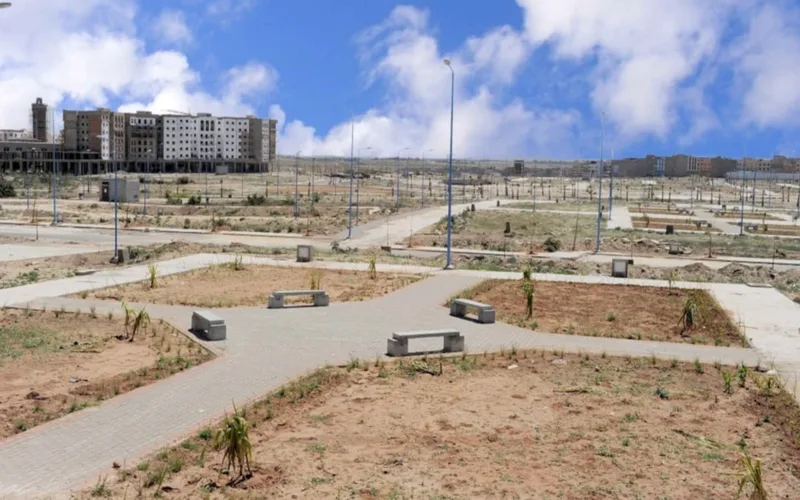
Morocco is activating its reform of the Tax on Undeveloped Land (TNB), introducing a tax directly linked to the actual level of infrastructure on the plots. This new system aims to penalize land retention and release land in major urban areas to curb the rise in real estate prices.
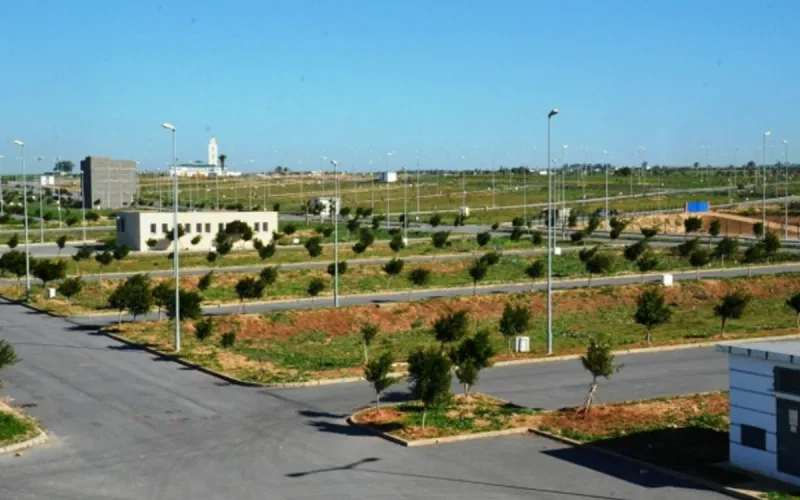
Law No. 14-25, adopted as part of the Finance Act, breaks with the former frozen administrative zoning. From now on, the amount of the tax depends on the actual availability of public infrastructure such as roads, sanitation, and access to water and electricity networks. This approach aligns the tax burden with the economic value and actual utility of urban land.
The new tariff schedule becomes progressive to adapt to the maturity of the territories. Land located in fully equipped areas is subject to a tax of between 15 and 30 dirhams per square meter. For areas with intermediate equipment, the rate ranges from 5 to 15 dirhams, while the least served plots benefit from a reduced regime ranging from 0.5 to 2 dirhams.
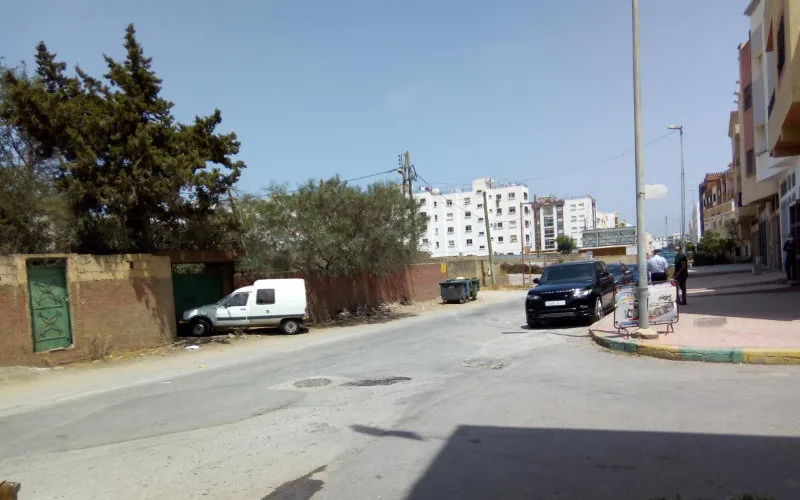
The executive primarily targets land speculation, responsible for an artificial scarcity of land in strategic regions such as Casablanca, Rabat or Tangier. By increasing the cost of holding land deliberately left fallow, the state encourages owners and developers to start construction or sell their assets, thus promoting the necessary urban densification.
Municipalities play a central role in this system, with the president of the municipal council being responsible for delineating the equipment zones. Their decisions are subject to the approval of the governor to ensure harmonization between the territories and limit the risks of disputes related to the administrative interpretation of the state of the infrastructure.
The legislative framework maintains measures to protect productive investment and avoid abuse. A temporary exemption of three years is thus granted as soon as a building permit is obtained, in order not to penalize ongoing projects. On the other hand, fiscal rigor applies as soon as the deadlines are not respected, thus securing local budget revenues.