Two Moroccans say Spain job offer led to 17-hour days and nights in a basement
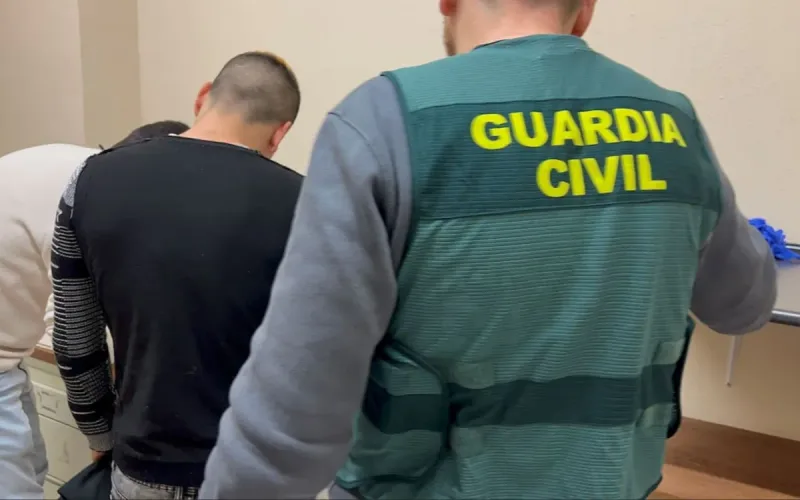
They had hoped for a good salary and legal status in Spain. Two Moroccans say they worked up to 17 hours a day at a business in Cantabria before sleeping on mattresses set up in the basement. The Guardia Civil is investigating two people suspected of human trafficking.
The offers promised higher pay than that typically offered in the restaurant industry and help with obtaining legal papers. Attracted by these conditions, the workers joined a business near Mioño, in northern Spain. They describe a very different reality.
Their day could start around 7 a.m. and run past midnight, with just one day off a week. In addition to restaurant duties, they were asked to perform personal services for the managers. At night, the two Moroccans shared mattresses in the business’s basement.
According to the Guardia Civil statement reproduced by Tribuna Benemérita, they were not registered with the Social Security system. On some days, they allegedly received nothing; occasional payments were far below the amounts promised.
Allegations of threats followed by human trafficking investigation
Several people interviewed also reported physical assaults, threats and humiliating treatment. Cameras installed inside the premises were allegedly used to monitor employees, according to statements provided to investigators.
The case began to emerge in October 2024, when a person contacted the Spanish Commission for Refugee Aid (CEAR). After initial interviews, the Guardia Civil connected the case with other complaints filed in different provinces. The two Moroccans were interviewed in Biscay.
Investigators found evidence that could identify them as potential victims of human trafficking for the purpose of labour exploitation. Cantabria’s specialist prosecutor’s office considered the evidence sufficient to bring the case before the courts.
The business, temporarily closed for health reasons, was subsequently transferred. The case was sent to the court in Castro-Urdiales. The Guardia Civil says potential victims can receive assistance and protection, even without a residence permit.