Twelve years held in Morocco by her father: Karima’s story returns before the Dutch Senate
Karima Ouchan was growing up in the Netherlands when her father took her to Morocco. She remained there for twelve years, forced to perform household chores and deprived of her freedom. Her story was raised this week in the Dutch Senate during a debate on prosecutions for human trafficking.
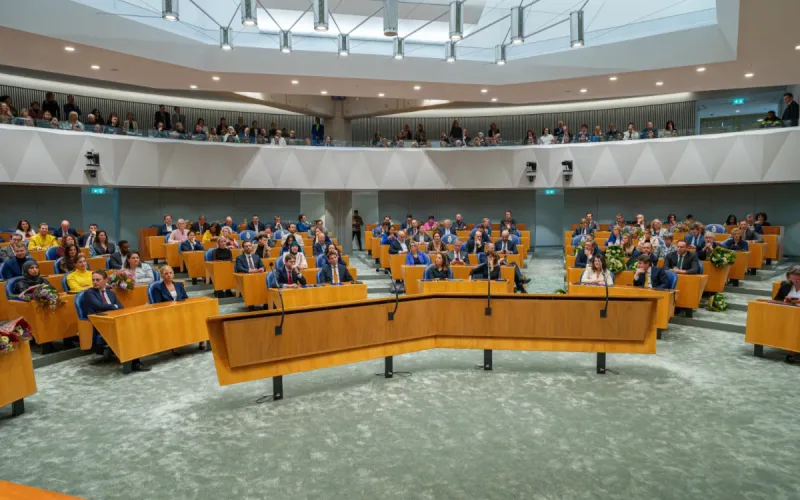
On Tuesday, September 22, Senator Boris Dittrich began his intervention by recounting Karima’s ordeal. According to the record of the session, she was in an examination class in Amersfoort when her father took her to Morocco. There, she was used as an unpaid domestic worker for her stepmother and suffered violence before managing to escape.
Karima was eventually able to return to the Netherlands following parliamentary questions and intervention by the Dutch authorities. Her story is not recent. If it is coming before senators again today, it is because it raises a question that remains current: how far can Dutch justice go in prosecuting someone who exploits a relative abroad?
On Bladi.net : Rachida Dati breaks her silence on her "forced marriage" of 1992
Dittrich emphasized that Karima and her father held Moroccan nationality, while the latter had a permanent residence permit in the Netherlands. He asked the Minister of Justice whether the law should be amended to guarantee the jurisdiction of Dutch courts in a case of trafficking committed outside the country.
The minister responds on acts committed abroad
Minister David van Weel replied that an amendment was not necessary on this point. According to him, the legislation currently in force already allows, under its conditions of application, the prosecution in the Netherlands of a Dutch national or a person with permanent residence in the country for acts of trafficking committed abroad. He clarified that it was not necessary for these acts to also be punishable in the country where they occurred.
Karima’s case raised a second question: can exploitation within a family constitute trafficking? Here too, the minister answered in the affirmative. He cited relationships between a father and his daughter, as well as marriages that were initially consensual but become situations of exploitation. The classification depends on the established facts, particularly the use of coercion or abuse of a position of vulnerability and the intention to exploit the victim.
On Bladi.net : Moroccan Parents Jailed in France for Forcing Daughter into Marriage Abroad
The senators were examining a bill intended to modernize the punishment of human trafficking and to better penalize serious forms of labor exploitation. The debate on September 22 did not lead to a vote on the text: it was postponed until the following week.