She turns Morocco’s Amazigh symbols into museum pieces in the Netherlands
Gouda Museum is dedicating an exhibition to Mina Abouzahra. The Dutch-Moroccan designer brings together contemporary furniture, Taznakht rugs and Amazigh symbols, following more than ten years of work between the Netherlands and Morocco.
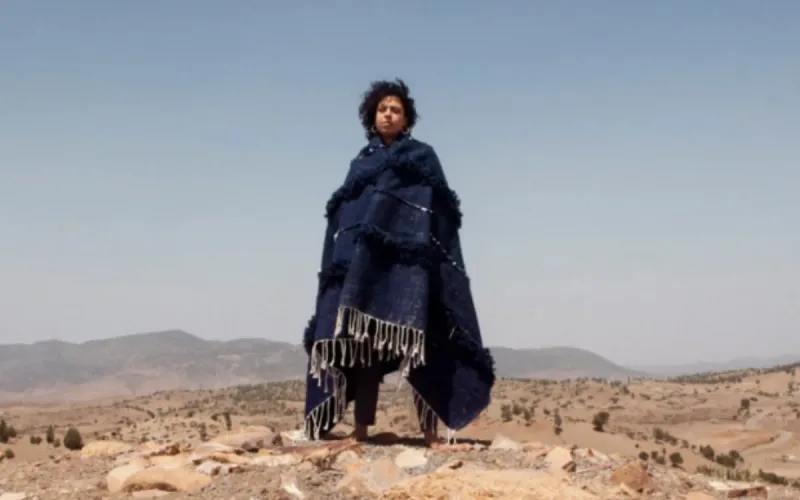
Starting on September 26, Mina Abouzahra will take over a room at Museum Gouda with furniture, rugs and several new creations. Born in 1977 in the Netherlands to Moroccan parents, she is presenting her first solo museum exhibition with “Woven Letters.”
On Bladi.net : In the Netherlands, the “Moroccan of the past” is disappearing
The designer grew up between Moroccan and Dutch cultures. During her studies at Hout- en Meubileringscollege, a school specializing in wood and furniture, she spent time in Morocco and discovered more deeply the country’s craft techniques, colors and traditions. This dual heritage has become the raw material of her work, like that of other Moroccan creators based in the Netherlands.
Since 2013, Mina Abouzahra has run a studio based in Amsterdam and Morocco. In Taznakht, she works with a women’s cooperative that hand-produces rugs and textiles according to Amazigh traditions. The museum also highlights her commitment to fair working conditions and fair pay for the weavers.
Her furniture combines the restraint of Dutch design with the colors and patterns of Moroccan textiles. The Abouzahra X Rietveld chair, for example, reworks a model by Wim Rietveld, son of architect Gerrit Rietveld, upholstered in fabrics woven in Morocco. The piece now belongs to the Rietveld collection at the Centraal Museum in Utrecht.
When a rug becomes a letter
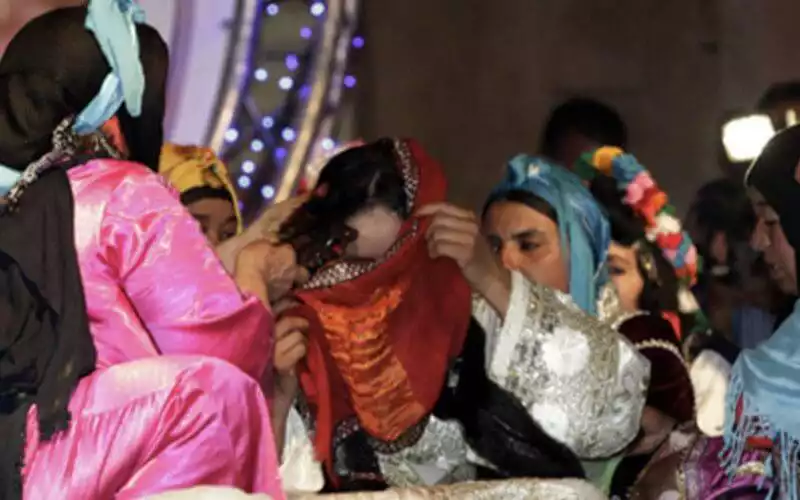
One of the exhibition’s central works is a monumental tapestry titled “Brief,” Dutch for “Letter.” It refers to a Taznakht tradition in which a young Amazigh woman, after leaving her family to marry, weaves a rug during her first year of marriage that tells the story of her new life.
The colors and symbols convey what she cannot say directly. Her father comes to collect the piece and takes it back to her mother, who can read its textile language. The title “Woven Letters” is directly inspired by this story.
The exhibition also features “Blessings,” a piece of furniture created especially for Gouda. Its textile panels are covered with symbols, while its wooden frame has been assembled using Japanese techniques, without glue or nails. The work evokes the piece of furniture that a young Moroccan bride takes with her when she leaves her family home.
Mina Abouzahra is also taking part in “Wonder Walls,” an exhibition on the history of weaving in Gouda. Together with local residents, she designed contemporary cushions that were then made in Taznakht, echoing the old cushions used by Dutch guilds. The project thus connects the city’s textile history with Moroccan craftsmanship. According to the museum, nearly one in ten Gouda residents has roots in the Rif and Amazigh culture.
On Bladi.net : article 82109
“Woven Letters” will be on display until March 29, 2027. Mina Abouzahra is exhibiting, among other works, her Rietveld-inspired chair, the “Blessings” piece of furniture, the “Brief” tapestry and several works in which each thread becomes part of a story.