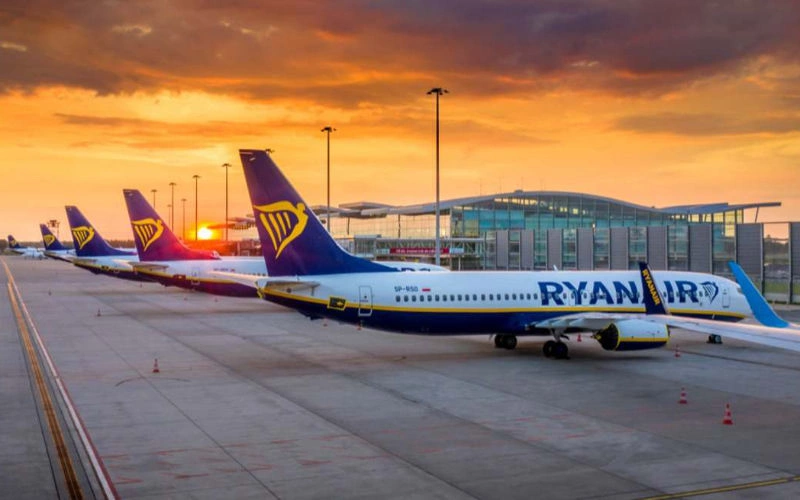
Threatened flights to Morocco: Ryanair's pressure on Charleroi airport
The Ryanair airline threatens to cancel two million seats at the Belgian airport of Charleroi as early as October 2026. This fiscal standoff with the government directly threatens many strategic routes, including flights to Morocco.
The low-cost carrier is increasing the pressure on the Belgian federal government. In a recent press release, the Irish company warns that it will drastically reduce its autumn offering if the new boarding tax is not abolished. This massive cut threatens the connectivity of Wallonia to key destinations like Morocco, while risking the destruction of thousands of local jobs.
On Bladi.net: Threatened flights to Morocco: Ryanair’s incredible winning gambit in Belgium
The management justifies this ultimatum by strict scheduling imperatives. The flight programs for the winter of 2026 and the summer of 2027 will be definitively set as early as next July. The company warns that any subsequent government reassessment would come too late, stressing that "Belgian traffic, tourism and jobs will already be lost".
The dispute is exclusively focused on a national fee recently revalued by the government of Bart De Wever. Initially set at two euros per passenger, this tax has reached five euros and should gradually rise to ten or even eleven euros by 2029.
This offensive targets the federal level after a recent local victory. In February 2026, the Walloon authorities had blocked an additional municipal tax of three euros in Charleroi. This cancellation had allowed Ryanair to maintain its summer program and increase its overall offer by 9%.
On Bladi.net: Good news for Moroccans in Belgium
The company now urges the Prime Minister to act without delay to avoid an economic disaster. "If he does not want to be responsible for the loss of two million seats [...], then he should immediately remove this tax," the company firmly demands, fearing the loss of millions of euros in spin-offs for local communities.