Morocco
Morocco Plans New Real Estate Tax System, Allowing Taxpayer Input
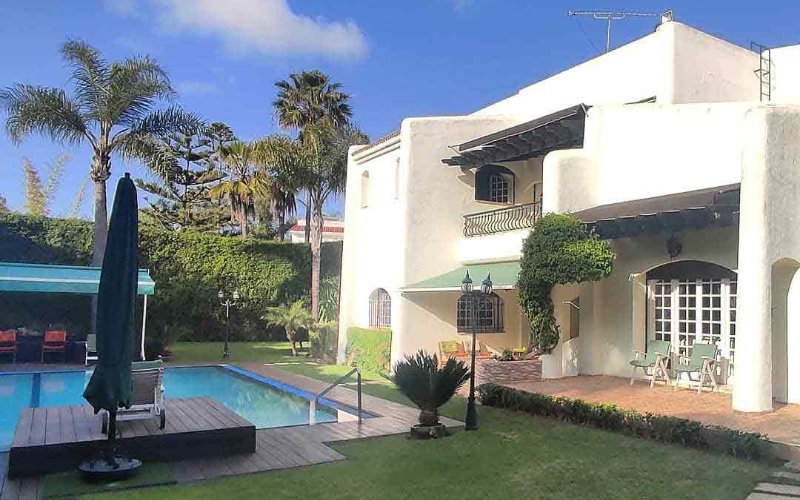
Morocco wants to reinstate the real estate reference. The new version aims to allow taxpayers to propose a value to the tax administration.

Morocco wants to reinstate the real estate reference. The new version aims to allow taxpayers to propose a value to the tax administration.
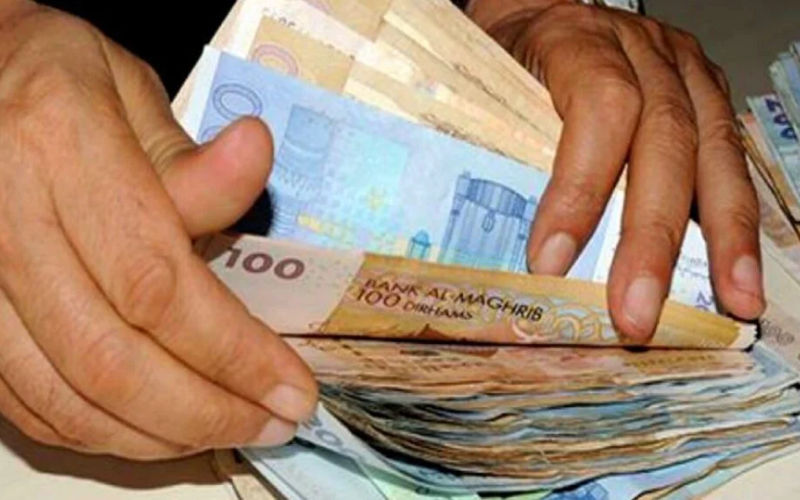
Companies that have suddenly decided to transfer their activities from the regions of Souss-Massa, Drâa-Tafilalet, the Oriental and Tanger-Tétouan-Al Hoceïma to the Rabat-Casablanca axis are in the sights of the Directorate General of Taxes (DGI).

In Morocco, companies have the obligation to file their declaration before the end of March. Defaulting companies are exposed to heavy fines of up to 125,000 dirhams.
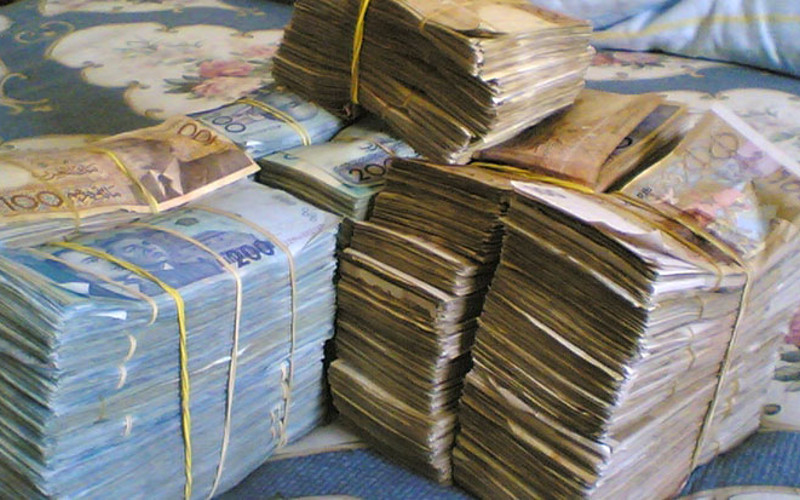
The fight against the informal economy remains the battle horse of the Directorate General of Taxes (DGI). In this sense, it has adopted a new strategy.
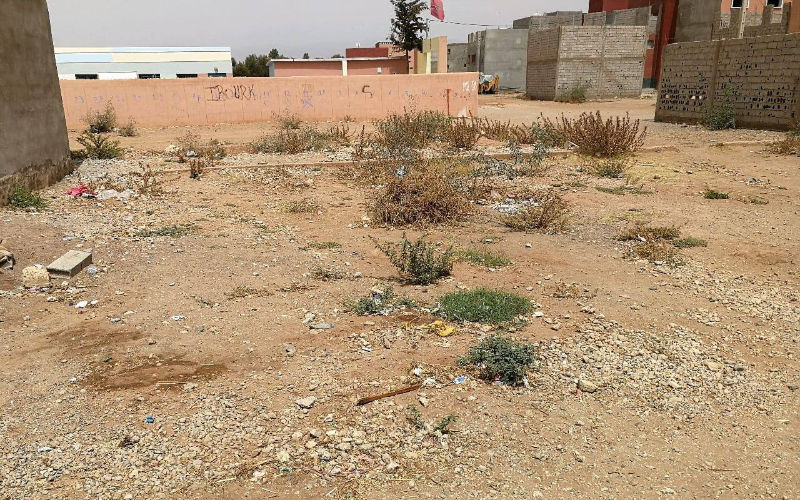
Abdelouafi Laftit, the Minister of the Interior, has given firm instructions to the governors of the provinces and prefectures to initiate the procedures for ascertaining, imposing and collecting the tax on undeveloped urban land.

Moroccan taxpayers, owners of real estate, have only a few days left to declare their rental income and pay their royalties. As of March 1, late payers will face the rigors of the law.

Suspecting cases of fraud, tax inspectors are scrutinizing the tax returns of certain people practicing a liberal profession.
As part of the fight against tax evasion, tax inspectors are focusing on small and medium-sized enterprises (SMEs) located in the Rabat-Casablanca region, which have been in deficit for several years.
In Morocco, several municipal officials suspected of tax fraud, embezzlement and real estate spoliation are the subject of investigations conducted by the competent services of the Ministry of the Interior.
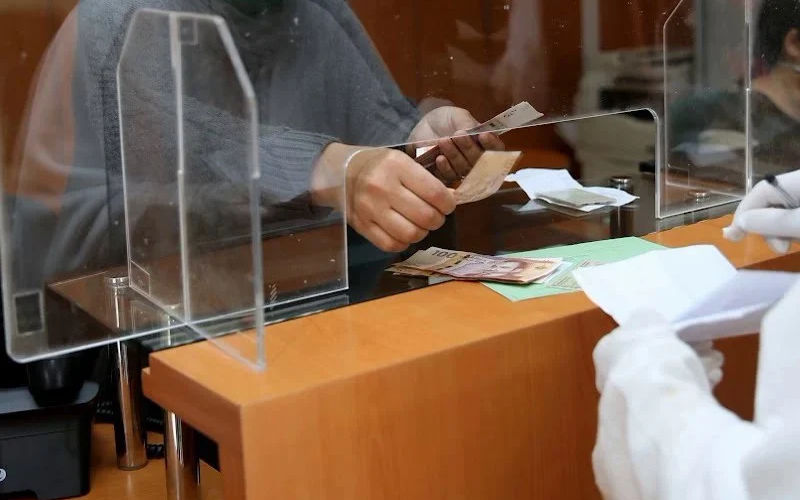
A wind of concern is blowing on the bank branches of Tangier. An unprecedented phenomenon is taking place there: entrepreneurs and merchants, who usually queue to deposit their receipts, are now keeping a low profile.
Despite the tax relief granted to self-employed workers in Morocco, very few of them declare their income, the Director General of Taxes, Younes Idrissi Kaitouni, recently deplored.
In Morocco, while the tax burden is excessive, citizens and businesses do not always perceive the concrete effects of tax levies in the improvement of public services and infrastructure.