Morocco
Morocco Slashes Real Estate Taxes: Expats' Golden Opportunity for 2025 Investment
For the many Moroccans living abroad who dream of investing in real estate in the country, the 2025 tax guide brings some new developments.

For the many Moroccans living abroad who dream of investing in real estate in the country, the 2025 tax guide brings some new developments.

Moroccans residing abroad who choose to spend their retirement in Morocco can benefit from significant tax advantages on their foreign-source pensions. The 2025 Tax Guide published by the General Directorate of Taxes details these incentive measures, under certain conditions.
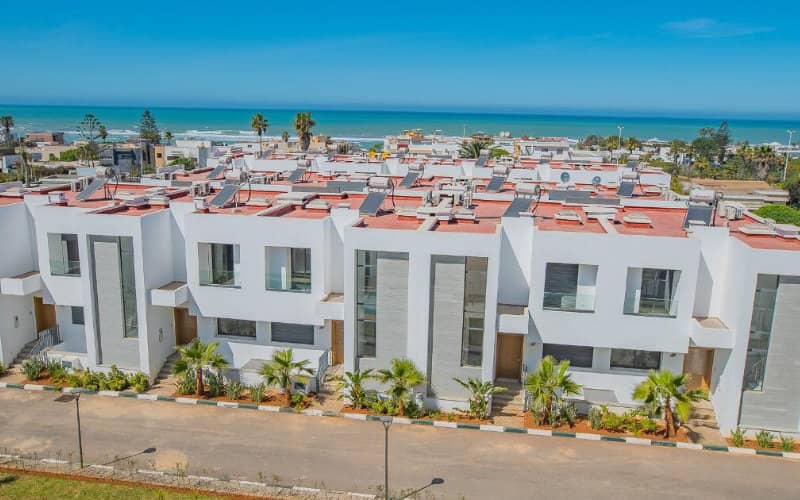
Many Moroccans residing abroad (MRE), owners of a primary or secondary residence in Morocco, are unaware of their tax obligations. These real estate properties are subject to two major taxes: the housing tax and the municipal services tax.
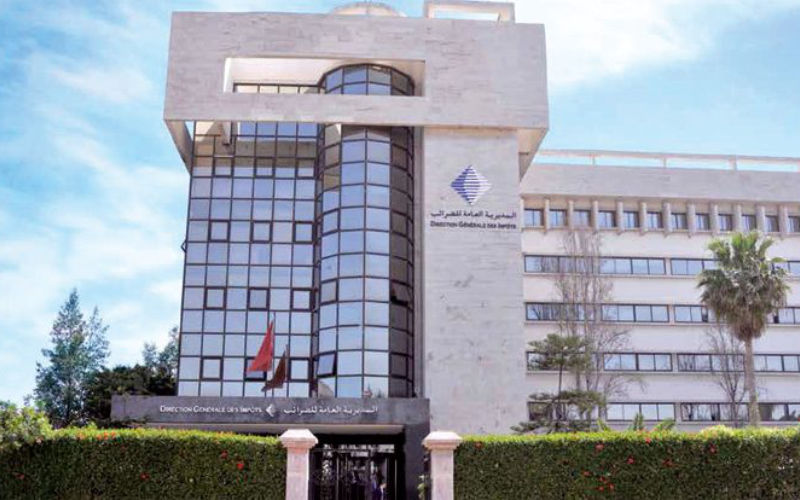
The control and collection agents of the regional tax directorates in the regions of Casablanca-Settat, Tanger-Tétouan-Al Hoceïma and Marrakech-Safi, in coordination with the central services of the Ministry of the Interior, are carrying out field verification campaigns to track down "ghost" companies (ghost companies). These have disappeared from the radar of the tax administration for years, after changing their headquarters without notice and failing to file their tax returns within the legal deadlines.
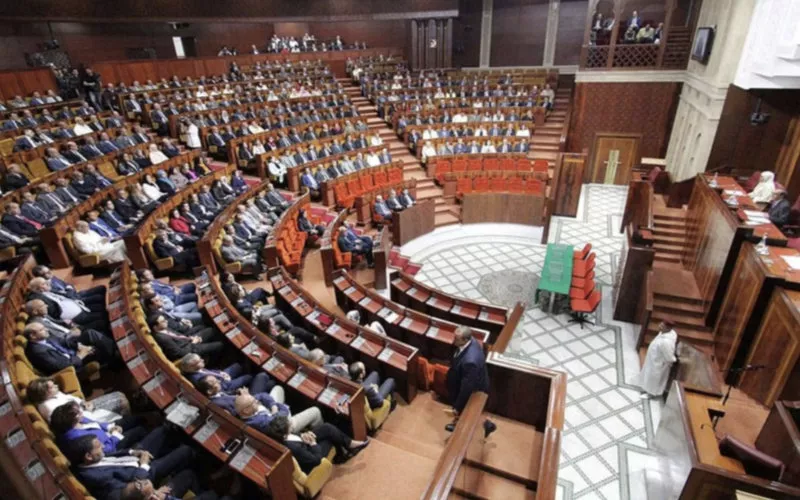
Several parliamentarians are dissatisfied with the General Directorate of Taxes (DGI). It firmly invites them to fulfill their tax obligations, without attempting to obtain exemptions or relief through political intermediaries.
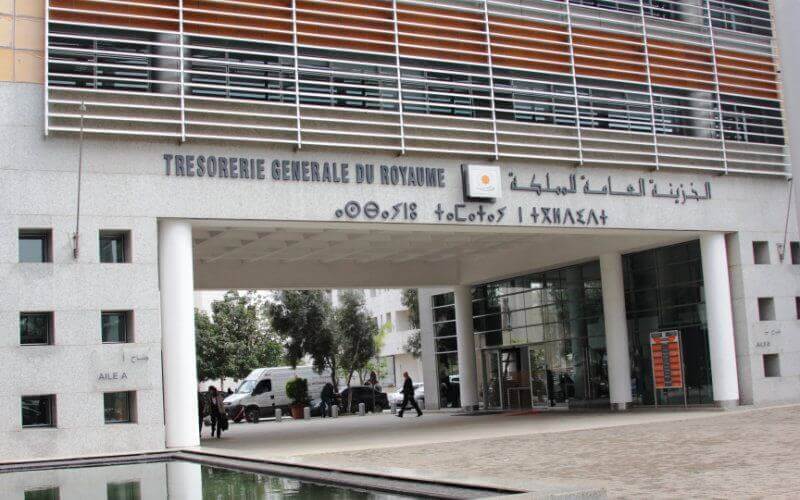
A revolution in local taxation in Morocco. Since June 12, 2025, the management of the residence tax (TH) and the municipal services tax (TSC), previously handled by the General Treasury of the Kingdom (TGR), has been transferred to the General Directorate of Taxes (DGI).
The taxation of a property located in Morocco directly depends on its use. For a Moroccan residing abroad, the tax consequences vary depending on whether the property is used as a main residence, rented out, transferred to a relative, or sold. The Tax Guide details the rules applicable to each situation.

The name of Moroccan international Hakim Ziyech appears on an official list of athletes pursued by the Istanbul tax authorities.
For many Moroccans living abroad, the acquisition of real estate in the country is a life project, a way to keep a foothold on their land of origin. But this dream can quickly turn sour due to a simple but crucial administrative formality. A strict deadline must be respected for any real estate transaction, under penalty of being subject to penalties that can quickly drive up the bill.

In Morocco, the Directorate General of Taxes (DGI) is beginning to reap the fruits of the strengthening of technological capabilities, notably through the SIT module, the advanced exploitation of data, and the legislative evolution resulting from the 2024 Finance Act, which expands the scope of control to the entire tax situation of individuals.
For many Moroccans residing abroad , building a house in their homeland is the culmination of a life project. An ambition that can, however, conceal tax subtleties. A specific contribution, detailed in the tax guide, indeed frames these personal construction projects and could well surprise the owners when it comes time to settle the accounts.

If you are a Moroccan resident abroad and receive rent in Morocco, the tax law imposes certain obligations on you. Here is what the tax guide provides.