Suriname Debates Moroccan Citizenship Model Six Months After President Rejected It
In Suriname, Maisha Neus proposes drawing on Moroccan law to protect dual-nationality footballers living in the Netherlands. Yet President Jennifer Simons had categorically rejected the idea six months earlier, citing national sovereignty.
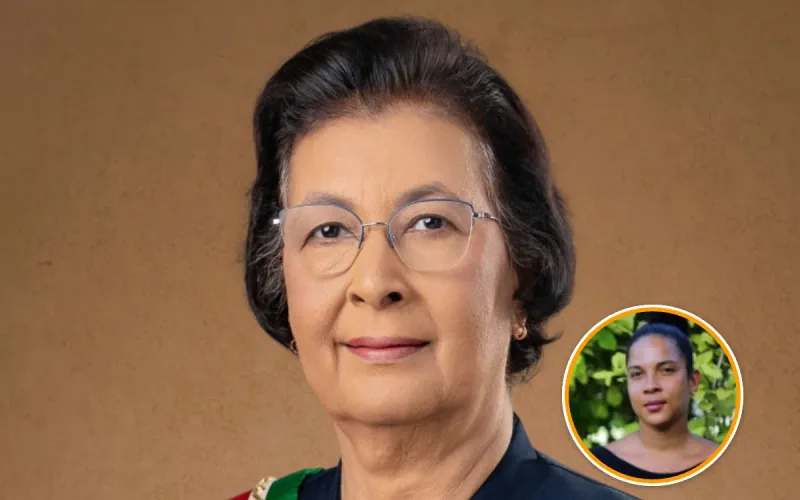
Morocco is at the center of a nationality controversy in Suriname, a small South American country whose citizens include many people living in the Netherlands. In an op-ed published on November 4 by GFC Nieuws, Maisha Neus is urging her country to adopt a system inspired by Moroccan law: automatically granting citizenship at birth to the children of citizens living abroad.
On Bladi.net : Dutch Court Seeks Morocco’s Response on Nationality Claims of Stateless Mother and Daughter
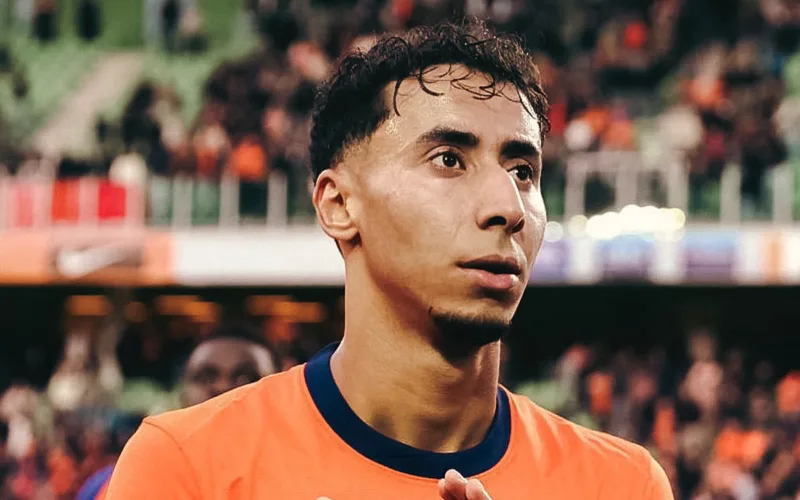
The proposal comes after several months of difficulties for Dutch-Surinamese footballers. Some have lost their Dutch nationality after acquiring Surinamese nationality to represent the national team. Jean-Paul Boëtius, in particular, had to hand in his Dutch passport. Other players, such as Tjaronn Chery and Virgil Misidjan, have taken steps to reclaim their nationality.
On September 8, 2026, Suriname’s Parliament adopted a reform allowing athletes from the diaspora to be granted nationality by presidential decision. But the Dutch Ministry of Justice continues to assess each case individually. According to information gathered by NOS, automatic citizenship under foreign legislation is not, by itself, enough to set aside Dutch rules on loss of nationality.
Moroccan system presented as a solution
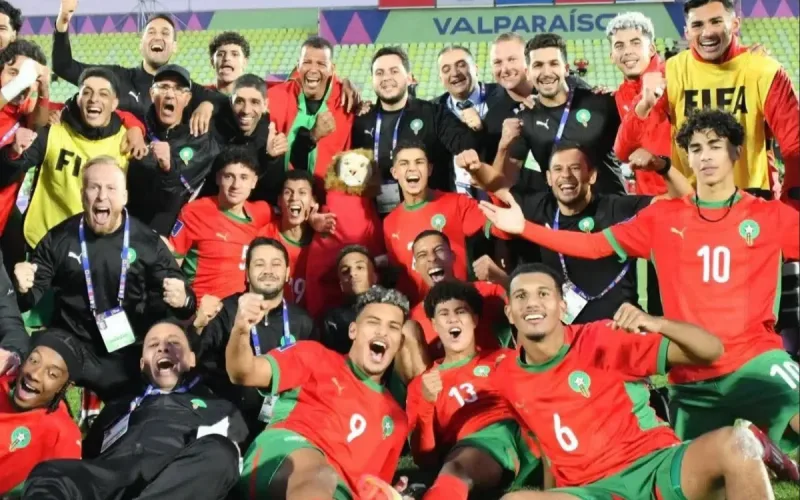
Maisha Neus points to Morocco as an example. Article 6 of the Moroccan Nationality Code provides that a child born to a Moroccan father or mother is Moroccan. The child has this nationality from birth, including when born abroad.
For the author, this mechanism offers a way forward for Suriname. She proposes extending citizenship by descent to people with a Surinamese parent or grandparent, effective from birth. The administration would be responsible for certifying this nationality, while those concerned could renounce it voluntarily. She also wants to distinguish nationality from voting rights tied to residency.
President had dismissed the Moroccan example
On April 19, 2026, Jennifer Simons had, however, voiced categorical opposition to this approach. Asked about the situation of footballers from the diaspora, the Surinamese president called the Moroccan model a “no go.”
According to the statement published by the Suriname presidency, Jennifer Simons believed such a policy could undermine the country’s sovereignty. In particular, she opposed people living abroad having the same rights as citizens born and living in Suriname.
In her new proposal, Maisha Neus directly addresses this objection by suggesting that voting rights be tied to residency. She also calls for formal consultations with Dutch authorities, changes to bilateral agreements on nationality and legal assistance for footballers who have already lost their Dutch passports.