Stem cells: how the Moroccan community in Belgium has changed the game
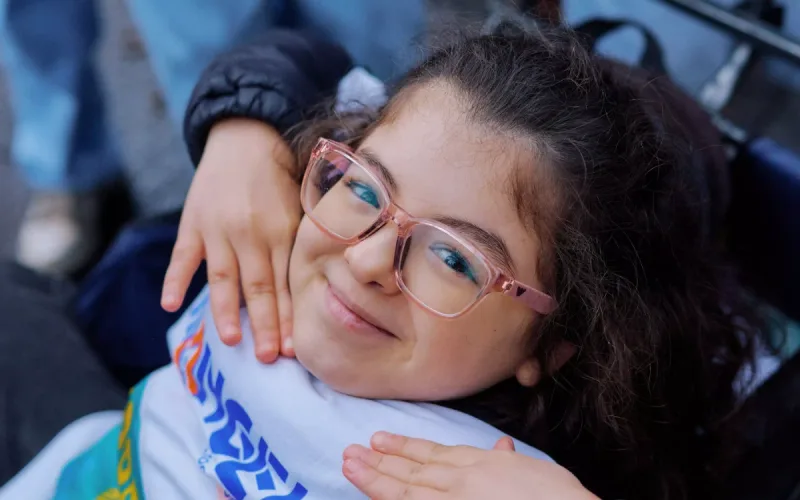
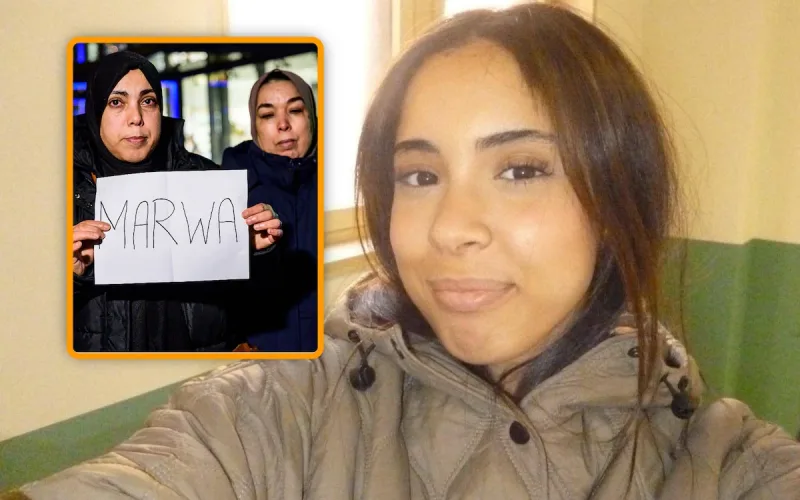
The number of stem cell donor candidates reached a historic record in Flanders last year. There is a sharp increase in registrations from the Moroccan and Turkish communities thanks to appeals made by two patients, Hafsa and Berrin. The Red Cross of Flanders recorded 7,360 new candidates, four times more than in 2024.
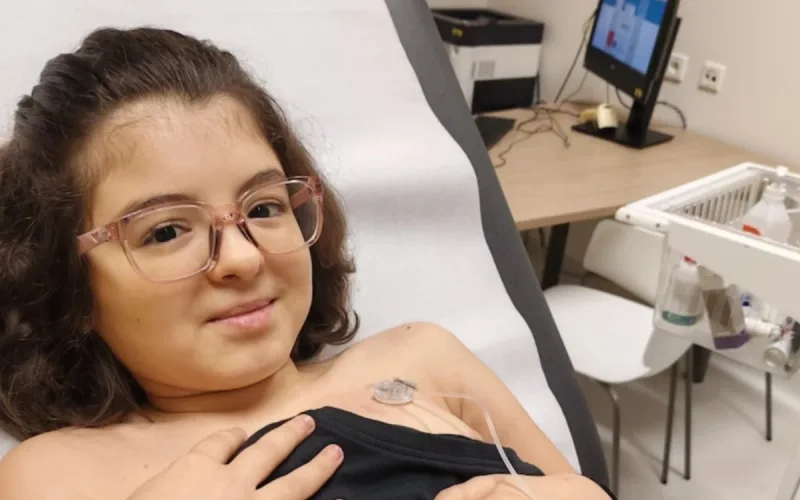
The year 2025 marked a turning point for the national registry with the arrival of nearly 3,000 new volunteers of Moroccan and Turkish origin. This massive increase helps diversify the database to help patients with non-European origins find a compatible profile. Vincent Verbeecke, from the Red Cross of Flanders, explains that "We can speak of a Berrin effect and a Hafsa effect" to translate this resounding success. He specifies that "Thus, we can also give a chance to people with origins outside Europe to find a good stem cell donor."
Finding a compatible donor remains a complex medical challenge, as tissue types must match perfectly. Although the probabilities are higher within the family, the international registry is the main recourse in the absence of a compatible close relative. In Belgium, 333 transplants were performed last year through this registry, but 540 patients are still awaiting a healthy donor. These interventions are vital to treat serious illnesses such as leukemia or beta-thalassemia by replacing the diseased cells.
The Red Cross now wishes these registrations to become systematic so that the database is a faithful reflection of society. According to Vincent Verbeecke, "The great challenge now is to systematically obtain many stem cell donor candidates" spontaneously. People wishing to get involved can register on the official website after a blood test and a medical interview. Once registered, the volunteers join an international database and can be called upon at any time to save a life.