Spanish Jurists Expelled from Western Sahara by Moroccan Authorities
The Moroccan authorities expelled on Saturday from the Sahara a delegation of Spanish jurists who wished to inquire about the human rights situation in this territory under Moroccan sovereignty.

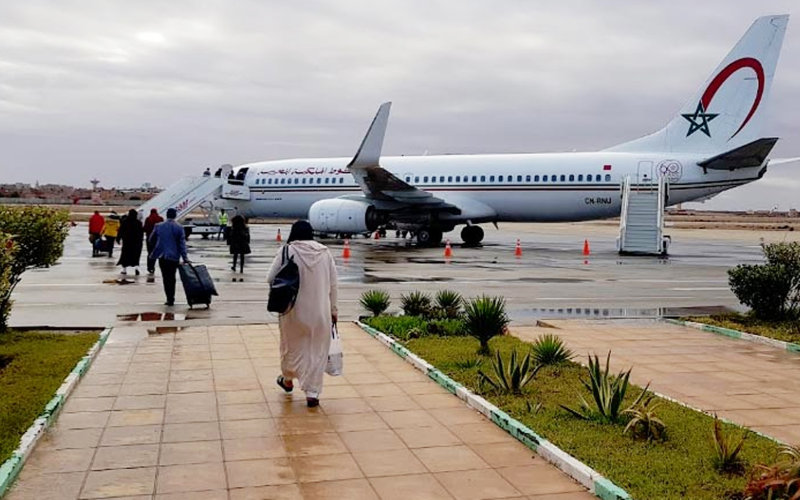
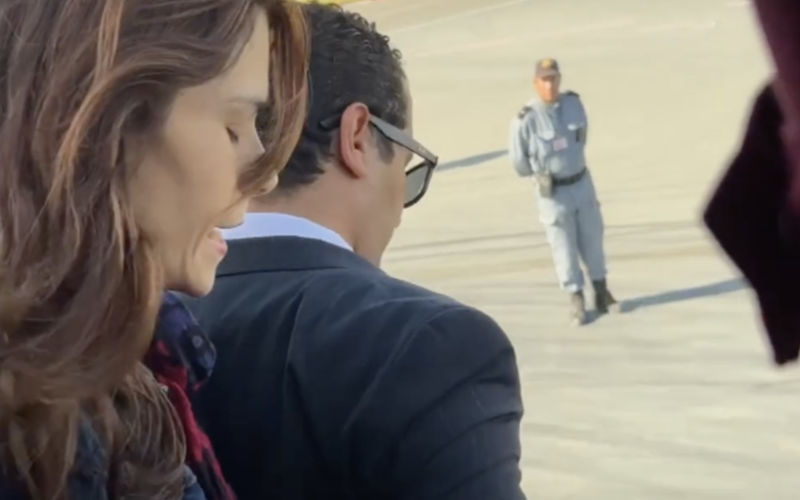
Lawyers Dolores Travieso Darias and Flora Moreno Ramos, as well as technician Silvestre Suárez Fernández, were prevented from disembarking the plane that had transported them to Laâyoune. While the other passengers were leaving the aircraft, several plainclothes men boarded and, without giving any explanation, ordered the three Spaniards not to disembark, explained Inés Miranda Navarro, a member of the International Association of Jurists for Western Sahara (AIJUWS), to EFE, in the same capacity as the three expelled.
A video released by pro-Sahrawi associations shows two agents of the city of Laâyoune preventing the women jurists from disembarking the plane. After about an hour of exchanges with the Moroccan agents, who refused to take note of the mission order and documents of the members of the Spanish delegation, the latter were repatriated to the Canary Islands on the same plane. The Spanish jurists had been tasked with touching on the situation of Sahrawi "political prisoners" in Moroccan prisons.
Inés Miranda Navarro condemned this reaction of the Moroccan authorities, considering that it "violates international law and the freedom of movement of persons, as well as the Geneva Conventions applicable on the territory of Western Sahara". For the moment, no official Moroccan source has made a statement on this new expulsion. On March 2, Morocco had expelled from Dakhla, in the Moroccan Sahara, an official of the Spanish General Confederation of Labor (CGT).
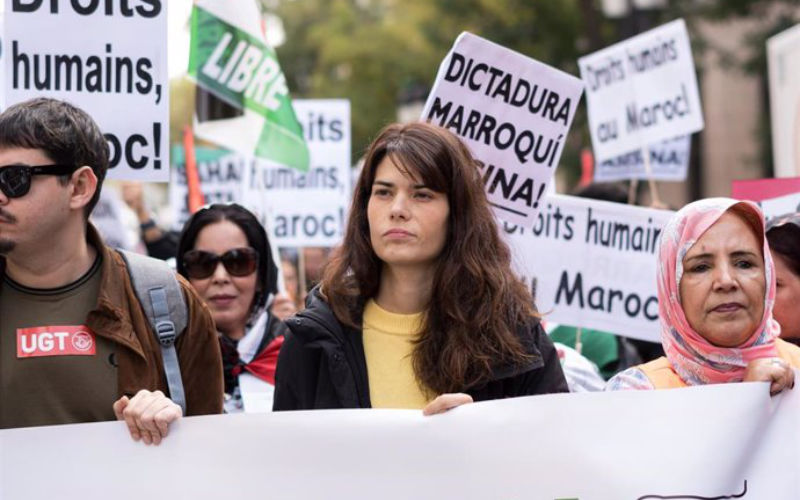
On February 20, Morocco had banned access to Laâyoune to three European deputies including the Spaniard Isa Serra, the Finn Jussi Saramo and the Portuguese Catarina Martins. At the end of January, the kingdom had also expelled three members of the Basque Parliament who had planned to meet in Laâyoune with human rights associations.