Spanish buyers scramble for Moroccan peppers as harvests fall short and prices double
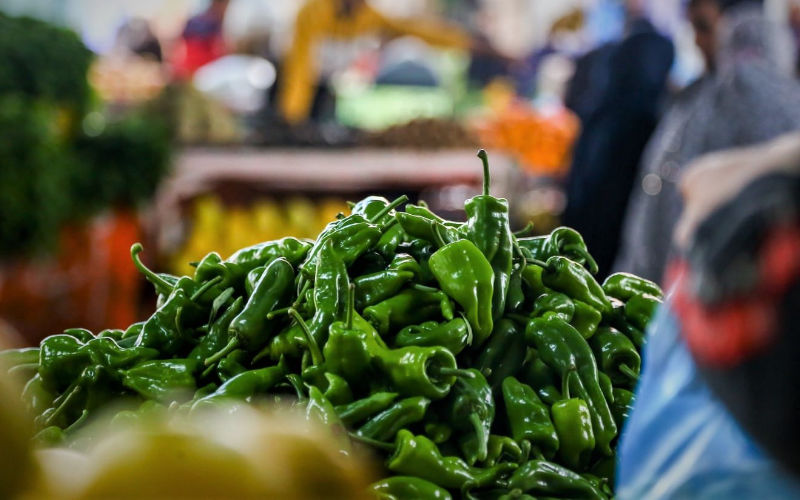
Moroccan peppers are in particularly high demand in Europe, notably Spain, while available supplies remain limited. According to a producer in Souss-Massa, farmgate prices have doubled in a year, and its farms are currently harvesting only 35% of their usual volumes.
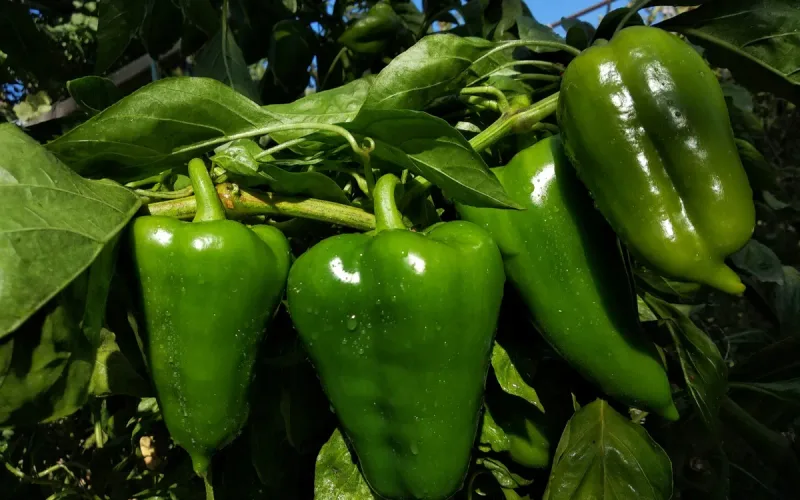
At the end of October, Moroccan peppers are trading at twice the price they fetched a year earlier, directly at the farm gate. European buyers, particularly Spanish ones, are placing more and more orders, but producers are struggling to supply the quantities requested.
On Bladi.net : Spanish Pepper Growers Pull Crops as Some Explore Moving Production to Morocco
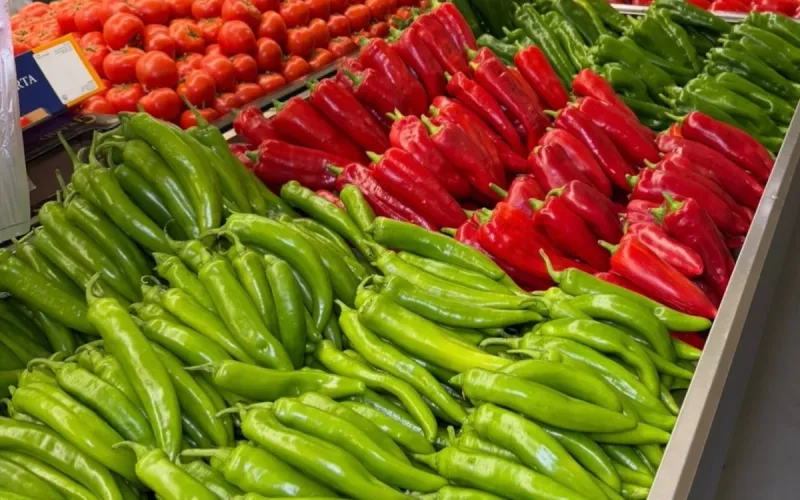
“European demand, and Spanish demand in particular, is exceptionally strong for this time of year,” says Obeida Mansour, head of Universal Peppers, a company that grows peppers in Morocco and Spain. Speaking to the agricultural news outlet FreshPlaza, he says the demand is mainly for Kapia varieties and square peppers.
The situation is partly due to difficulties on the other side of the Mediterranean. In Spain, thrips infestations, caused by tiny pest insects, have led to major production losses. The company experienced this firsthand at a partner farm in Spain, where replanting was necessary.
Spain already relies heavily on Moroccan peppers for its imports. In the first half of 2026, nearly 95% of the peppers it bought from abroad came from Morocco, amounting to 79 million kilos.
Orders pour in, but harvests fall short in Morocco
The difficulties do not stop at the Spanish border. In Souss-Massa, the company itself is facing a significant drop in its harvests.
“At our own farms and those of our contract growers, we are harvesting only 35% of our usual volumes at this point in the season,” says Obeida Mansour. He attributes the situation to unsuitable temperatures and says it affects farms working with his company.
The heat makes it harder to protect crops from pests, while producers must comply with European limits on pesticide residues.
Demand is not coming from Europe alone. Orders from Mauritania and Senegal are adding to those from Spanish customers and other European buyers, increasing pressure on available supplies.
The company head expects conditions to improve quickly, however. He believes his farms could return to their usual capacity within two weeks. One uncertainty remains for the rest of the season: whether thrips infestations will persist in Spanish greenhouses, which could keep demand for Moroccan peppers high.