Spain is a racist country built on the denial of its Arab past
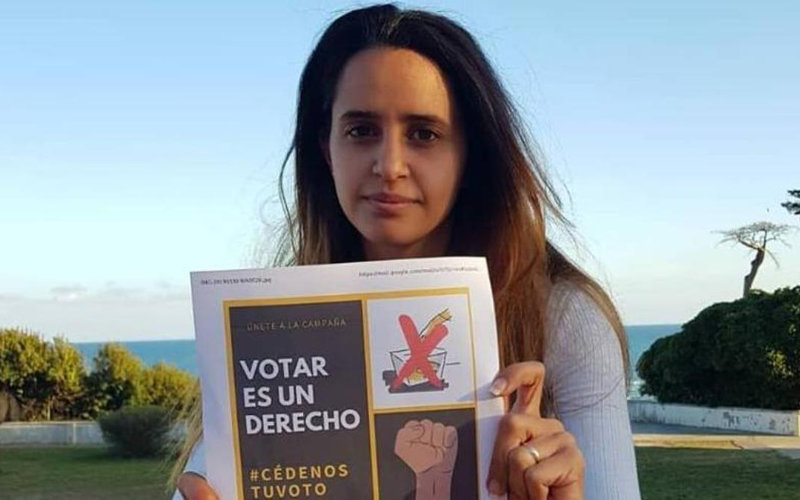
Jurist and feminist activist Noor Ammar Lamarty delivers an uncompromising analysis of Spanish society. In an interview with La Vanguardia, the native of Tangier denounces a structural "Moroccophobia", criticizes the instrumentalization of the veil, and points to political hypocrisy towards migrant women.
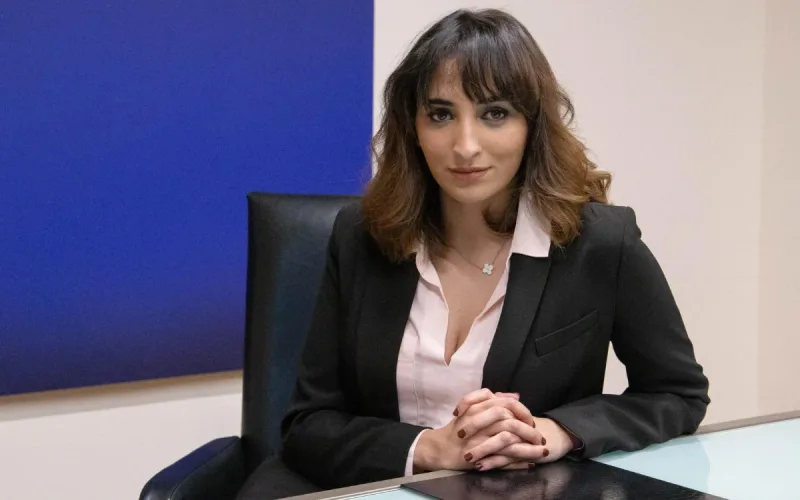
It is a voice that disturbs by its clarity. Arrived in Spain at the age of 18 for her law studies, Noor Ammar Lamarty refuses to be the exception to the rule. For her, Spain suffers from a deep evil: racism built on historical amnesia. "Spain is a racist country because it is built on the denial of its past," she affirms, recalling that the Spanish identity was forged in opposition to the "Moor", denying centuries of miscegenation.
This "Moroccophobia", distinct from racism towards blacks, still permeates mentalities. Even as an educated, unveiled woman speaking perfect Spanish, Noor faces an implicit racism: that of exceptionalism. "Saying that you are an exception is a form of racism," she points out, refusing to be used as a successful integration alibi.
The veil, the Left, and the "Care" trap
On the sensitive issue of the veil, the activist calls for moving beyond simplistic debates. While she acknowledges that it can be a tool of patriarchal control, she rejects the infantilization of Muslim women. "The challenge of feminism is to stop mothering women and recognize them as political subjects," she insists.
Her assessment is just as severe regarding the care economy. For her, the "care" sector in Spain relies solely on the exploitation of often overqualified migrant women, trapped in domestic jobs because Spanish men do not assume their share and the state turns a blind eye.
Noor Ammar Lamarty also does not spare her own political family. According to her, the left has "paved the way for the right" by dodging debates on migration and identity, leaving the field open to xenophobic discourses. "There is nothing more racist than saying that I only have the right to live in your country if I serve you," she concludes, pleading for the children of immigration to be seen as future artists or historians, and not just as a simple workforce.